Panic Has A Deadline. Debasement Doesn't Need One.

A tweet about AI debt markets wiped billions off a handful of stocks in minutes this week. An IPO filing warned that its own product could pose a risk to humanity. Both stories felt enormous for about a day. Neither one touched the number that has been quietly cutting your paycheck's real value for over fifty years, and that number never needed a single headline to keep moving.
THE PANICS THAT MAKE THE NEWS ARE THE ONES THAT GET CAUGHT
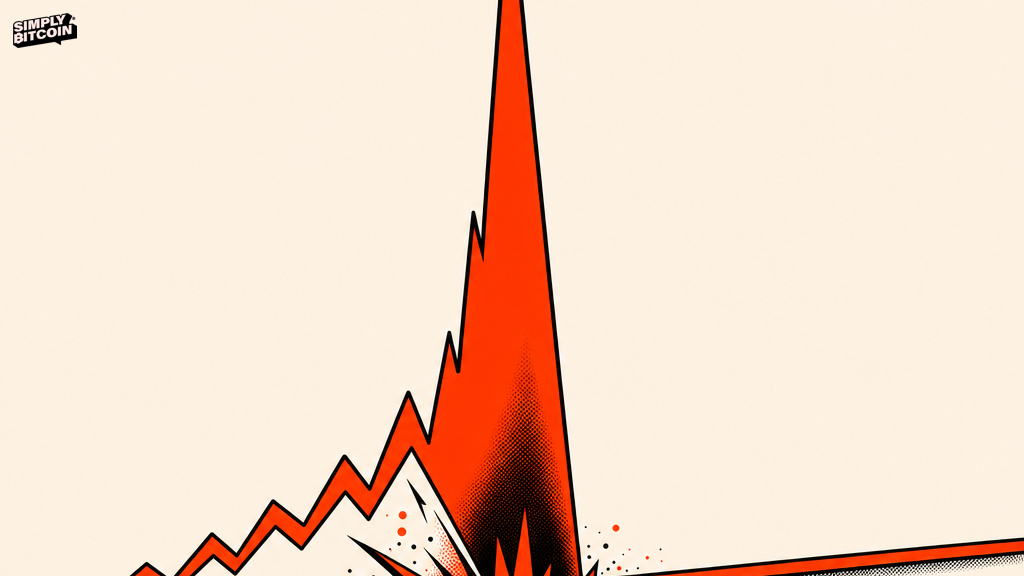
Elon Musk posted that debt markets had shut off for AI cloud companies and predicted mass failures across the sector. Shares dropped immediately. Shares of Nebius, CoreWeave, and Iren fell early Monday, but rebounded and turned positive later in the day. The panic was real enough to move money and short-lived enough to reverse before the close.
The same week, an AI lab's IPO filing disclosed that its technology could pose a catastrophic risk to people. It read like a warning nobody expected a company selling that exact technology to volunteer. But few, if any, companies have issued warnings suggesting their technology could cause potential human extinction, which is exactly why it traveled so far so fast. A disclosure that unusual gets fact checked, argued over, and contextualized within hours, because enough people are watching it closely enough to catch it if it's wrong or overstated.
That is the pattern underneath every viral panic. It moves fast because it is loud, and because it is loud, it gets checked fast. A claim that spikes hard enough to trend also spikes hard enough to attract someone who disagrees, has the data, or was simply in the room. The correction usually arrives within the same news cycle that created the fear.
THE ONE THAT NEVER MAKES THE NEWS IS THE ONE STILL RUNNING
Now compare that to a threat that never spikes. In 1971, the median household income was $9,030, or 220 ounces of gold. In 2025, it was $87,460, or just 25 ounces of gold. Your paycheck went up 10x. Measured in gold, it fell 88%. No single year of that stretch produced a headline. No year felt like an emergency. The loss happened in increments too small to notice and too slow to panic over, which is precisely how it survived five decades without anyone organizing against it.
The mechanism behind that slide has a name and a recent example. The 26.9% rate of year-over-year growth in February 2021 easily exceeds the rates of growth during either the quantitative easing programs of 2008 to 2015 or the inflations of the 1970s and 1980s. Even that record expansion of the money supply didn't trigger the kind of panic a neocloud tweet manages in an afternoon, because it showed up in bank statements and spreadsheets, not in a single viral number anyone could point to and argue about in real time.
A CURRENCY YOU CAN TURN DOWN ONE NOTCH AT A TIME
This is the actual design feature, not a side effect. A currency whose supply a central bank can expand works exactly like a dial. Nobody has to cross a visible line to make it move. There is no threshold that triggers an alarm, no single vote the public gets to react to, no moment where the number jumps enough to break into a trending topic. The dial turns in increments small enough that each one, taken alone, looks like nothing.
That is what makes it durable as a method and dangerous as a system. A threat you can see coming gets resisted. A threat that arrives one percent at a time, year after year, gets absorbed into the cost of living and renamed normal. Nobody votes against a number too small to notice, and by the time the increments add up to something you can measure against gold or against your own rent, the people who turned the dial have moved on to turning it again.
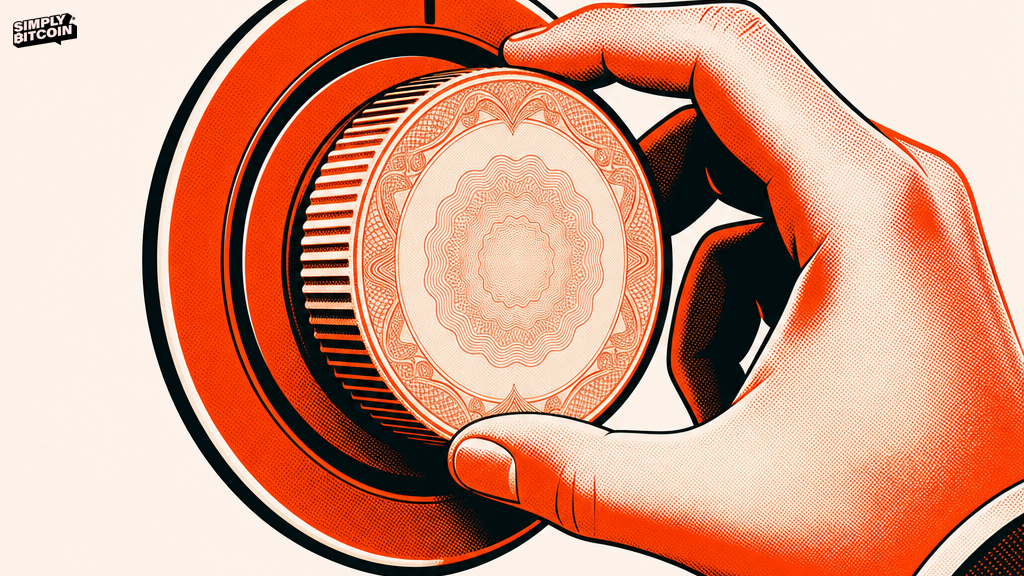
TWENTY-ONE MILLION IS THE NOTCH THAT DOESN'T EXIST
Bitcoin removes the dial entirely. There is no committee that can authorize one more percentage point of supply to cover a bad quarter, no emergency session that expands the number to fund a war or a bailout, no increment small enough to slip through unnoticed because there is no mechanism left to slip anything through. The cap sits at 21 million, and it does not bend to who is panicking this week or who benefits from the panic.
The second half of that design matters just as much as the cap itself. You do not have to trust an official's assurance that the supply held. Anyone running a node can check it directly, in minutes, without asking permission. That is the actual difference between a promise and a fact: a promise needs you to believe the person making it, and a fact just sits there waiting to be verified. Gold solved the supply problem the hard way, through scarcity nobody could audit in real time. Bitcoin solved it by making the audit instant and available to anyone who wants to run it.
THE DIFFERENCE BETWEEN BEING SCARED AND BEING AWARE
A viral panic and a slow debasement ask for different things from you. The panic wants a reaction today, usually a sale, usually at the worst possible moment, and it rewards you for noticing it by giving you a chance to be wrong in public before the correction lands. The debasement wants nothing from you at all. It only needs you to keep measuring your life in the unit that's quietly shrinking and never check it against one that isn't.
The fast fear fades because enough people are watching it to catch it. The slow one kept running for fifty years precisely because almost nobody was watching the slope, only the spikes. Holding something whose supply can't be nudged by committee and can be checked by anyone isn't a hedge against this week's headline. It's an exit from the mechanism that made five decades of headlines unnecessary in the first place.


Daily Bitcoin news, analysis and interviews. New shows every single day.
Subscribe on YouTube