Austerity Needs A Majority. Inflation Needs None.
France owes 3.6 trillion euros, equal to 119 percent of its GDP, and last week bond investors decided that number is no longer tolerable. The premium demanded to hold French debt over German debt widened to its widest point since the 2011 to 2012 euro crisis, and France's 10 year yield climbed to levels last seen in 2002. Jamie Dimon, who runs the largest bank in America, did not call it a France problem. He called it a warning to governments.
"It's a warning to governments. We can't borrow endlessly and spend endlessly."
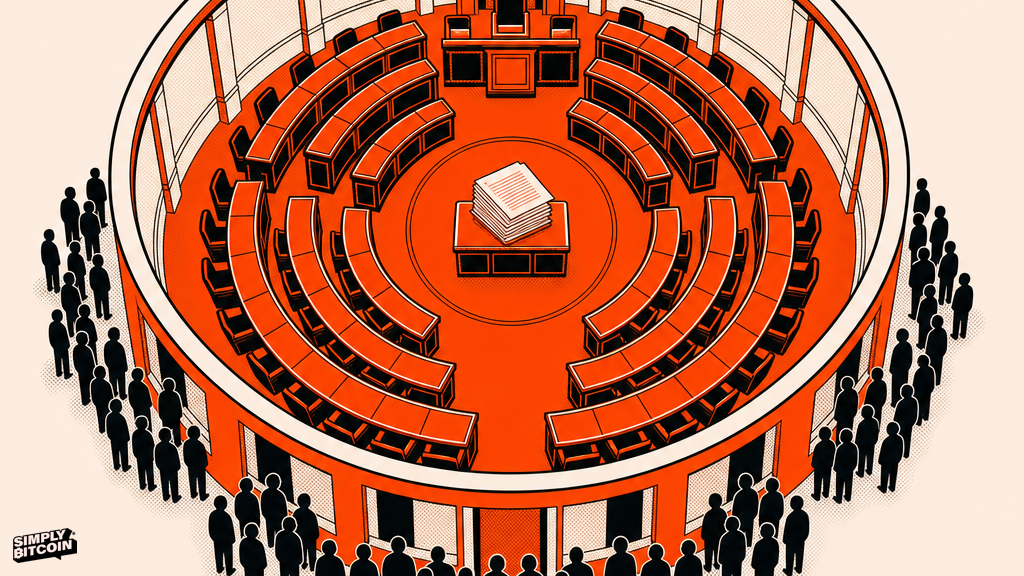
That quote is the whole story, but not for the reason most people think. The usual read is that politicians are reckless and need discipline. The real problem is narrower and worse: the fix for a debt spiral is a vote, and the vote that would fix it almost never happens, anywhere, regardless of who is in charge.
THE FIX THAT NEVER PASSES
Ask what actually stops a government's debt spiral and the list is short. Cut spending. Raise taxes. Reform pensions. Reduce benefits. Every item on that list has the same shape: a specific, identifiable person loses something concrete, starting now, so that a crisis years away might not happen.
France's government proposed roughly 54 billion euros in savings for its 2027 budget. Students and public workers are in the streets over it. That is not a uniquely French reaction. It is the only reaction a fix like that can produce, because the people asked to carry the loss can see it, and the crisis it prevents is still abstract.
A pension reform that saves a budget in 2032 asks a worker in 2026 to accept a smaller check today, on a promise about a future most voters discount heavily. A tax increase works the same way in reverse. The pain is immediate and addressed to a name. The benefit is diffuse, delayed, and addressed to nobody in particular. No electorate reliably chooses the first over the second until the choice is made for them.
WHY THE VOTE LOSES TO THE CLOCK
This is not a character flaw unique to France's politics. It is structural to any government whose debt is denominated in a currency it controls, financed by citizens it has to keep winning elections from. Peter Schiff, who has spent years arguing against Bitcoin, still describes the identical mechanism: more debt means a government becomes less creditworthy, lenders demand more interest to compensate for the risk of inflation and the risk of default, and both of those outcomes make the next round of borrowing more expensive still.
The United States already spends roughly 1.3 trillion dollars a year on interest, against a budget deficit near 2.5 trillion. Japan's debt sits at 203 percent of GDP. Italy's sits near 138 percent. China's official figure of 75 percent understates a number closer to 126 percent once local financing vehicles are counted. None of these governments lack the arithmetic to see the spiral coming. What they lack is a electorate willing to vote for the cut that stops it before the bond market forces the issue.
THE OPTION THAT NEEDS NO PERMISSION
Once the vote that fixes the problem keeps failing to pass, only two outcomes remain, and both share one feature the first option didn't have: neither requires a majority. A government can default, which happens the moment it simply can't pay. Or it can inflate, which happens the moment a central bank finances the deficit the parliament wouldn't close with spending cuts.
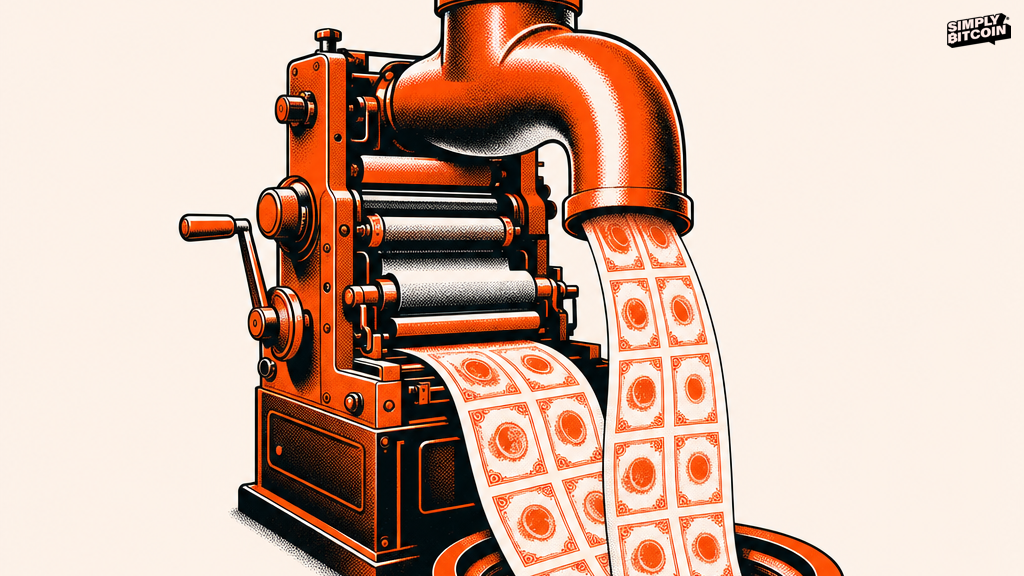
Default announces itself and ends the game quickly, which is why most developed governments avoid it. Inflation does not announce itself. It arrives as a slightly higher number on everything you buy, a currency that buys a little less each year, a savings account that quietly loses ground against rent and groceries. Nobody has to vote for it, campaign on it, or defend it in a debate. It just happens, which is precisely why it is the path every debt-spiraling government eventually takes.
THE ASSET WITH NO BALLOT BOX
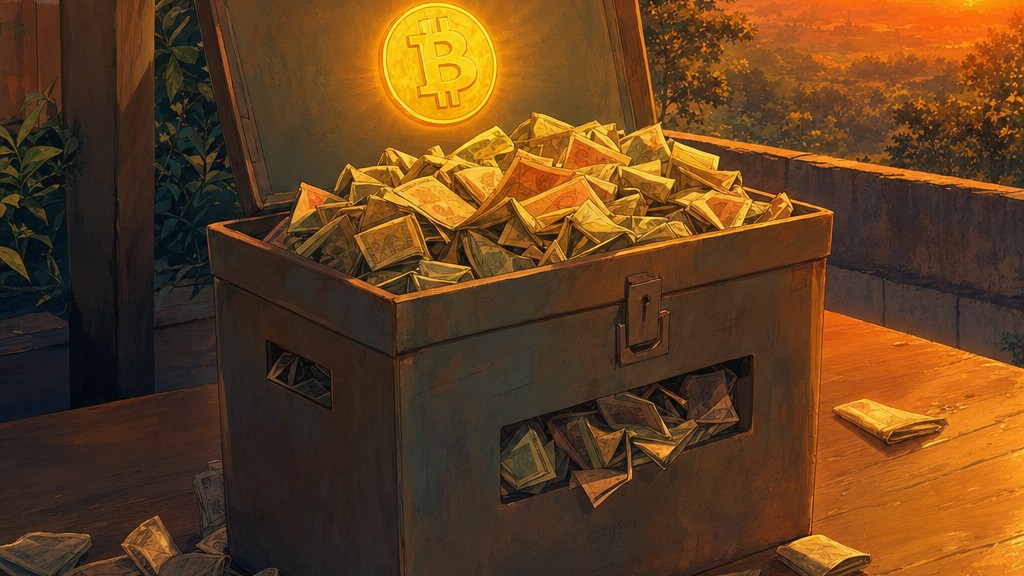
This is where the search for a way out lands on Bitcoin, and it has nothing to do with Bitcoin solving France's budget, or America's, or Japan's. Bitcoin's 21 million coin cap was never put up for a vote, cannot be amended by a finance ministry under pressure, and does not bend when a parliament is too fragmented to pass a budget. No president, no central bank committee, and no coalition government can expand the supply to buy itself another decade of delay.
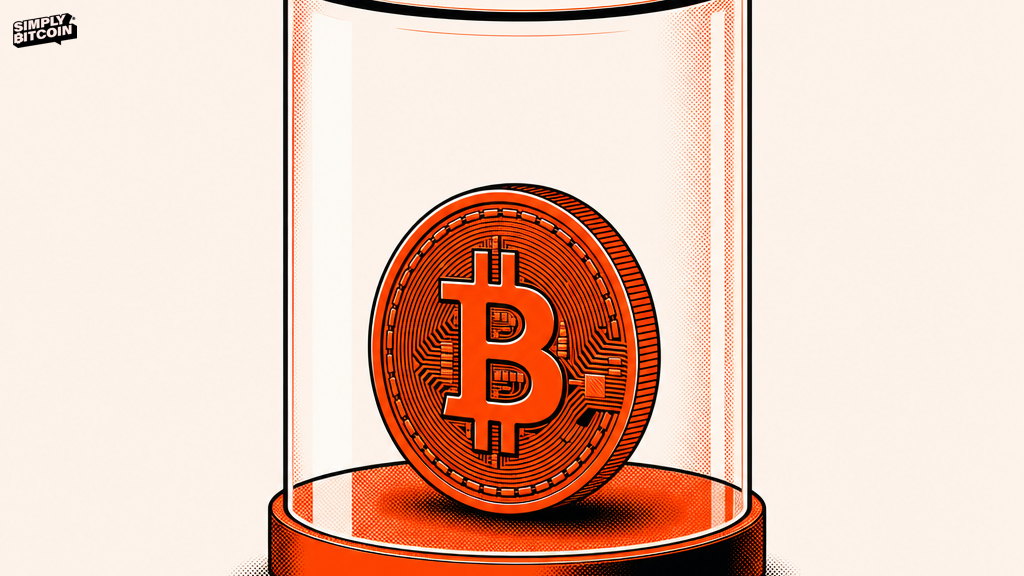
That is the actual contrast. A currency controlled by the same body that needs votes to govern will always carry the possibility that the votes fail and the printing happens instead. An asset whose supply was fixed before any of this started carries no such possibility, because there is no committee to lobby and no election to win. You are not betting that Bitcoin fixes the debt. You are betting that the vote keeps failing, because it almost always does, and you want to be holding something the failure cannot reach.
THE QUESTION FRANCE IS ACTUALLY ASKING
France is not an isolated warning. It is the first government forced to answer a question every heavily indebted state is quietly facing: will the cut pass, or will the currency absorb the difference instead. The riots in the streets are the answer in real time. The cut is not passing. It rarely does.
The next government to hit this wall will not be the last, and the printing that follows will not need anyone's permission either. The only decision left to you is which side of that mechanism your savings sit on.