Bitcoin Rebuilds The Relationship Between Buyer And Seller
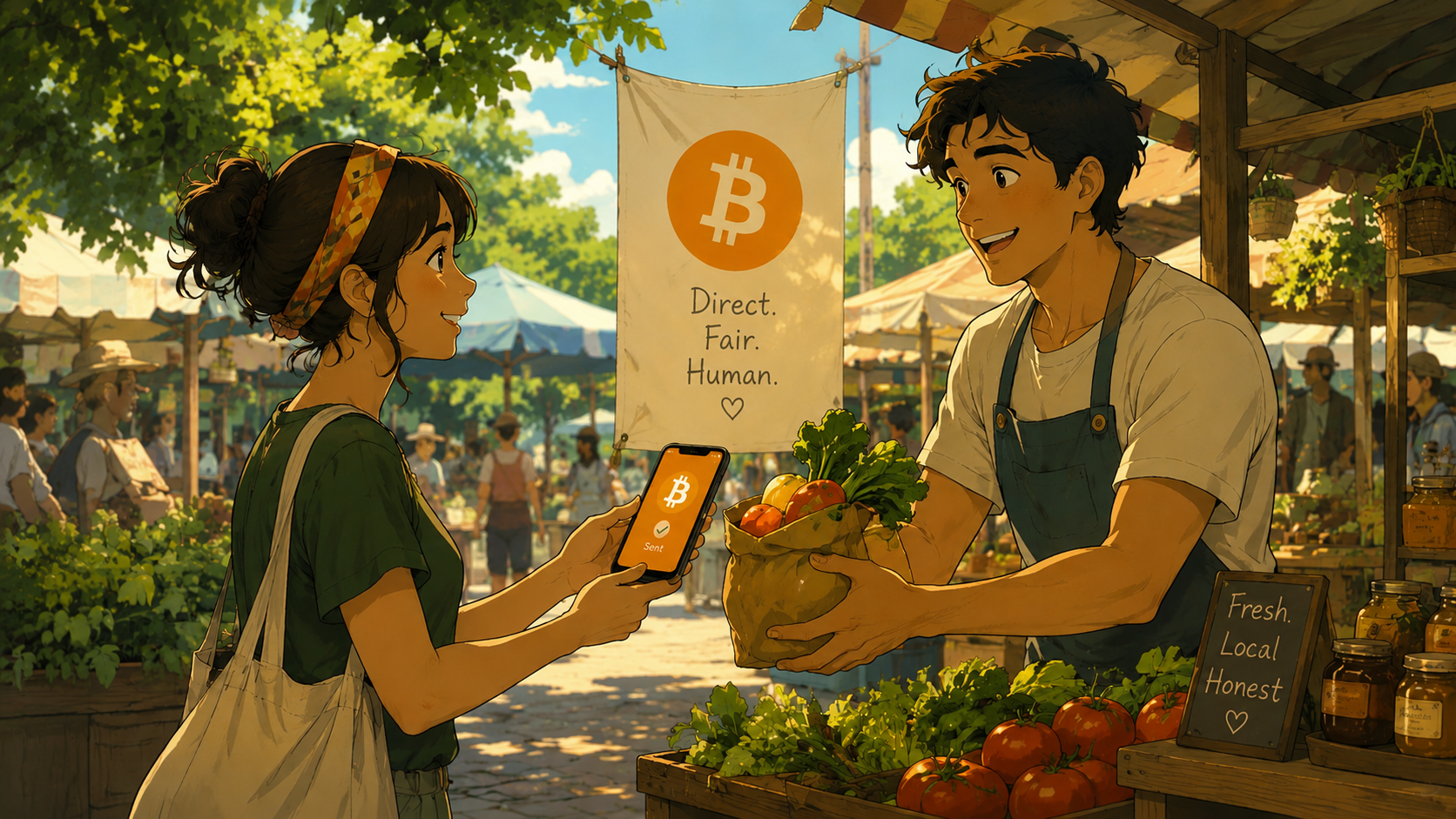
Every sale is a relationship, and the modern payment system wedges itself in the middle.
Merchants feel this every day. A customer pays, the terminal chirps, the receipt prints, and then the money begins its journey through processors, card networks, settlement windows, fraud departments, batch delays, reserve policies, and fees that appear with the confidence of gravity.
Bitcoin changes the shape of that moment.
When a customer pays in Bitcoin, value moves from one person to another across an open monetary network. The merchant receives final settlement, the customer pays with money they actually control, and the relationship gets cleaner.
That is bigger than payment acceptance.
That is a better commercial culture.
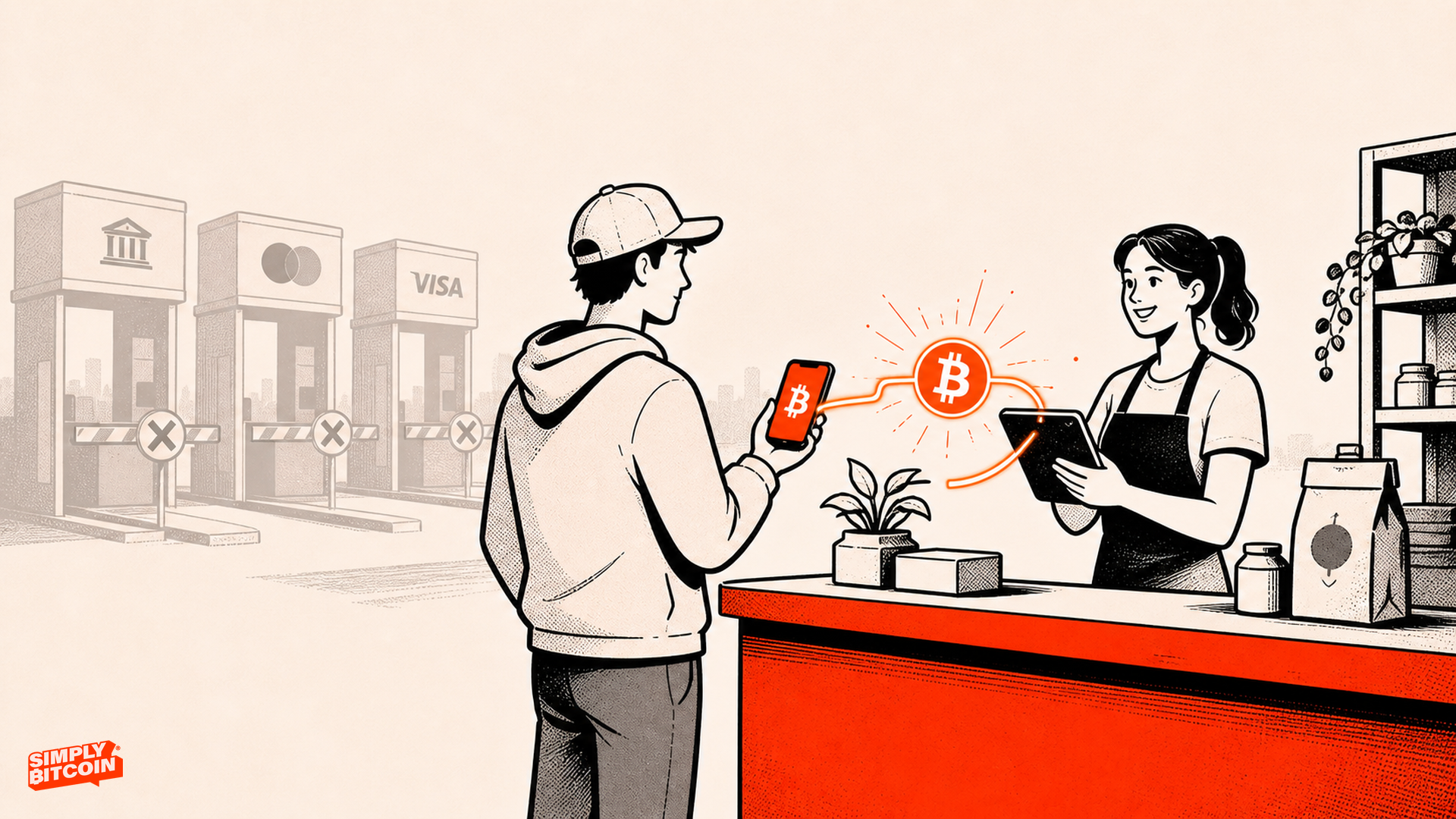
Direct Money Builds Direct Trust
Most businesses were trained to treat payments as plumbing, something boring and outsourced. Swipe, tap, settle later, pay the fee, move on.
Bitcoin makes the payment layer visible again because it makes the relationship visible again.
A Bitcoin payment says the customer is bringing final money to the table. The merchant is accepting settlement on a network that does not need a bank holiday, a card issuer, or a fraud algorithm to approve the moment. That changes the weight of the transaction.
Final settlement gives the merchant confidence. Self-sovereign payment gives the customer dignity. Both sides stand closer to the actual exchange, which is exactly where commerce belongs.
The best businesses understand this early. They know trust is built through clarity, and Bitcoin is the clearest monetary instrument the world has ever had.
Fees Are A Signal
Every fee tells a story about who controls the path between buyer and seller.
Card fees are accepted as normal because merchants have been conditioned to view them as the cost of doing business. But those fees are rent on access. The merchant pays for the privilege of receiving money from a willing customer. The customer pays through higher prices, loyalty programs, and data harvesting.
Bitcoin gives merchants a different option. With Lightning, small payments can move instantly and globally, at a cost structure that makes everyday commerce feel native to the internet. With on-chain settlement, larger transfers can finalize with monetary assurance traditional rails cannot match.
This gives businesses flexibility. Coffee, subscriptions, invoices, donations, cross-border orders, all of them can be priced and settled with tools that serve the merchant instead of extracting from the merchant.
A business that accepts Bitcoin is learning to route around rent seekers.
That lesson compounds.
Customers Remember Who Speaks Their Language
Bitcoiners pay attention.
They notice which businesses understand sound money. They notice who treats Bitcoin as a real payment network. They notice who stands on the side of monetary freedom while most companies wait for permission from consultants.
That matters because Bitcoin is a culture before a customer segment.
When a business accepts Bitcoin with conviction, it sends a signal. It says this company understands time preference, property rights, censorship resistance, and customers who build wealth instead of burn it on financial theater. That signal travels fast in a community built on proof of work and deep loyalty.
This is why Bitcoin adoption at the merchant level is more powerful than a checkout option. It creates alignment. The customer wants to support builders who get it. The business wants customers who think long term. The payment becomes a handshake between people with the same monetary north star.
That is rare in a world of anonymous transactions and rented attention.
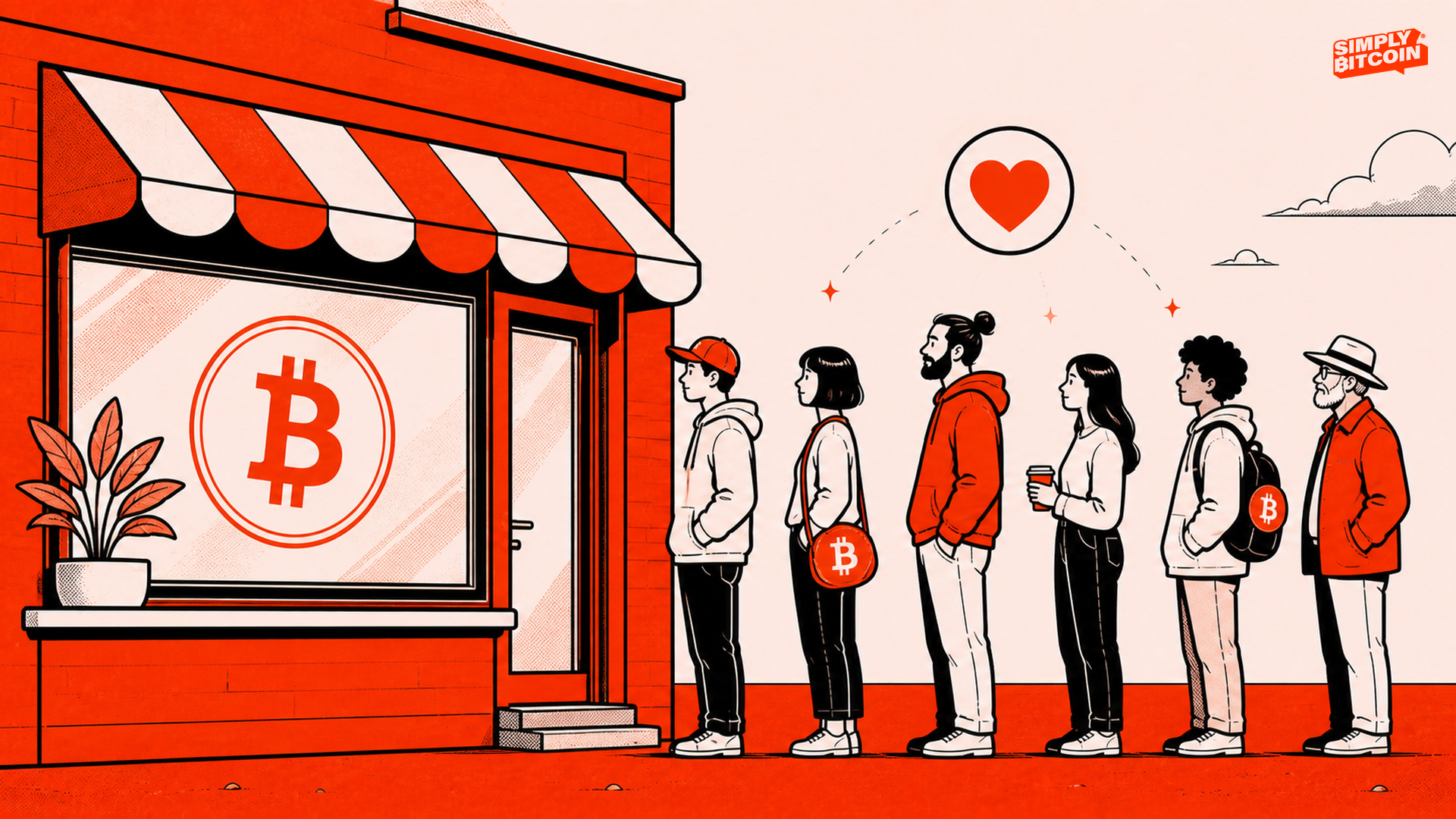
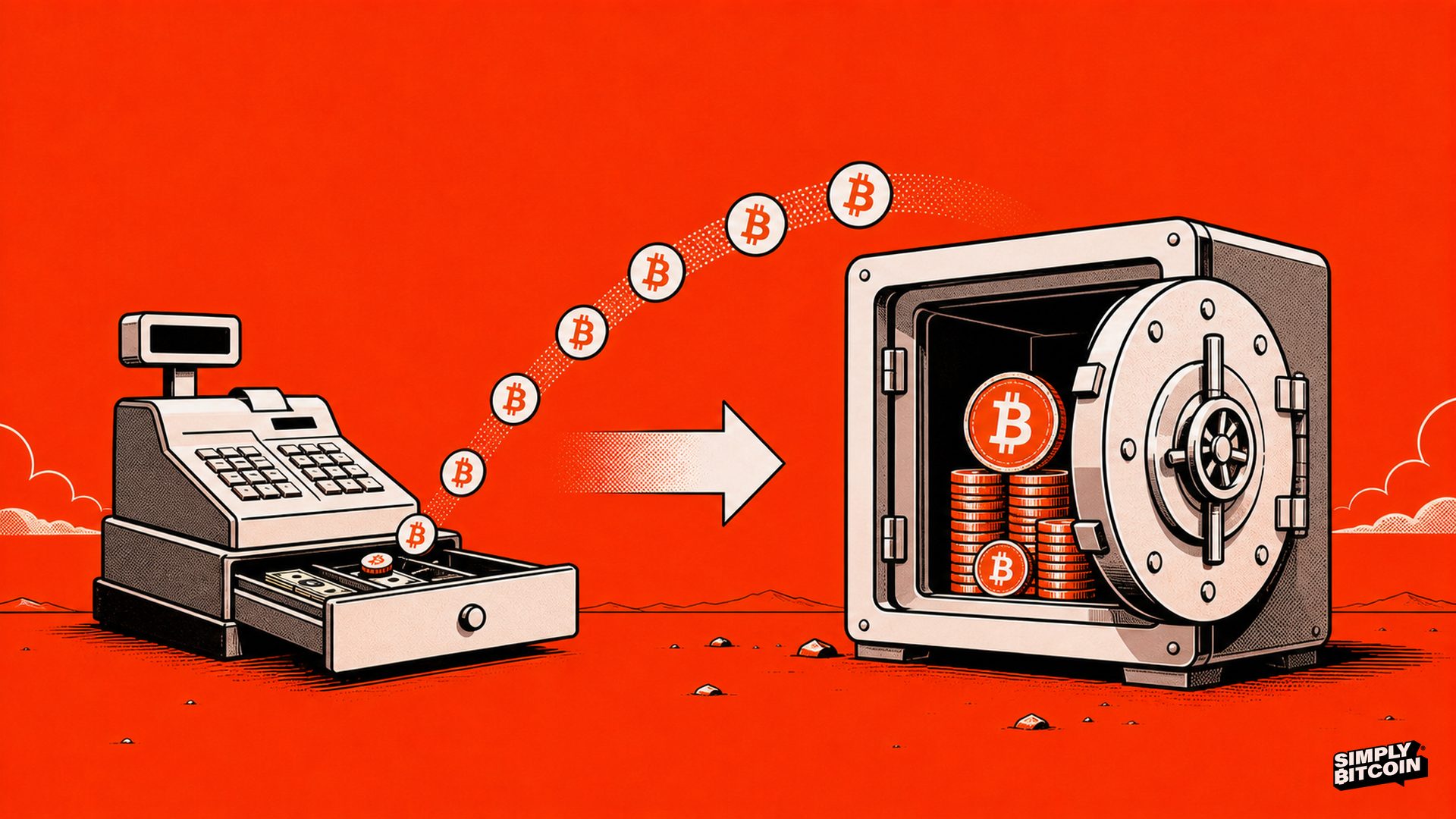
Treasury Thinking Starts At The Register
Accepting Bitcoin also changes how a business thinks about its own future.
A merchant who receives Bitcoin has to ask better questions. What should sit on the balance sheet? How much working capital should remain in dollars? How much value should be held in an asset with a fixed supply and a global settlement network behind it?
These questions move a business from survival mode toward treasury discipline. They turn every sale into a chance to accumulate better money. They push owners to think in years, generational value instead of quarterly noise.
Bitcoin does this quietly. One payment at a time. One invoice at a time. One sat at a time.
The register becomes the front door to the treasury.
The Next Great Businesses Will Be Bitcoin-Native
The first wave of internet commerce put stores online. The next wave puts settlement online.
Bitcoin-native businesses will understand this at the root. They will price globally, settle instantly, save intelligently, and build relationships with customers who value sovereignty. They will know which monetary network belongs to the future.
This will start small, as everything real does. A local shop accepting Lightning. A creator selling directly to supporters. A service business holding part of revenue in Bitcoin. A global merchant serving customers who never needed the same bank to trade.
Then it will feel obvious.
Businesses follow incentives. Customers follow conviction. Bitcoin gives both sides a better way to meet.
Commerce has always wanted direct settlement.
Bitcoin finally gave it the network.