Your Emergency Fund Lives Inside The Emergency

Most people keep a backup for the things they actually depend on. A spare tire, a fire extinguisher, a generator, a second phone charger in the bag. The entire point of a backup is that it does not share a failure with the thing it is backing up. A spare tire does not go flat because the first one did. A fire extinguisher does not need the fire department to already be on the way.
Money is the one system where most people never apply this logic. The account they call their emergency fund and the system that might cause the emergency are, in nearly every case, the exact same system.
THE LOGIC OF A REAL BACKUP
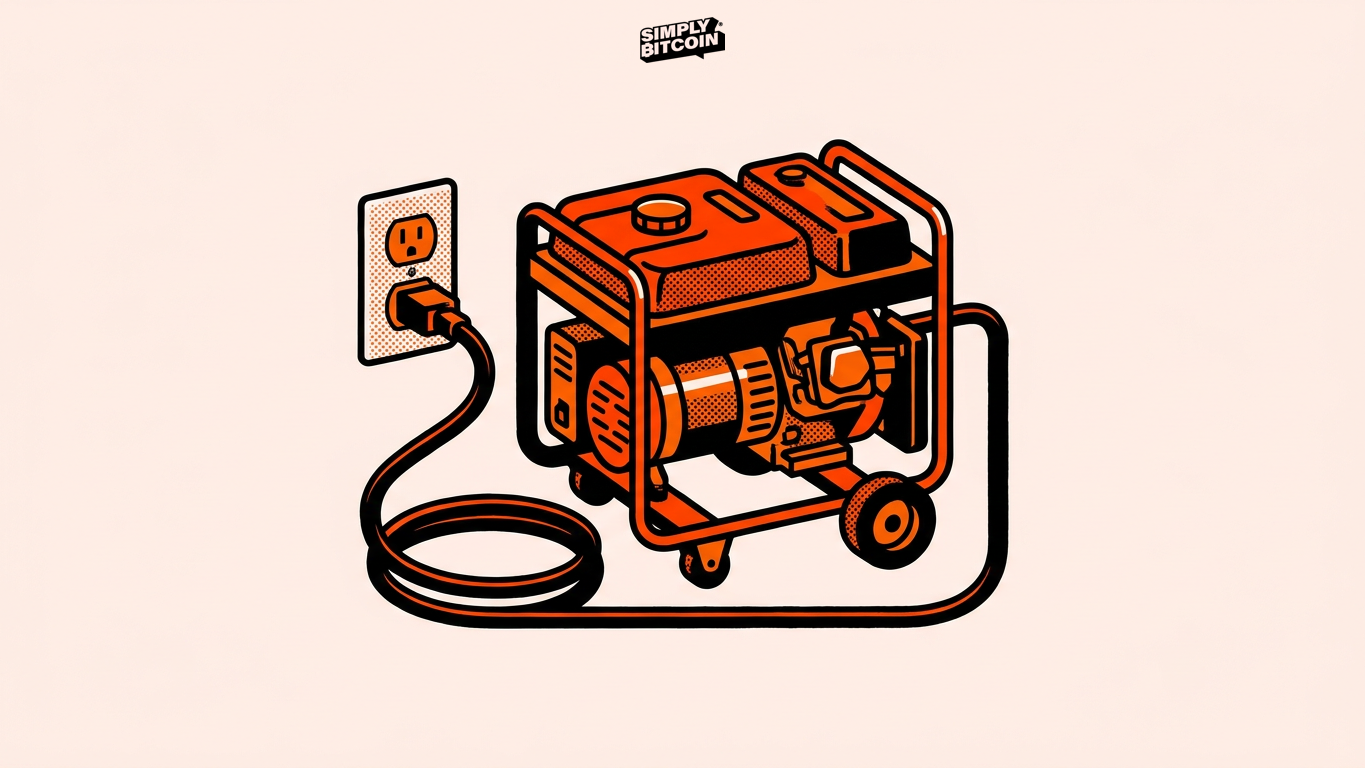
A backup only works if its failure point is different from the primary system's failure point. If a generator's fuel line runs back to the same grid it is supposed to replace, it is not a backup. It is a second bet on the same table.
This is obvious with physical objects. It becomes invisible with money, because a bank balance does not look like a bet. It looks like a number that sits there, stable, waiting. But the number is not the money. The number is a claim on an institution, and that institution has its own solvency, its own technology, its own regulators, and its own bad days.
YOUR SAVINGS ACCOUNT IS NOT A BACKUP, IT IS A SECOND BET ON THE SAME TABLE
In early November 2026, Paraguay's central bank put Ueno Bank, one of the country's largest digital lenders, into resolution after regulators corrected the bank's books and found its capital had fallen to less than half the legal minimum required against its risk weighted assets. Close to three million customers, roughly six in ten adults in the country, suddenly found themselves without access to their accounts as the bank's app, cards and transfers went dark. These were not reckless people. They were savers, retirees, and workers whose paychecks landed in an account that existed inside the same system it was supposed to protect them from. The emergency and the emergency fund were the same object, and when one failed, so did the other.
THE PART THAT SHOULD SCARE YOU MORE: NOTHING HAS TO GO WRONG
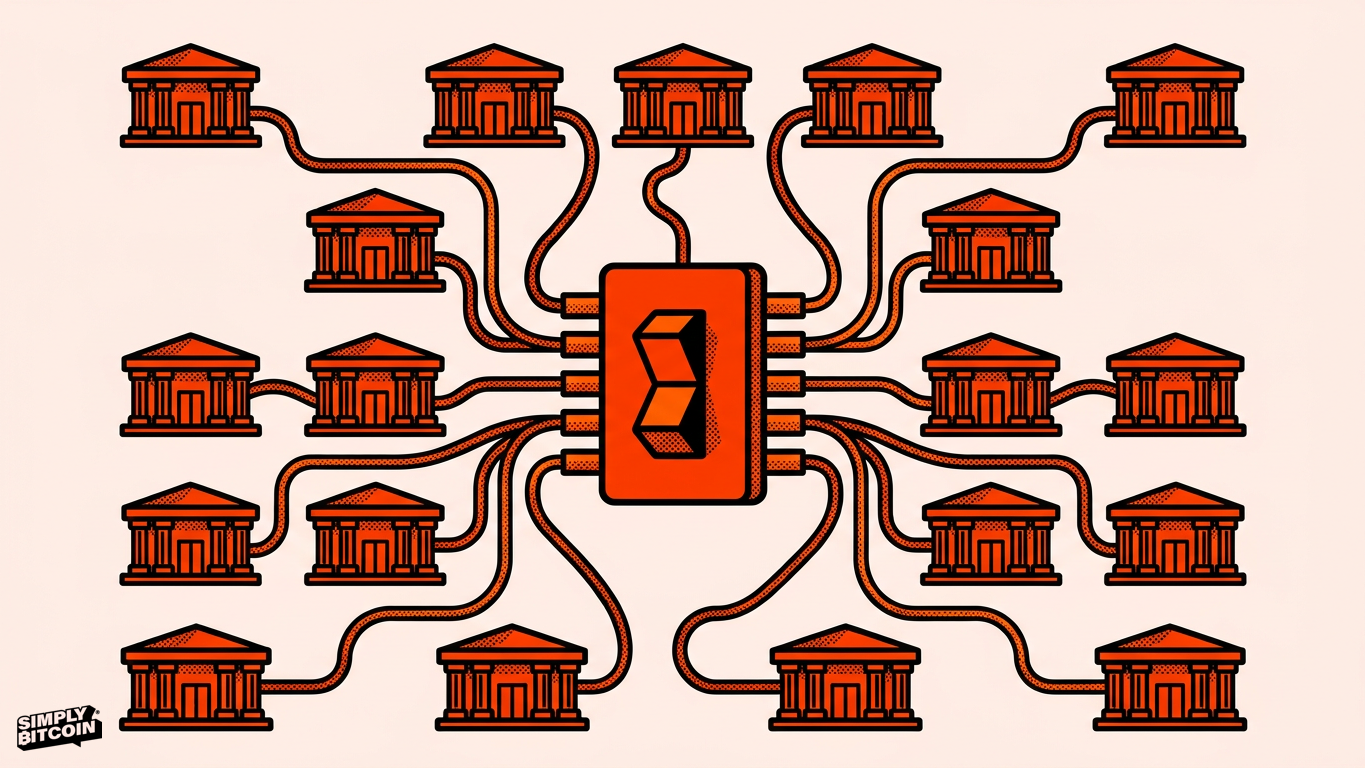
Paraguay is the version of this story where someone was negligent. There is a cleaner, colder version where nobody was. On the same week, a single piece of communications equipment failed at a shared processing hub in western Japan. No fraud, no insolvency, no bad loans. Just hardware. That one failure froze ATMs, counters, and online banking at 128 separate shinkin banks and roughly 3,430 branches, with no unauthorized access and no cyberattack found behind it. Service came back after about five and a half hours, which sounds brief until it is your five and a half hours, on the day you needed cash at a counter that could not open its own drawer.
That is the actual lesson. These were 128 different banks, with 128 different managements and 128 different balance sheets. They all went dark at once because they all shared one piece of plumbing. A backup that depends on the same plumbing as the thing it backs up is not a backup. It is concentration risk wearing a disguise.
THE RESCUE ARRIVES ON THE SYSTEM'S SCHEDULE, NOT YOURS
Deposit insurance exists, and it is real, but it was never built to solve the problem of tonight. Paraguay's guarantee fund covers each depositor up to about 228 million guaraníes, roughly 38,000 dollars, and under the country's banking law that payout has to happen within 15 days, a deadline that can be extended once by another 15 days. Fifteen days, possibly thirty, is not a backup for a grocery bill due today or rent due this week. Insurance that pays out on a schedule set by the same system that failed is a promise about eventually, not a plan for right now. It is better than nothing. It is not the thing a bugout bag is supposed to be.
WHAT AN ACTUAL BACKUP REQUIRES
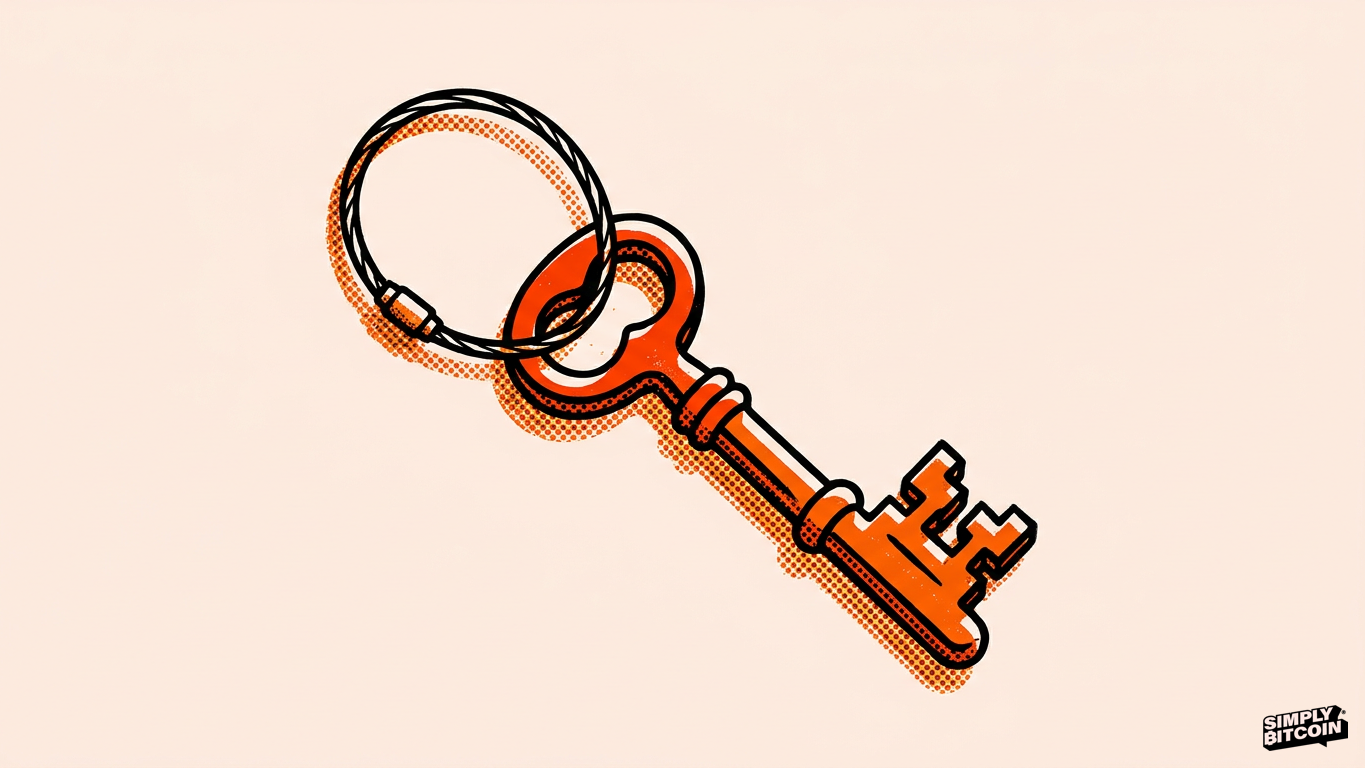
A real backup has to clear one test: it cannot go down for the same reason the primary system goes down. Bitcoin held in self custody clears that test in a way a bank balance structurally cannot. There is no solvency ratio to fall below, because nobody is lending out the collateral behind your keys. There is no shared processing hub that 128 unrelated custodians all depend on at once, because there is no custodian in the loop to begin with. There is no fifteen day payout schedule, because there is no claim being processed. You hold the thing itself, verified on a ledger that does not need a regulator's permission to keep running. This is not a claim that Bitcoin cannot go wrong. Keys get lost, software gets misused, people make mistakes. But the failure modes belong to the holder, not to an institution's balance sheet, its vendor's hardware, or a bank's third quarter numbers. That is the actual distinction a backup needs: a different failure domain, not just a different logo.
THE BUGOUT STACK, NOT THE WHOLE STACK
None of this is an argument for abandoning bank accounts or moving every dollar into cold storage. A checking account is still useful for a system most of daily life still runs on. The argument is narrower and harder to dismiss: the portion of your savings you think of as the emergency reserve should not live inside the thing most likely to cause the emergency. A small, self custodied position is not a trade. It is the one line item in a household's finances that does not share a failure point with everything else in that household's finances. Three million Paraguayans did not lack an emergency fund. They had one. It just lived inside Ueno Bank, and on the day it mattered most, so did the emergency.


Daily Bitcoin news, analysis and interviews. New shows every single day.
Subscribe on YouTube