Your Bank Knows More About You Than Your Spouse Does
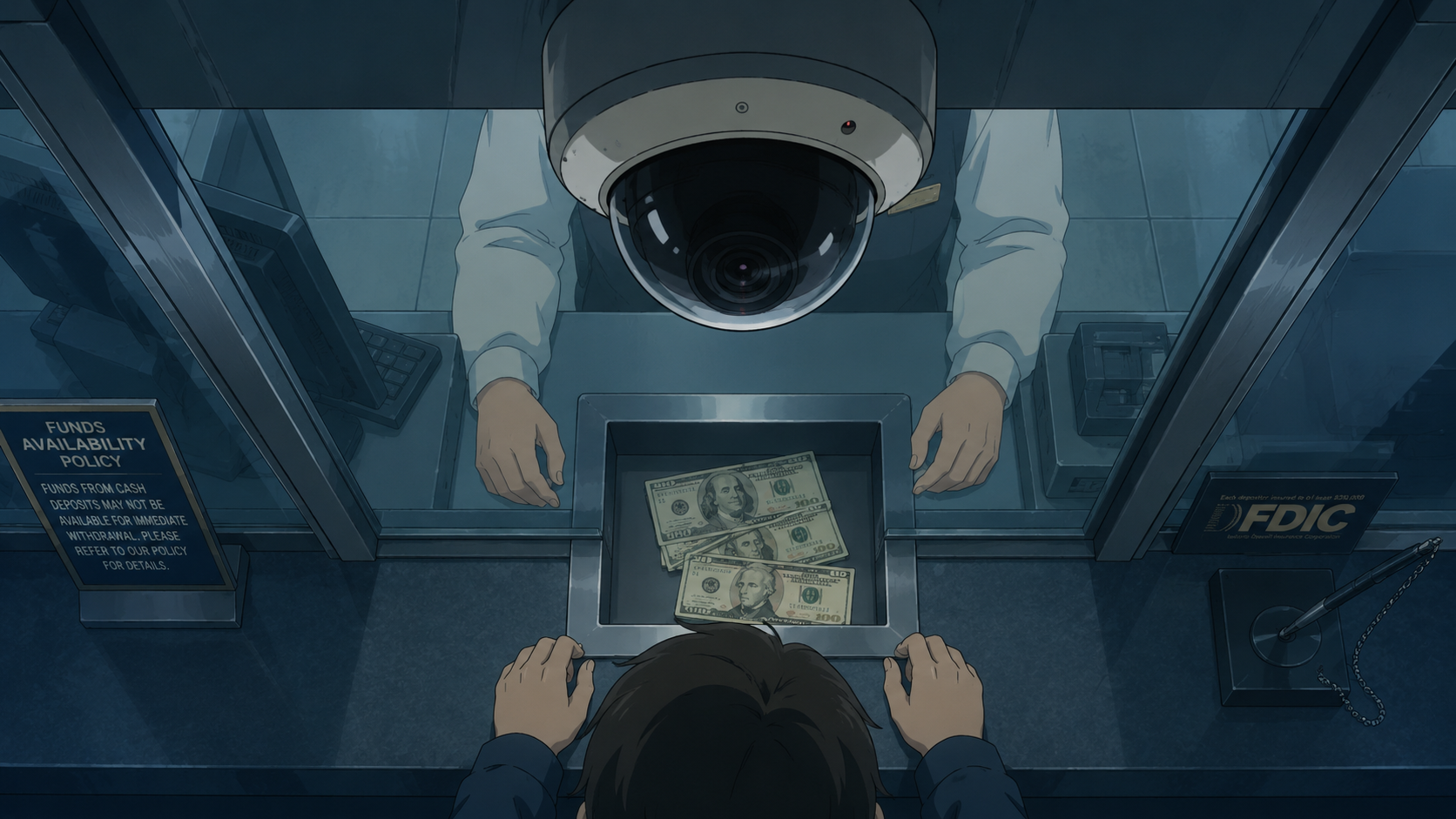
Your bank knows where you ate dinner last Tuesday. It knows what doctor you visited, what medications you filled, what political causes you donated to, what websites you paid to access. It knows when you drink too much, when you gamble, when you buy things late at night that you wouldn't mention at the dinner table. It has a record of every single one of those decisions, timestamped and stored, accessible to regulators, law enforcement, and anyone else with the right paperwork or a convincing enough phone call.
Your spouse probably doesn't know half of that.
This isn't paranoia. This is how the system is designed.
The Architecture of Financial Surveillance
Every transaction you make through the banking system generates a data point. That data point lives in a private database controlled by a private company that answers to government regulators. The Bank Secrecy Act requires financial institutions to file Suspicious Activity Reports on customers they believe might be doing something questionable. "Questionable" is defined broadly and updated constantly. In 2021, Congress proposed lowering the reporting threshold for bank transfers to $600. The proposal failed, but the intent was clear: they want to see everything.
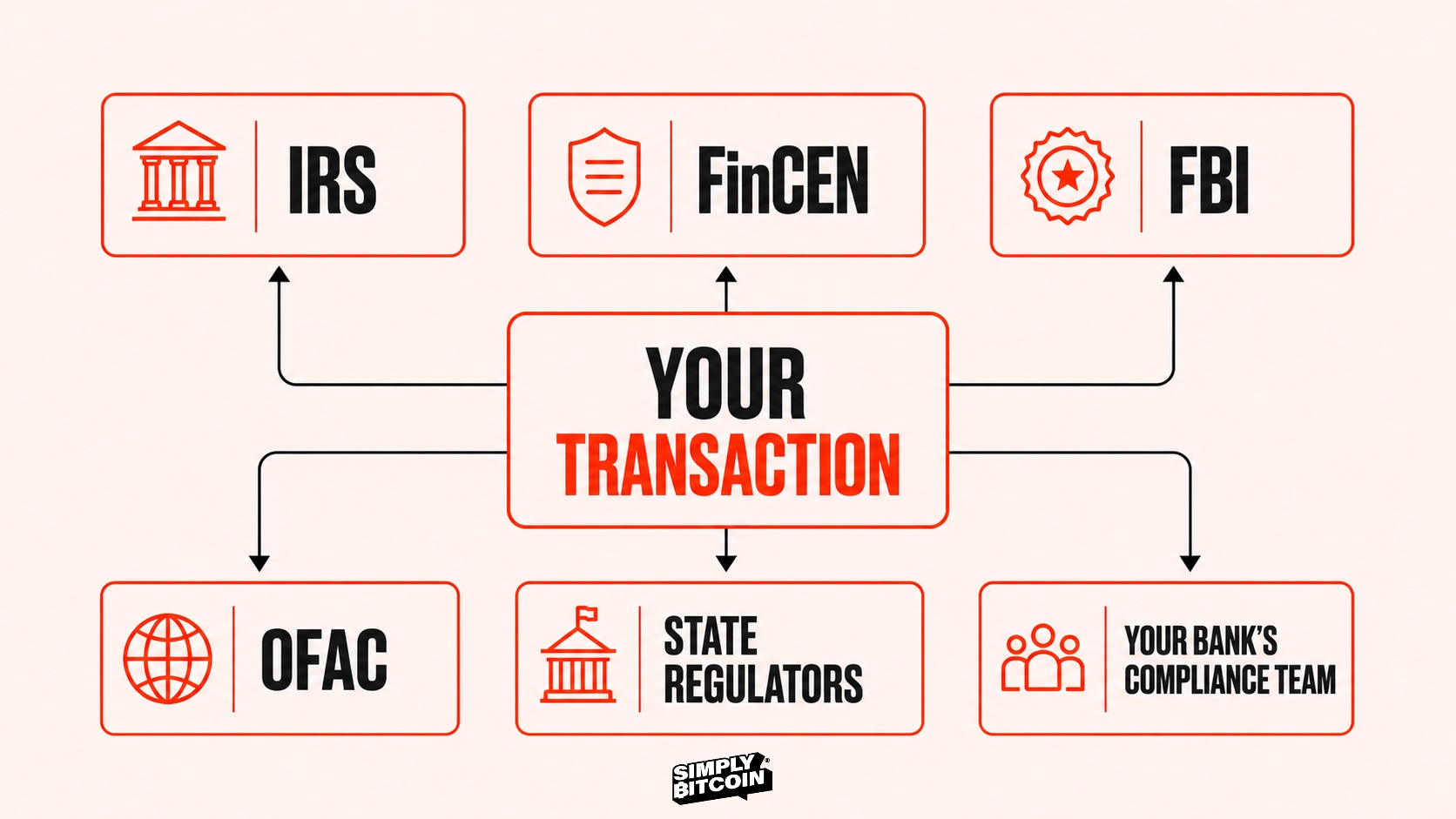
The IRS, FinCEN, OFAC, the FBI, state regulators, all of them have legal channels to access your financial history without your knowledge or consent. In most cases, they don't need a warrant. They need a subpoena, which is much easier to obtain, and your bank is legally prohibited from telling you it received one.
This is not Hypothetical
In 2013, the Department of Justice ran Operation Choke Point, a program that pressured banks to close accounts for businesses the government found politically inconvenient; payday lenders, firearms dealers, fireworks manufacturers. Banks complied quietly because they had no reason not to. The accounts disappeared without explanation.
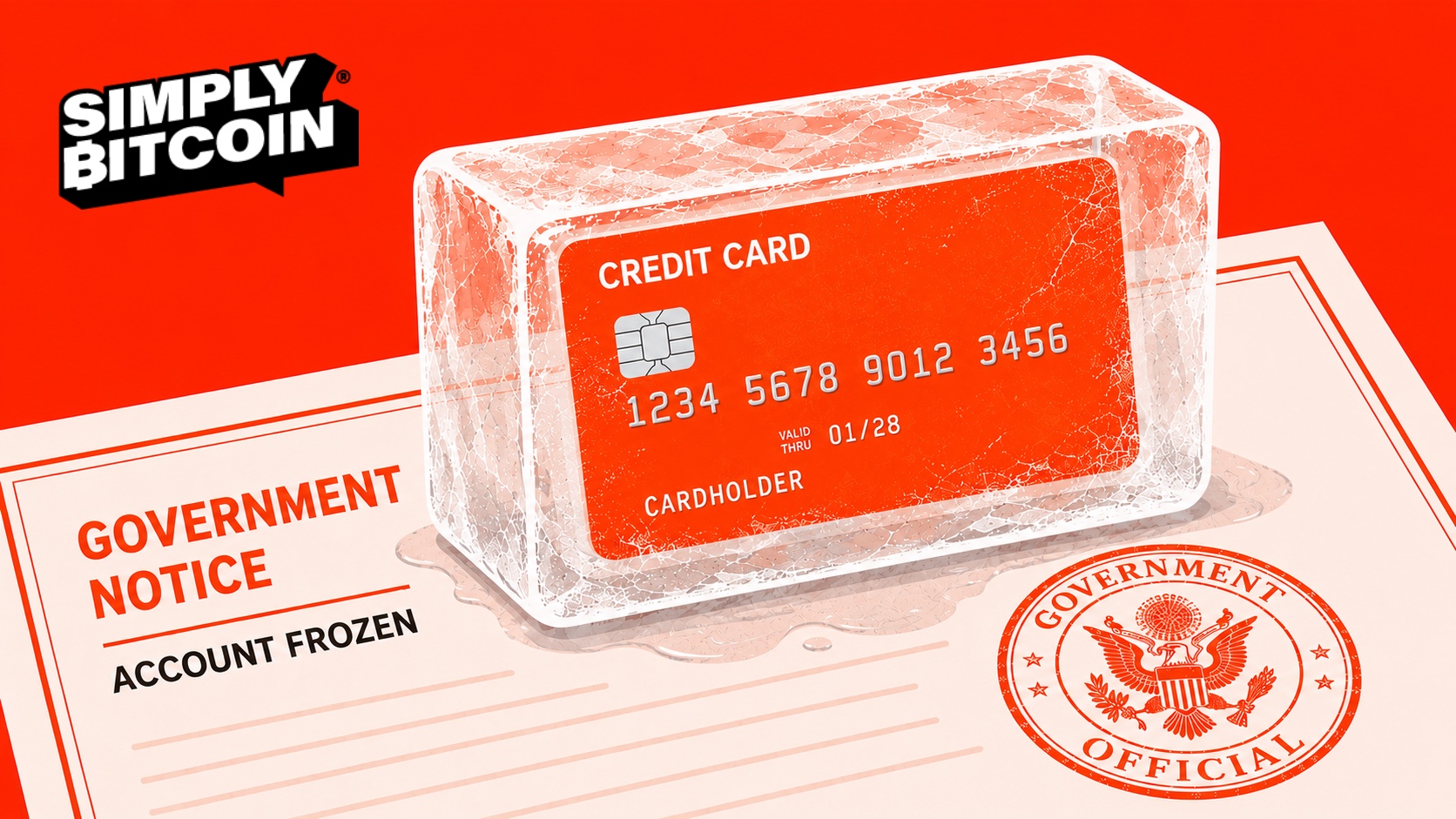
In 2022, the Canadian government froze the bank accounts of people who donated to a trucker protest they disagreed with. People who donated money to a cause the government didn't like. The accounts were frozen first and the legal process came later, if at all.
This was the system working exactly as designed.
When your money lives in the banking system, it lives there on someone else's terms. Those terms can change without notice. Your access can be revoked with a phone call from the right government office, and you won't find out until your card gets declined at the grocery store.
Bitcoin is the Alternative They Didn't Plan For
Bitcoin transactions don't go through a bank. There is no compliance officer between you and the person you're sending to. There is no Suspicious Activity Report. There is no account to freeze. The network validates transactions based on cryptographic rules, not on whether some regulator finds the recipient politically acceptable.
This is what financial sovereignty actually means. The literal ability to transact without asking permission from a third party who answers to a government.
When you hold your own keys and send bitcoin directly, you are participating in the only monetary system in history that cannot be administratively shut down for one person while remaining open for everyone else. The rules are the same for every participant. The supply is fixed. The access is permissionless.
That is a revolutionary capability. Not because it exists in theory, but because millions of people are already using it.
"We're not here to ask permission from large financial institutions to exist."
- Arthur Hayes
What You Owe Yourself
Understanding this doesn't require you to distrust your bank on a personal level. Your local branch employees are fine. The surveillance infrastructure isn't their idea. But the infrastructure exists regardless of who runs the teller window, and the infrastructure is what matters when things go wrong.
The question isn't whether you have done anything to warrant surveillance. The question is whether you want to live in a world where every financial decision you make is permanently recorded, accessible to authorities, and subject to administrative override on political grounds.
Bitcoin doesn't ask you to do anything dramatic. It asks you to understand what the alternative looks like before you decide you don't need it.
The people who understood the banking system most clearly weren't the people waiting for it to be fair. They were the people who found another way.
Every time you use Bitcoin, you are using a monetary system that was designed from the ground up to be resistant to the exact kind of overreach this article describes. That wasn't an accident. Satoshi knew what they were building, and so did everyone who came after.
Stack accordingly.