You Can Audit Bitcoin. You Cannot Audit The Fed.

There is a peculiar thing about the money you use every day. The institution that creates it, that decides how much of it exists and determines its future purchasing power, that institution has never once been fully audited. Not once. In over a century of operation, the Federal Reserve has not opened its books to an independent examination of its gold holdings, its counterparty exposures, or the full scope of its balance sheet operations. It operates in the dark. And you are expected to trust it.
Bitcoin operates in the light.
WHAT "TRUSTLESS" ACTUALLY MEANS
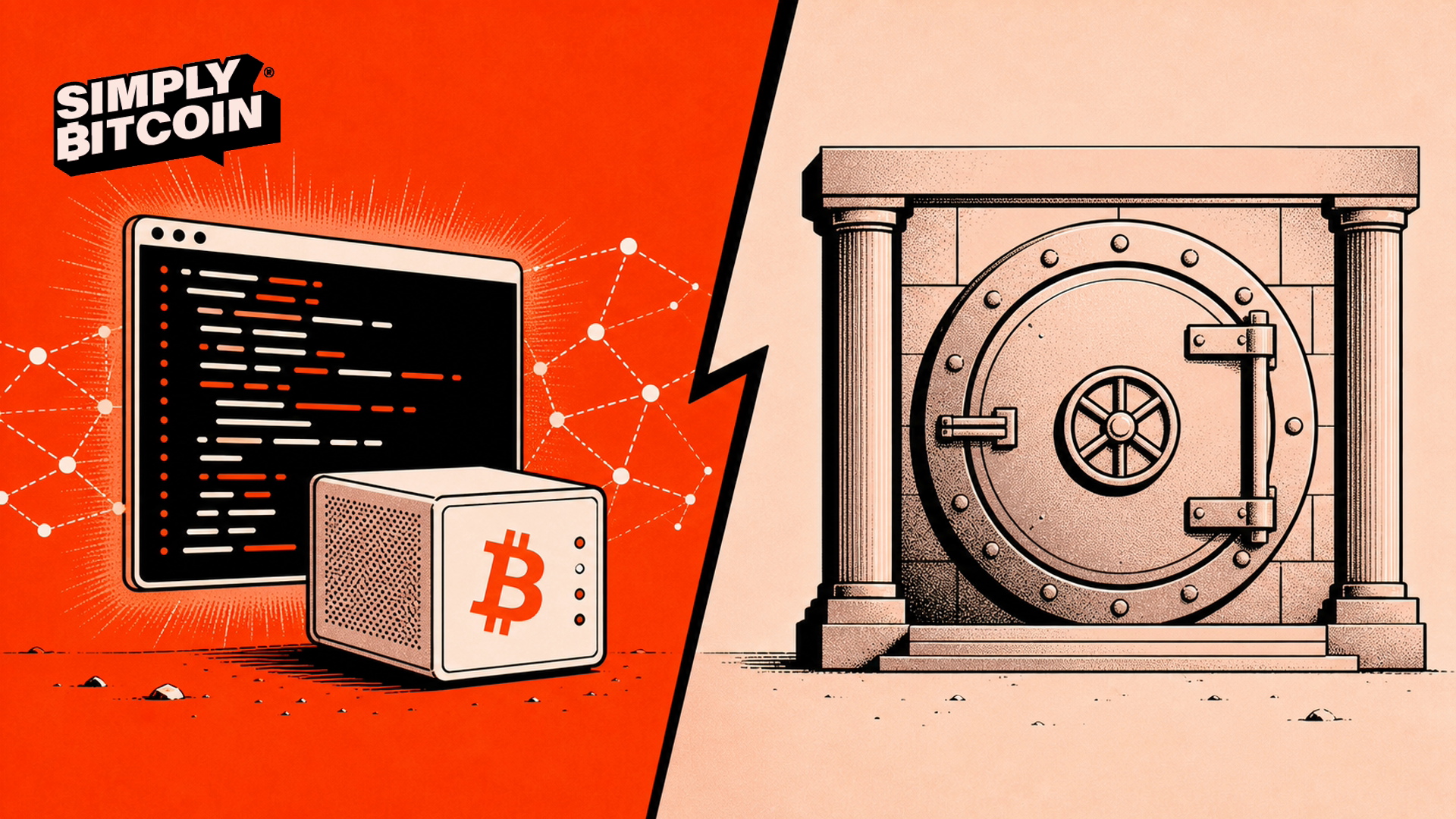
When people in the Bitcoin community say Bitcoin is trustless, they don't mean there is nothing to rely on. They mean the thing you rely on is verifiable code, not human promises. Every rule Bitcoin operates under; the 21 million supply cap, the block reward schedule, the difficulty adjustment mechanism, the transaction validation logic, is written in software that anyone on earth can read, run, and verify independently.
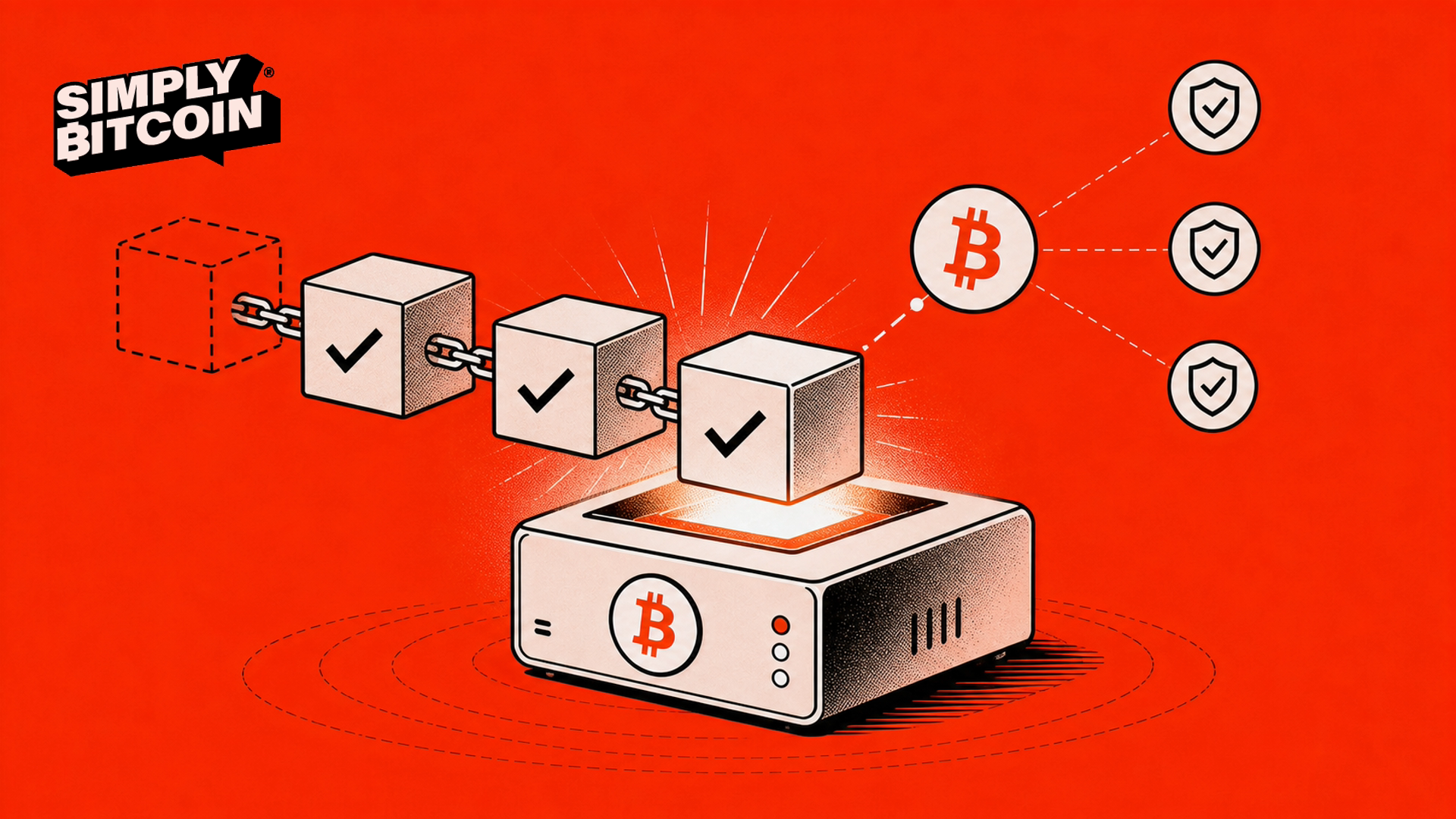
Right now, today, you can download the Bitcoin source code, read every line of it, compile it yourself, and run it on hardware you control. You can verify with your own node that the supply cap is exactly what everyone says it is. You can check that the last block followed every protocol rule. You do not have to believe anyone nor trust a spokesperson, a press release, or an annual report written by the same people you are auditing.
The entire monetary policy of Bitcoin is public, permanent, and enforced by math.
THE FED'S TRANSPARENCY THEATER
The Federal Reserve publishes data. This is often cited as evidence of transparency. The Fed releases a weekly balance sheet summary, publishes FOMC minutes with a few weeks' delay, and holds press conferences where its chair answers carefully curated questions in polished language.
None of that is an audit.
An audit means an independent party examines the underlying records and can verify the claims made. What the Fed releases is what the Fed chooses to release, formatted the way the Fed formats it, with no independent verification of the source data. When the Fed says it holds a certain amount of gold at Fort Knox, the last independent physical count of that gold happened in the 1950s. The official answer to calls for a full audit has consistently been that such an audit would compromise the Fed's independence and market credibility.
The argument, translated plainly: we cannot be examined because examination would undermine confidence in us.
That is not a monetary system built on trust earned. That is a monetary system built on trust demanded.

OPEN SOURCE MONEY IS A REVOLUTION
The concept of open source software is simple: the code is public, so anyone can inspect it, improve it, fork it, or refute it. The value of open source is that no single actor can hide something in the code and expect it to stay hidden. Thousands of eyes mean bugs and backdoors get found. Consensus about what the code does is built not on faith in a company but on direct inspection of the thing itself.
Bitcoin is the first monetary system in history built on this principle.
Satoshi Nakamoto did not ask for trust. They published the white paper, released the code, and disappeared. The code ran. Other developers inspected it, found issues, improved it, and submitted those improvements for the community to accept or reject. No single entity controls the protocol. No team can quietly alter the supply rules or grant themselves special transaction privileges. Any such change would be immediately visible to every node operator in the world, and the network would reject it.
This is not just a feature of Bitcoin. It is the entire architecture. The money is the code. The rules are the code. And the code is public.
WHAT YOU OWN WHEN YOU HOLD BITCOIN
When you hold bitcoin in self-custody, you are not holding a claim on an institution. You are holding a cryptographic key that gives you the ability to sign transactions. The validity of those transactions is enforced not by a company, not by a government, and not by a counterparty you need to trust, but by a global network of nodes running open-source software that has been inspected by thousands of independent contributors.
Your bitcoin does not require a functioning Federal Reserve. It does not require a bank to remain solvent. It does not require a currency swap agreement or a liquidity facility or any of the other machinery that the traditional financial system uses to stay standing. It requires math. Math doesn't take weekends off, doesn't issue misleading press releases, and cannot be pressured into an emergency policy pivot at 2 a.m. on a Sunday.
The Federal Reserve cannot be audited because the system was not designed for that. Bitcoin cannot avoid being audited because it was designed for exactly that.
VERIFICATION IS SOVEREIGNTY
Every node that runs the Bitcoin software is an independent auditor. There are tens of thousands of them. They do not coordinate with each other on a conference call or submit reports to a central office. They each verify the same rules, independently, and collectively enforce the protocol without any central permission or direction.
This is what monetary sovereignty actually looks like, not a nation-state's ability to print currency, but an individual's ability to verify that the money they hold follows the rules they signed up for, in real time, without asking anyone for permission.
The Fed asks you to take the money and trust the institution. Bitcoin gives you the money and the means to verify every claim the protocol makes about it.
That is not a small difference. It is the whole game.