The Biggest Bounty In Finance Still Has No Winner
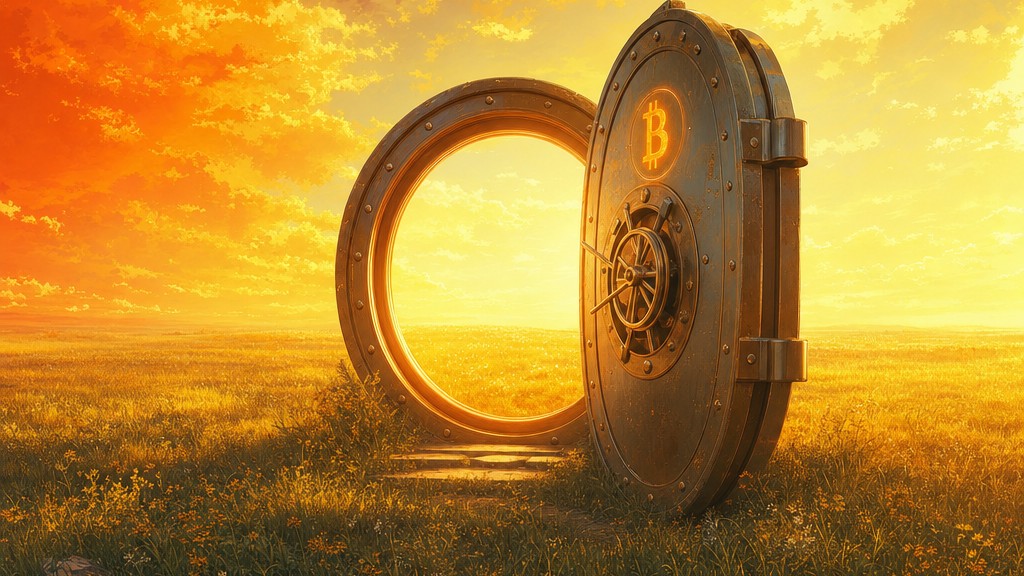
This week, hackers cranked grocery store freezers to 50 degrees Celsius in six countries, and the Pentagon is investigating the same thing at six military bases. An attacker drained $6.3 billion from Binance in minutes. Google and Intel had some of their worst trading days in years. Through all of it, the single largest known fortune in Bitcoin sat exactly where it has sat for more than sixteen years, and nobody touched it.
THE WEEK EVERYTHING WITH A LOGIN GOT TESTED
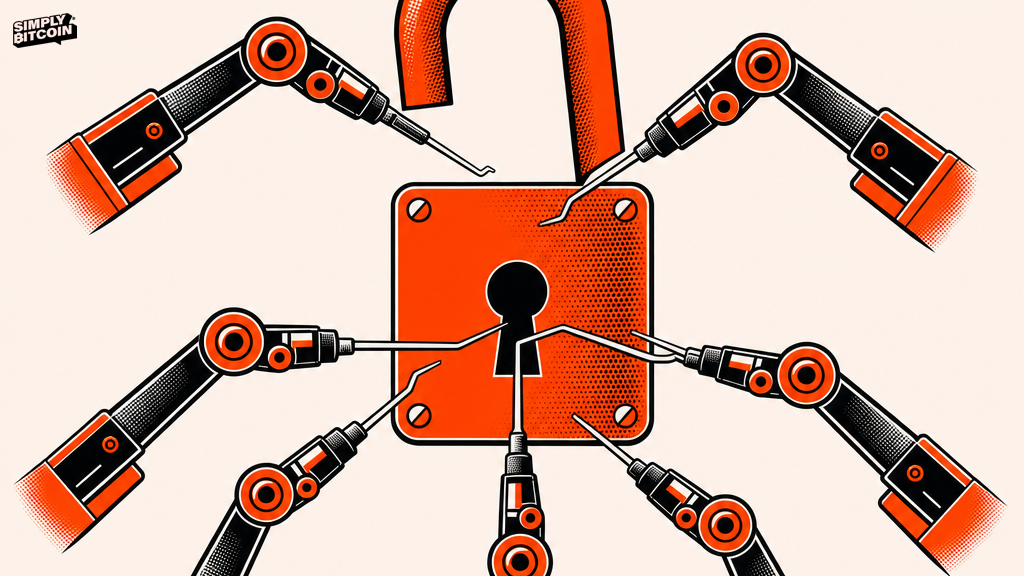
The freezer hacks reportedly ran through weak default passwords. Binance says its breach traced back to one engineer's compromised laptop. Different targets, same shape: a login somewhere that a person, a password, or a piece of software could be tricked into opening. That is what a door is. Every target this week had one.
THE PRIZE NOBODY NEEDS A PASSWORD TO FIND
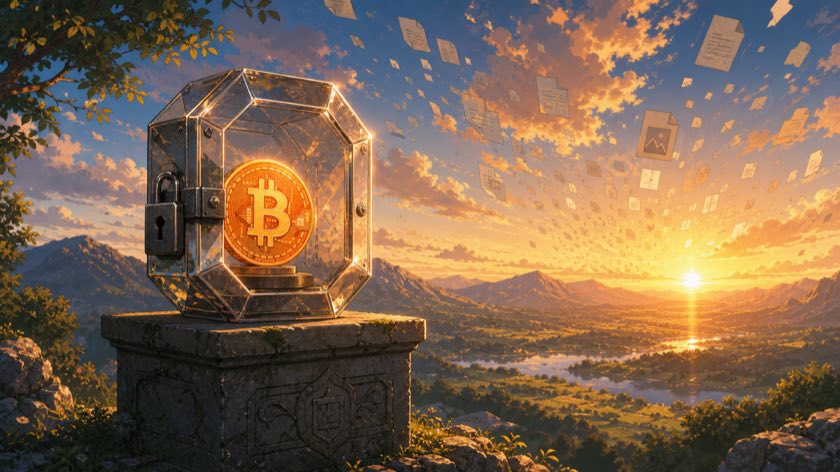
Roughly 1.1 million bitcoin, mined in the network's first eighteen months, sit across a cluster of more than 20,000 early addresses tied to Satoshi Nakamoto. None of it is hidden. Anyone can look up the balance right now with a free blockchain explorer. No identified wallet in that cluster has sent a single outgoing transaction since 2010.
At today's bitcoin price near $78,500, that stash is worth roughly $86 billion, more than ten times what left Binance this week, and it represents about 5 percent of every bitcoin that will ever exist. It is arguably the most closely watched pile of money on earth, tracked by analysts, journalists, and more than a few people who would very much like to know where it is going.
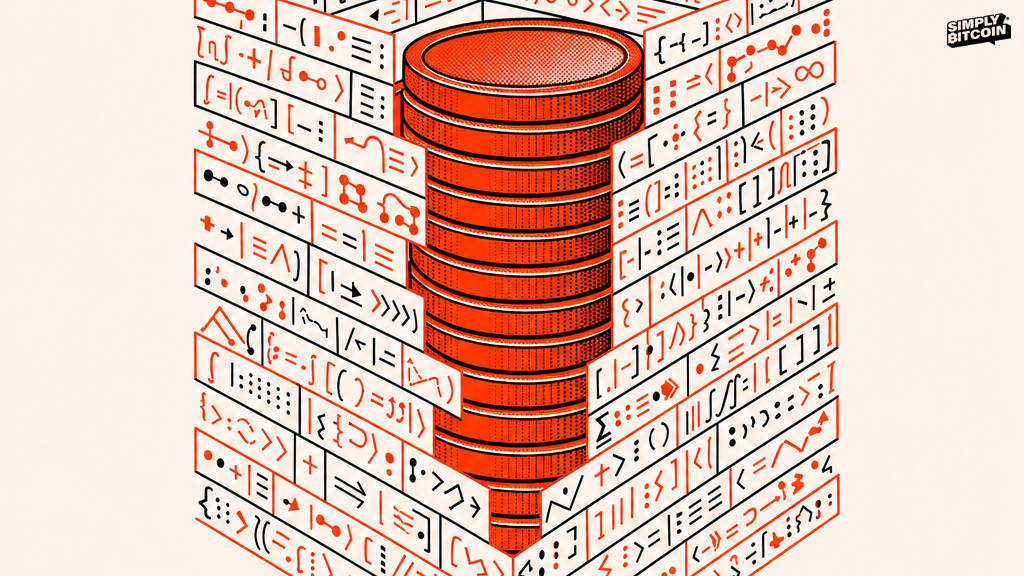
EVERY OTHER TARGET HAD A DOOR. THIS ONE DOESN'T.
A freezer control panel has a login. A hot wallet has an engineer with a laptop. A login is a door, and a door can be guessed, phished, or socially engineered, which is exactly what happened to the targets above. Satoshi's coins have no customer support line to call and no password reset form to exploit.
What stands between the public address and $86 billion is pure mathematics: an elliptic curve private key that cannot be guessed, only derived, and deriving it from the public key is currently beyond the reach of any computer on the planet. That is not a wall built to keep people out. It is a lock made entirely of arithmetic.
SIXTEEN YEARS OF THE STRONGEST INCENTIVE IN FINANCE
Bitcoin's code has been public and picked apart by cryptographers since the white paper went out in 2008 and the network started running in January 2009. Every government, intelligence service, and criminal syndicate with an interest in free money has had the motive and the time to find a flaw in that math, with the single largest payday in the history of theft sitting in plain view the whole time. None of them has.
AI MADE EVERY OTHER DOOR CHEAPER. IT DIDN'T BUILD A NEW ONE HERE.
Bitcoin analyst Lyn Alden made the point plainly after the Binance hack: the more complex a system gets, the more attack surface it carries, and AI is making it cheaper than ever to probe that surface for a weak spot. Bitcoin, by her read, holds up precisely because it keeps the system simple on purpose.
Cheaper tools for guessing passwords and faking a trusted voice on the phone do nothing against a system with no password and no voice to fake. As AI drives the cost of breaking every login-based system toward zero, the gap between those systems and the one with no login at all does not shrink. It widens.
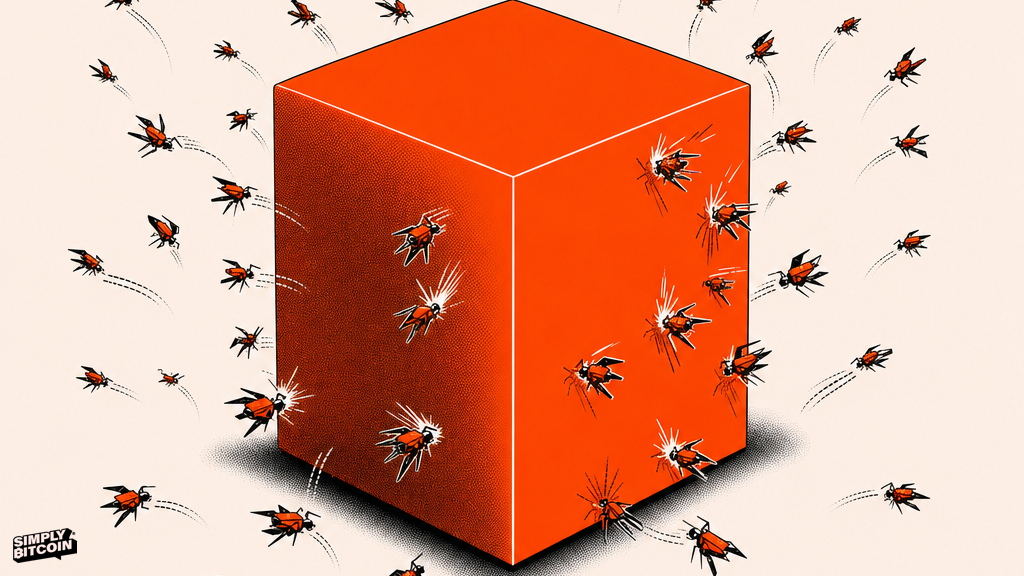
WHAT THE OPEN VAULT ACTUALLY PROVES
The real test of a security model was never whether someone tries to break it. It's whether the single largest possible reward can sit completely exposed, tracked by the whole world, for sixteen years of accelerating attack technology, and still not move. Satoshi's coins have passed that test longer than most banks have existed in their current form.
The 1.1 million coins are not safe because nobody has thought to look. They are safe because nobody can get in without the one thing that actually works, which is the key. That is the real lesson from a week that cracked everything built on a login.


Daily Bitcoin news, analysis and interviews. New shows every single day.
Subscribe on YouTube