Bitcoin Is Digital Scarcity. Everything Else Is Just Data.
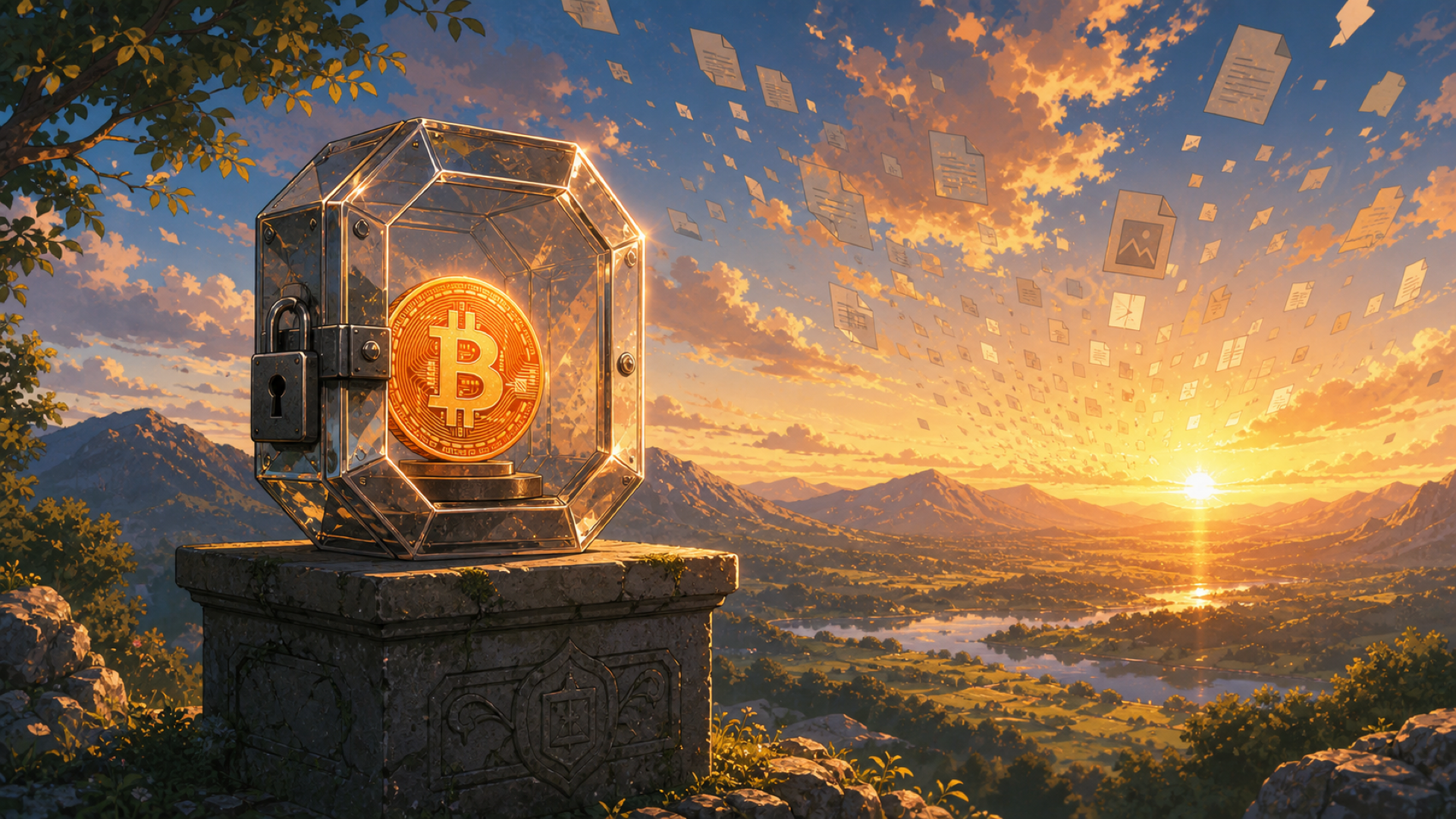
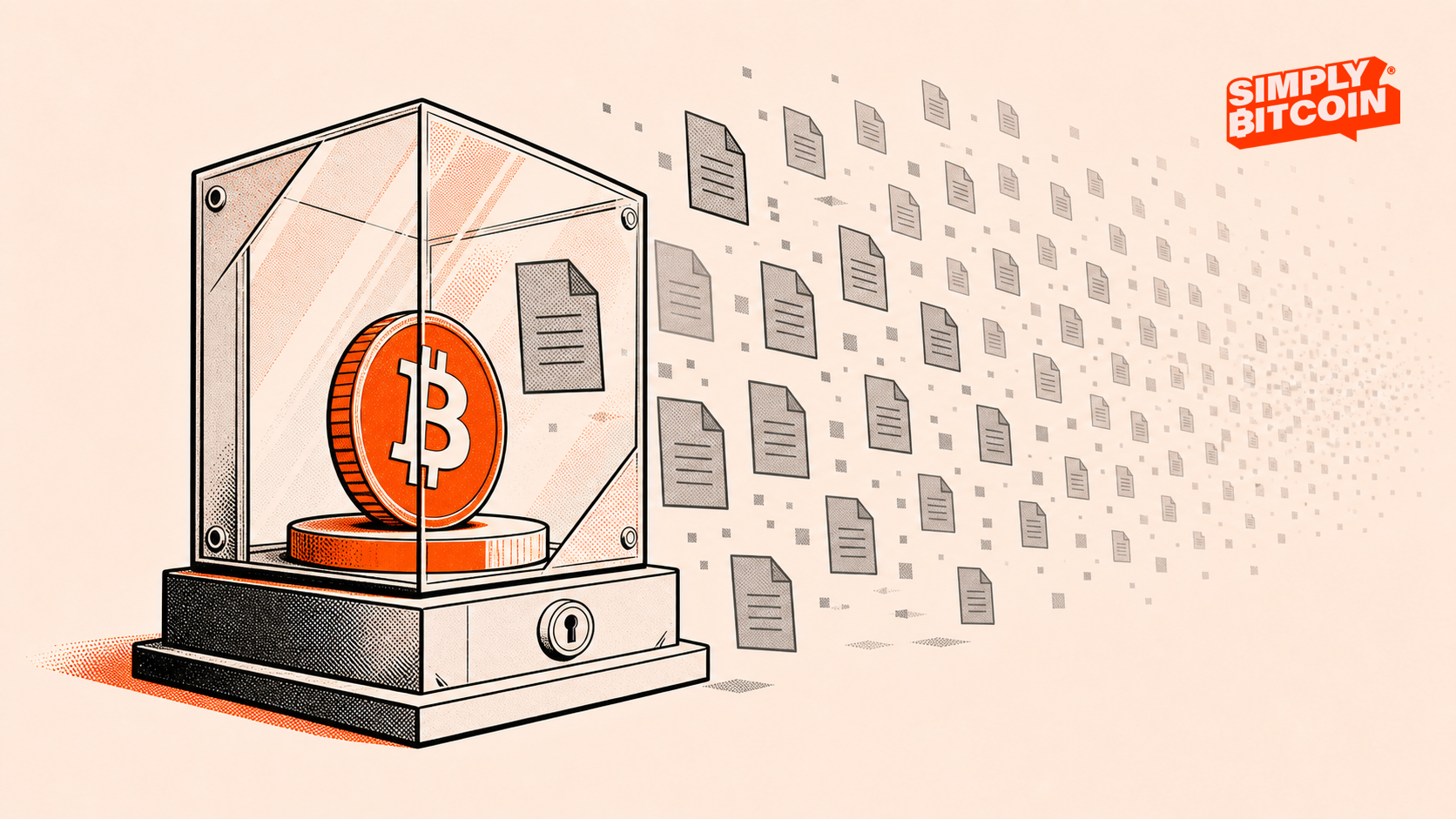
For all of human history, digital things could be copied for free. A photo, a song, a document, a spreadsheet full of numbers claiming to represent money. Copy it a thousand times and you have a thousand identical files, each one just as real as the original. That was the rule of the internet since the day it existed. Bitcoin is the first thing ever built that breaks it.
That single fact is the whole story. Everything else, the price charts, the halving cycles, the ETF flows, all of it downstream of one simple, radical achievement: Bitcoin made a digital object that cannot be duplicated.
THE COPY PROBLEM NOBODY COULD SOLVE
Computer scientists chased this for decades. It's called the double spend problem, and it sounds technical, but the idea is simple. If money is just information, what stops someone from spending the same dollar twice, sending the same file to two different people and having both believe they own the original?
Every previous attempt to solve this required a trusted third party. A bank keeping the ledger. A company running the server. A central authority saying "trust me, I checked, this one's real." That's not digital scarcity. That's digital permission, dressed up to look like ownership.
Satoshi's breakthrough was proving that a decentralized network of strangers, with no CEO and no headquarters, could agree on a single shared truth without asking anyone's permission. Every node checks the same rules. Every miner competes to add the next block. The chain with the most accumulated work wins, and everyone converges on it independently.
SCARCITY YOU CAN VERIFY, NOT SCARCITY YOU'RE PROMISED
Gold is scarce because digging it out of the earth is hard. Diamonds are scarce because a cartel controlled supply for a century. Fine art is scarce because there's only one original. In every case, you're trusting someone else's word for it. A geologist. A corporation. An appraiser.
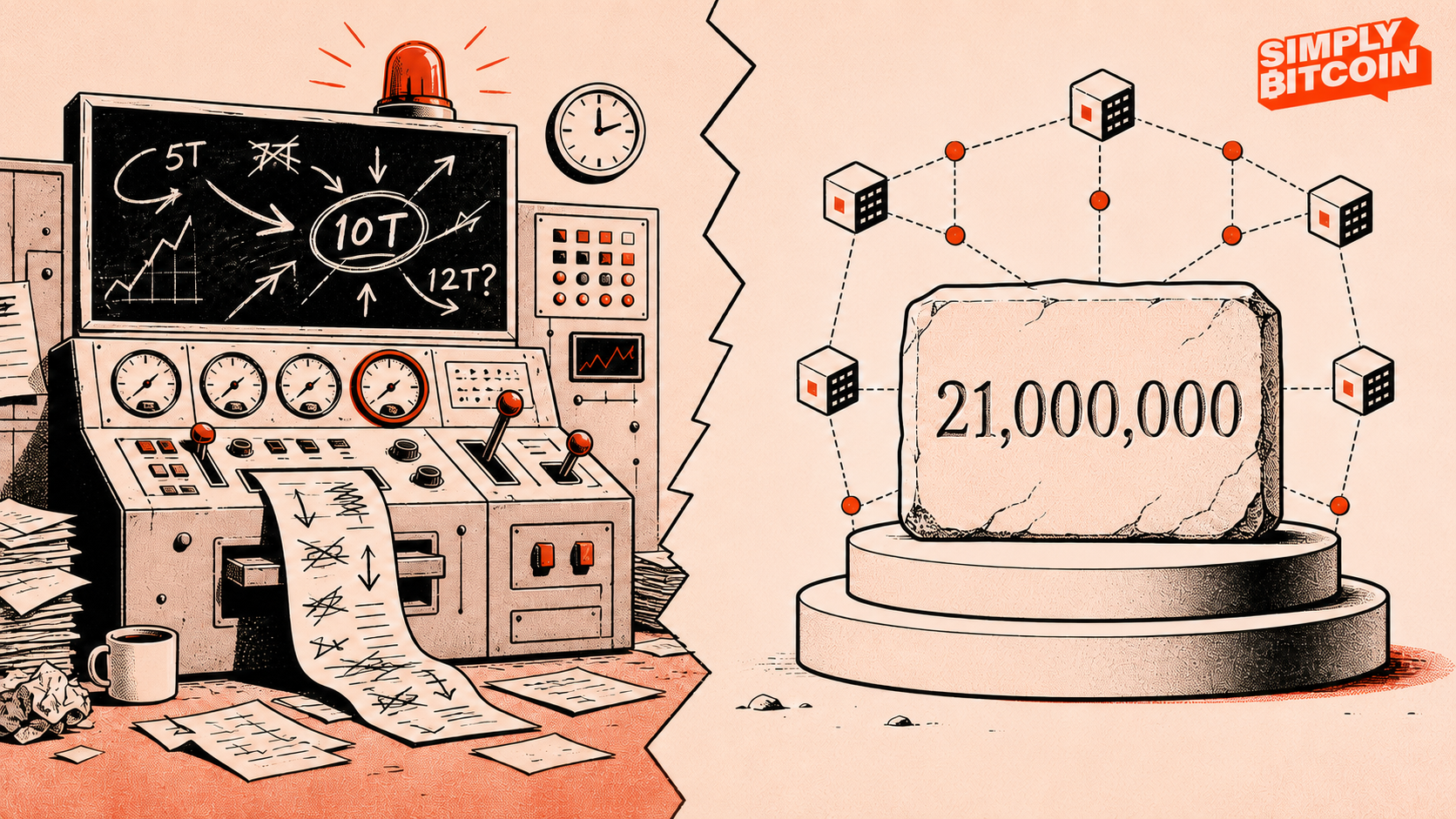
Bitcoin's scarcity is scarcity you check yourself. Run a node and you can verify, right now, exactly how many bitcoin exist, exactly how many will ever exist, and exactly how fast new ones enter circulation. Twenty one million, hard capped, enforced by every participant simultaneously. Nobody has to take anyone's word for anything. That's not a marketing claim. That's math you can run on your own laptop today.
Compare that to literally every fiat currency in existence, where the supply schedule is a policy decision made behind closed doors by people who answer to political pressure, not mathematical law. The dollar isn't scarce. It's managed, and managed means someone else decides how much your savings are worth next year.
WHY THIS MATTERS MORE THAN PRICE
It's easy to get lost in charts and forget what's actually happening underneath. Every four years, roughly, the rate of new bitcoin issuance cuts in half. Not because a board voted on it or a central bank decided inflation needed adjusting. But because the code says so, and the code doesn't negotiate.
That's the part that should stop you in your tracks. Humanity has never had a form of money whose supply curve is completely known in advance, mathematically enforced, and immune to lobbying. Every other monetary system in history has eventually bent to the will of whoever controlled the printing press. Bitcoin removed the printing press from the equation entirely.
This is why serious money, corporate treasuries, and now entire nation states are starting to hold it. Not because the chart went up. Because for the first time, there's an asset on planet earth that can't be inflated away by a committee under pressure to spend more than it has.
THE PART THE SKEPTICS MISS
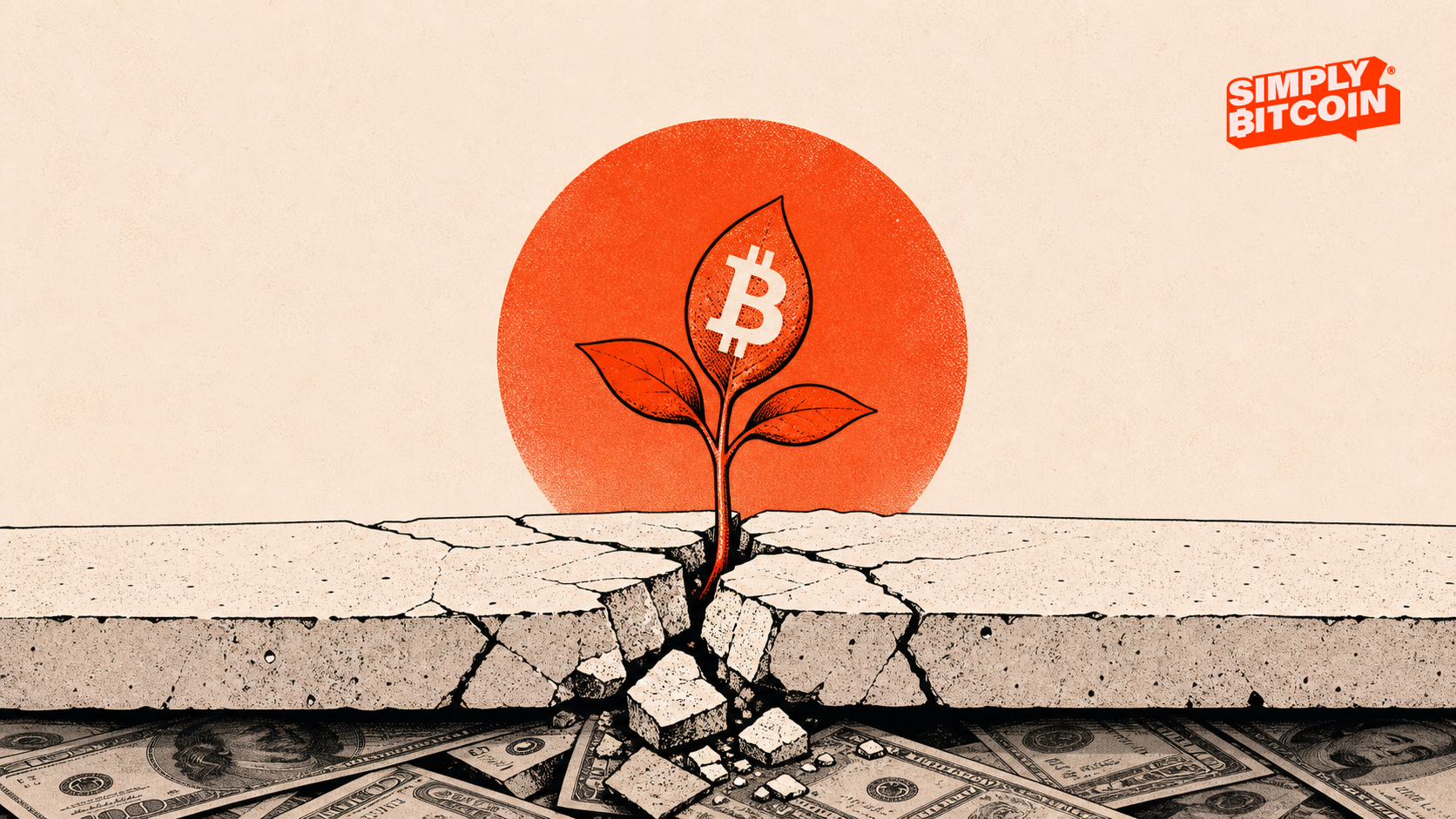
People who dismiss Bitcoin as "just numbers on a screen" are missing the actual innovation. Every currency in history has been numbers on a screen, or numbers on paper, or numbers on a ledger somewhere. The question was never whether money is abstract. The question was always who controls the abstraction.
For the first time, the answer is nobody, and everybody, at once. It's a working system that has run, uninterrupted, adding a new block roughly every ten minutes, for over 17 years, without a single instance of the supply cap being violated.
Everything else can be forked, copied, and reissued with a different name by tomorrow morning. Bitcoin can't. That's not an opinion. That's years of proof.