Stablecoins Compete With Your Currency. Bitcoin Competes With The System.
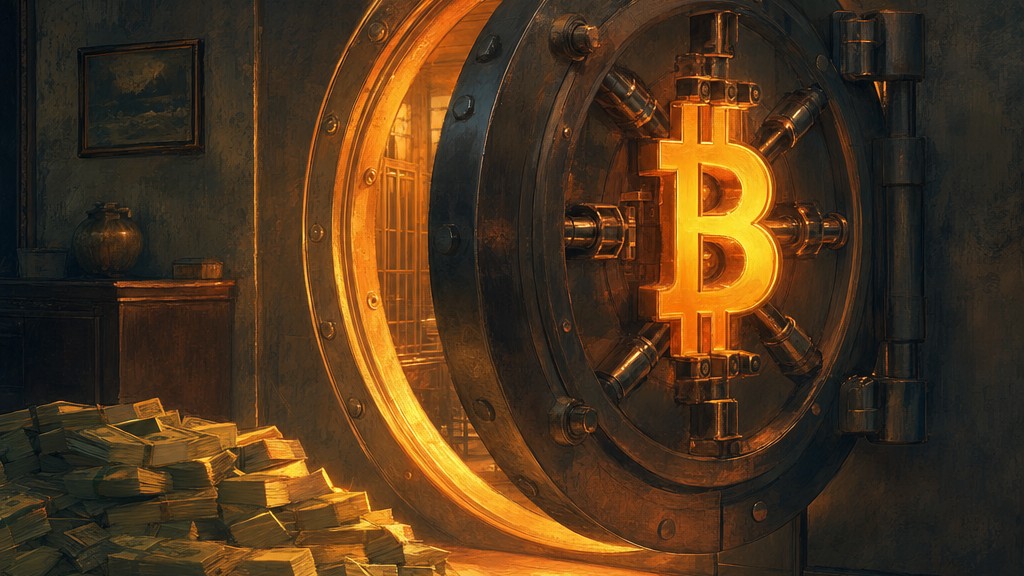
On October 29, a single attacker drained $6.3 billion from Binance in about twenty minutes, more than four times the previous record. Within a day, Tether, Circle, Ripple and two smaller issuers had frozen roughly $3 billion of it. The same twenty minutes produced two completely different verdicts on what kind of money got stolen, and most of the commentary since has missed which verdict belongs to which asset.
THE SAME HACK, TWO DIFFERENT ANSWERS
Binance's own numbers tell the story before any opinion gets added. Tether froze more than $1.567 billion in USDT tied to the hack. Circle froze more than $800 million in USDC. Ripple froze stolen RLUSD, and two smaller issuers froze tens of millions more between them. Altogether, close to half the stolen funds got locked in place within a day.
The bitcoin and ether the same attacker took tell a different story. Nobody froze those. Investigators later estimated that roughly $2.4 billion of what the thief walked away with in bitcoin and ether would likely never come back, because there was no company, council or committee anywhere in that part of the system with the authority to reach in and say no.
WHY THE FREEZE WORKED
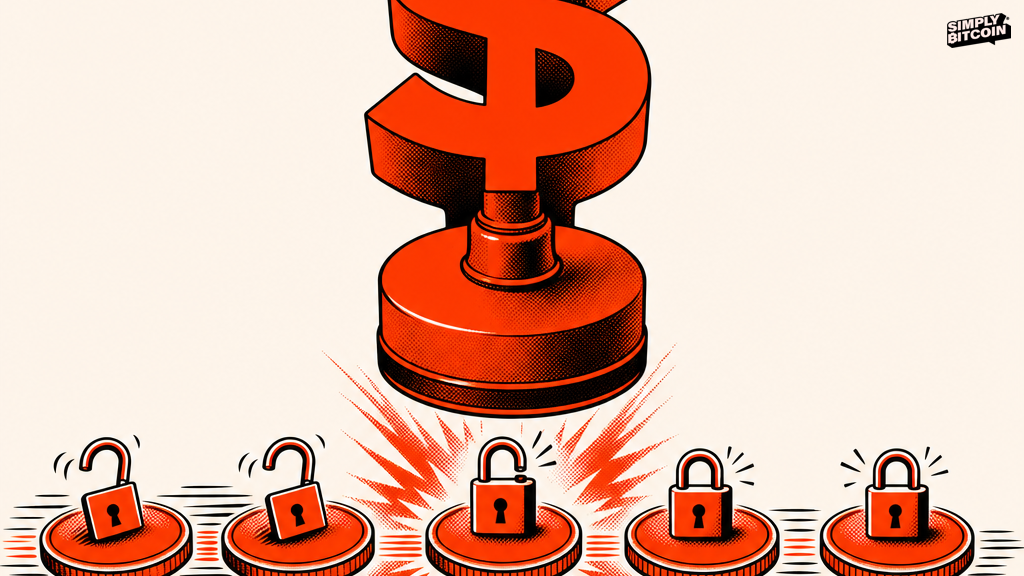
A stablecoin is not a bearer asset. It is an entry in a database that a company controls, and the company can rewrite that entry. Freezing a wallet, burning the tokens sitting in it, and reissuing clean ones to the rightful owner is a function built into the token's contract from day one, the same way a bank can claw back a fraudulent wire before it clears.
That is exactly why the freeze worked so fast. The issuer did not need a court order in the first hour. It needed a decision, and the decision was obviously correct. Nobody serious is arguing the thief should have kept $2.4 billion in stolen stablecoins.
THE LEVER POINTS BOTH WAYS
The $30.5 million frozen in this same hack by the Arbitrum Security Council is worth sitting with, because it did not come from Tether or Circle. It came from a committee attached to a network that markets itself as decentralized, acting exactly like an issuer the moment it decided to.
None of this makes a stablecoin a bad tool. It makes it a specific kind of tool, one where the holder trades a small amount of control for the issuer's ability to undo a mistake. A lever that can freeze a thief's wallet is, by the same mechanism, capable of freezing any wallet the issuer is ever asked to freeze. That is not a flaw hiding inside the design. It is simply what an issued asset is: money with a party responsible for it, for better and occasionally for worse.
WHAT BITCOIN TRADED AWAY TO GET THIS
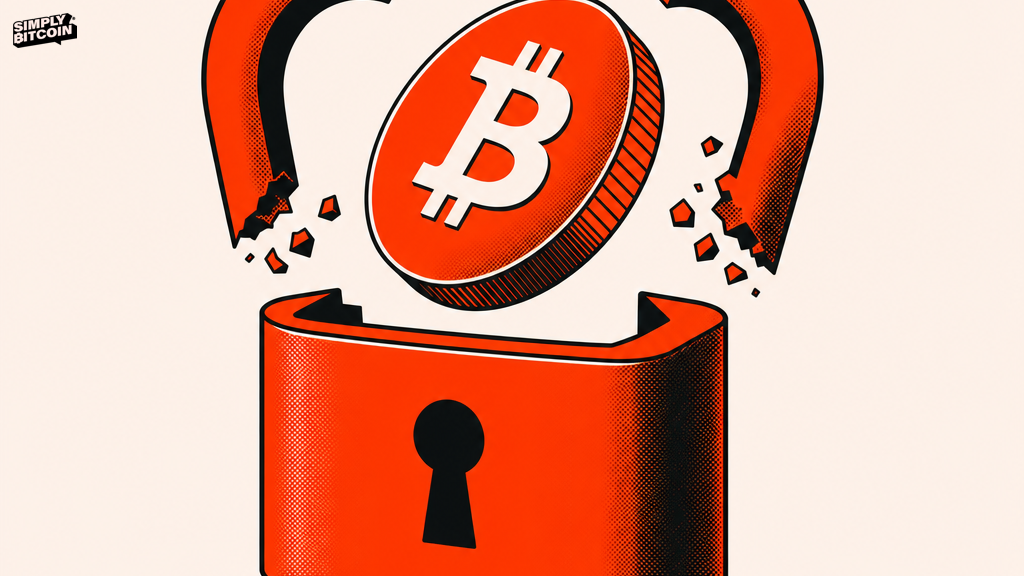
Bitcoin and ether offer the opposite trade. There is no company standing between the thief and the stolen coins, which is why nobody could claw the $2.4 billion back. There is also no company standing between you and your coins, which is why nobody can claw them back from you either.
A monetary asset that can be reversed out of a criminal's hands on a bad day can be reversed out of your hands on someone else's bad day too. You do not get the freeze without accepting that the freeze exists, and you do not get Bitcoin's immunity from that freeze without giving up the rescue that comes with it. The hack did not expose a weakness in Bitcoin's design. It priced the tradeoff in real dollars.
THE LADDER EVERYONE MISREADS
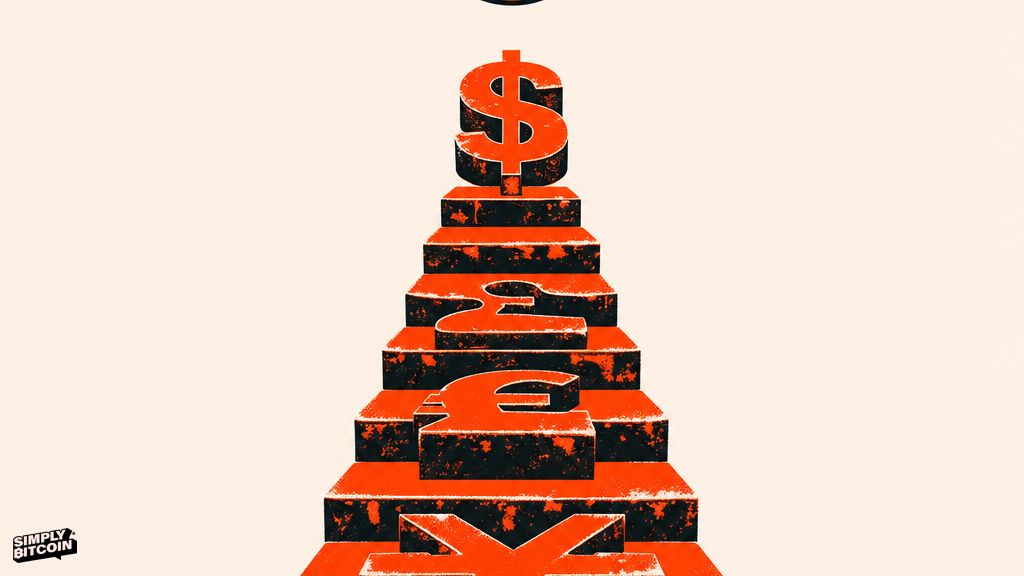
This is also why treating stablecoins as Bitcoin's rival gets the map backward. A stablecoin is a faster, cheaper dollar for someone whose own currency is being destroyed by their own central bank. It competes with the Argentine peso, the Nigerian naira, the Lebanese pound, not with Bitcoin. For millions of people, a dollar they can hold on a phone is a genuine upgrade over the money their government prints, freeze button included, because the alternative is certain, ongoing decay.
Bitcoin is not running in that race at all. It is not a better dollar, and it does not need to be. It is the only asset in the stack with no issuer to petition, no committee to lobby, and no freeze button for anyone to eventually find a reason to press. Stablecoins improve the currency you already use. Bitcoin removes the need to trust whoever issues it.
The hack did not prove stablecoins are unsafe or that Bitcoin is reckless. It proved the two are answering different questions. One answers how to get a dollar you can trust today. The other answers how to hold money nobody can ever reach. Twenty minutes and $6.3 billion made both answers impossible to ignore at the same time.


Daily Bitcoin news, analysis and interviews. New shows every single day.
Subscribe on YouTube