Gold Had 5,000 Years. Bitcoin Needed 15.
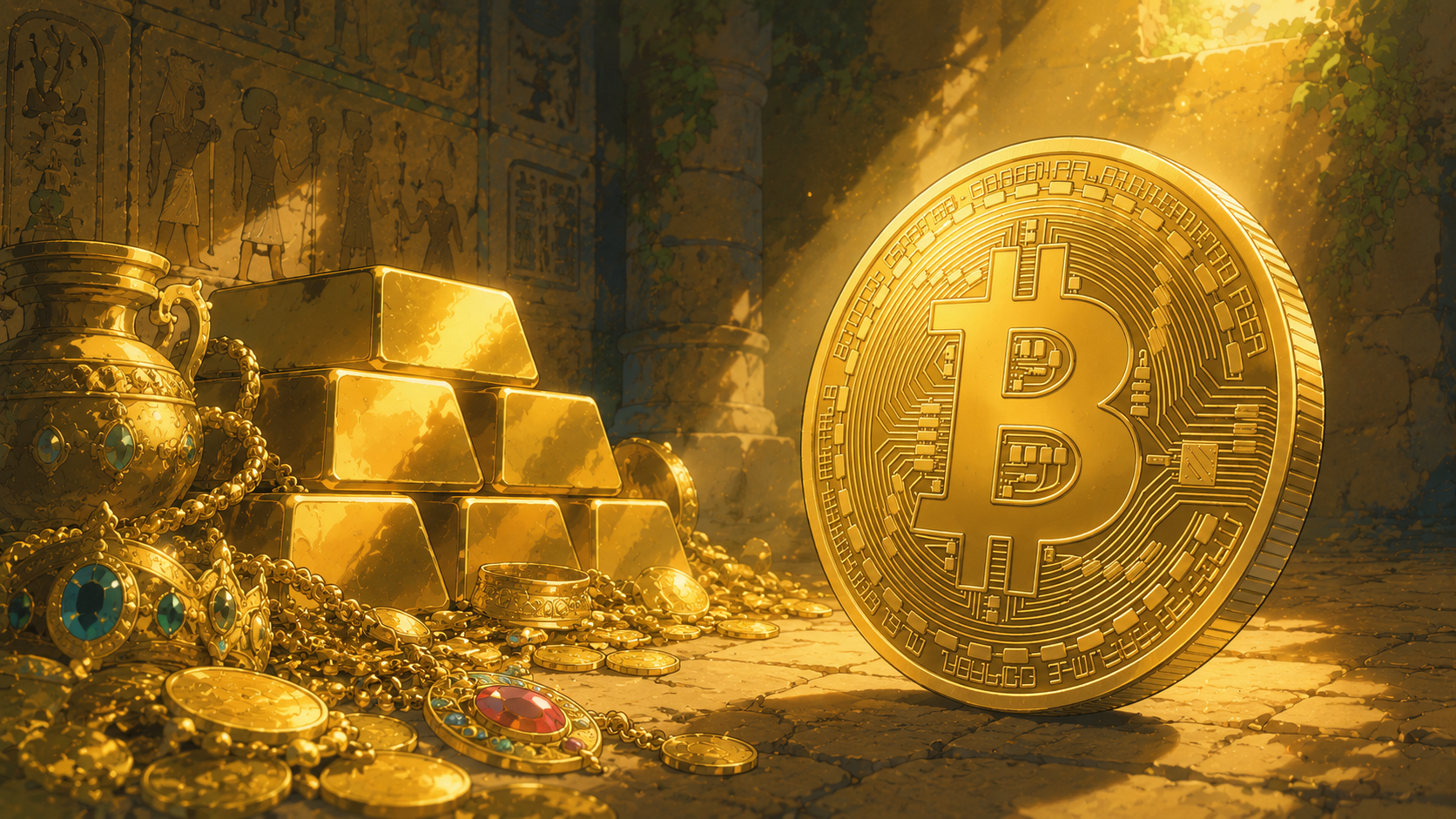
Humanity spent five millennia perfecting its best answer to the question of sound money. Gold won that competition because it was scarce, durable, and nobody could conjure more of it out of thin air. For thousands of years, it was the best store of value civilization had ever produced. Then, in 2009, a pseudonymous developer published nine pages of code and made gold obsolete.
Bitcoin does everything gold does, and it does most of it better, and a few things gold cannot do at all.
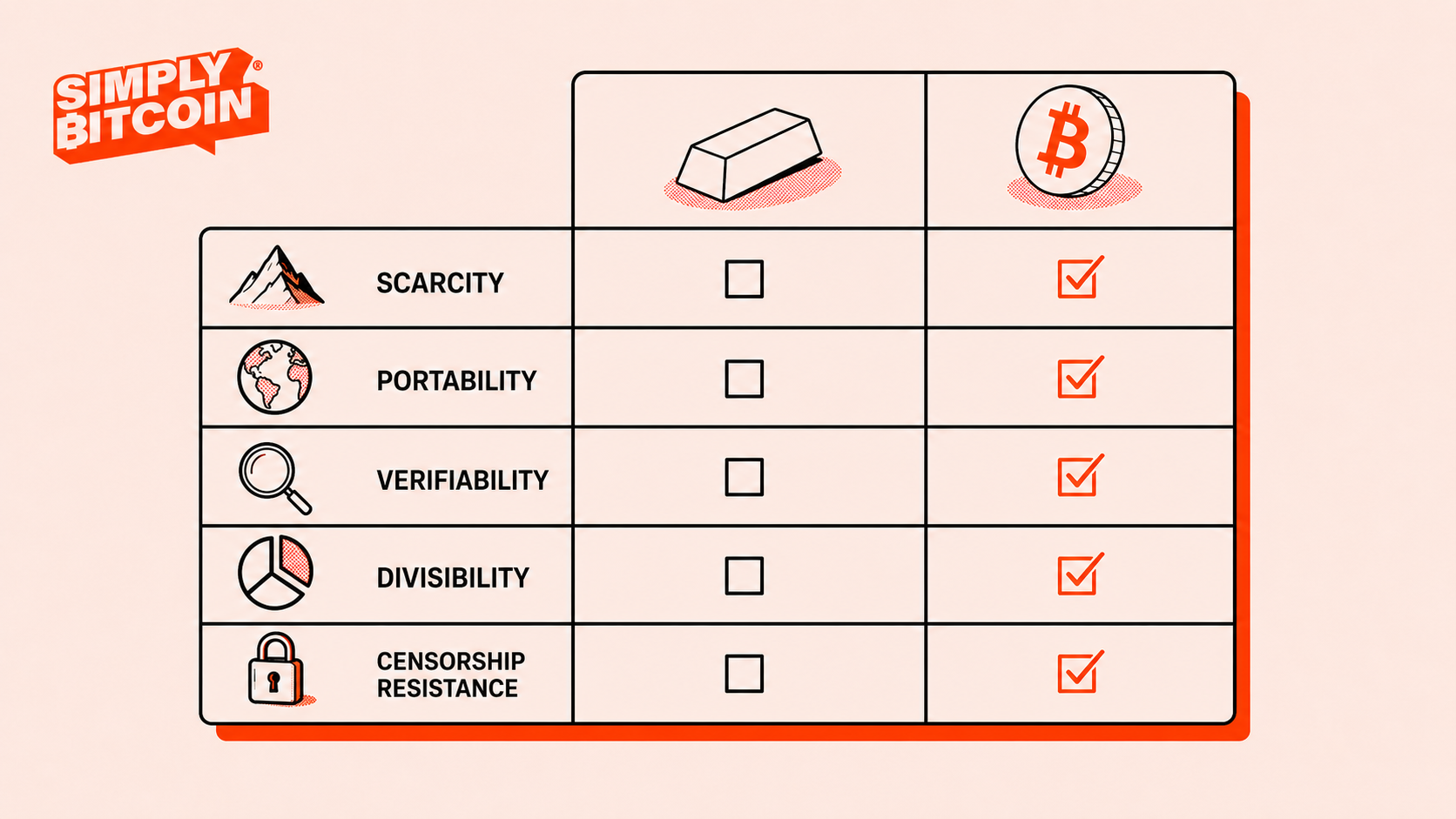
THE SCORECARD NOBODY ARGUES WITH
Start with scarcity. Gold's supply is controlled by physics, by geology, by how much energy miners want to spend pulling it out of the ground. That is a reasonably hard cap, but it is not a perfect one. Gold supply has grown by roughly 1.5 to 2 percent per year for decades, and if the price rises high enough, that rate climbs. Miners go deeper, they open new mines, they deploy new technology. The supply responds to incentives.
Bitcoin's supply does not respond to incentives. There will be 21 million bitcoin. Not 21 million and one. The protocol enforces this with mathematics, not with geology. No matter how many miners join the network or how much hash rate gets pointed at it, the issuance schedule stays exactly the same. That is not approximately fixed. It is precisely fixed, forever.
Scarcity: Bitcoin wins.
PORTABILITY IS WHERE GOLD BREAKS
Gold is heavy. Sending a meaningful amount across a border requires armored transport, insurance, brokers, counterparties, and days of logistics. For regular people, moving gold is not a practical option.
Bitcoin moves at the speed of the internet. You can send one hundred million dollars of bitcoin from your phone to someone on the other side of the planet in 10 minutes for a few dollars in fees. You can carry your entire net worth in your head, in twelve words, through any border checkpoint on earth. No armored truck. No customs form. No intermediary with the power to say no.
Portability: Bitcoin wins.
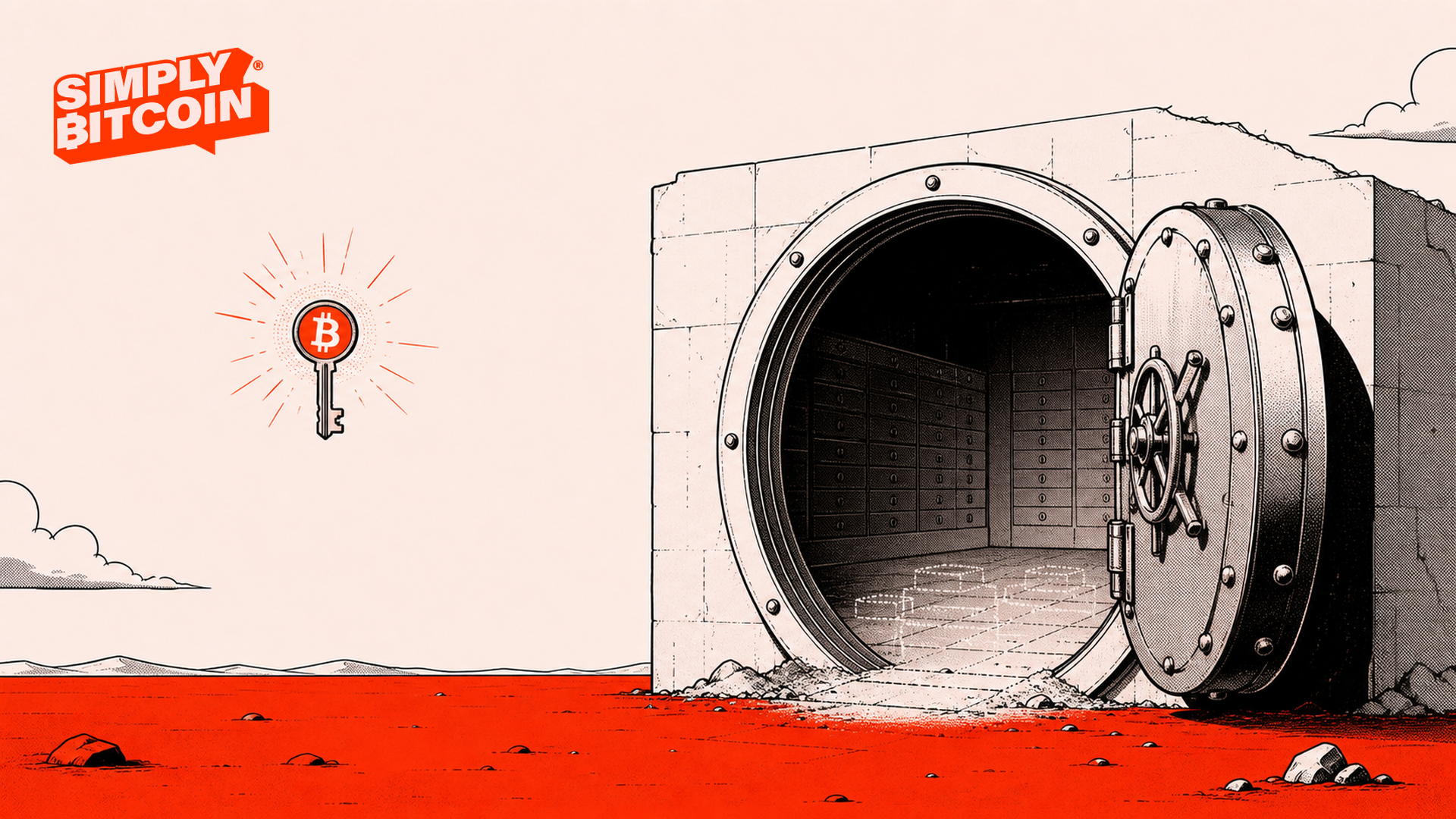
VERIFY EVERYTHING. TRUST NOTHING
Here is something most gold holders have never done: verify that their gold is actually gold. Gold can be tungsten-filled bars dressed in a thin coating of the real thing. Gold ETFs are audited by firms that have every incentive to sign off on documents they have not fully checked. When you buy gold from a dealer, you are trusting a chain of custody you cannot personally inspect.
Bitcoin is self-verifying. Run a node and you can confirm, with mathematical certainty, that every bitcoin you receive is real, that no transaction in history has ever created bitcoin out of thin air, and that the supply is exactly what the protocol says it is. You do not trust anyone. You verify. It’s the entire difference between sound money and faith-based money.
Verifiability: Bitcoin wins.
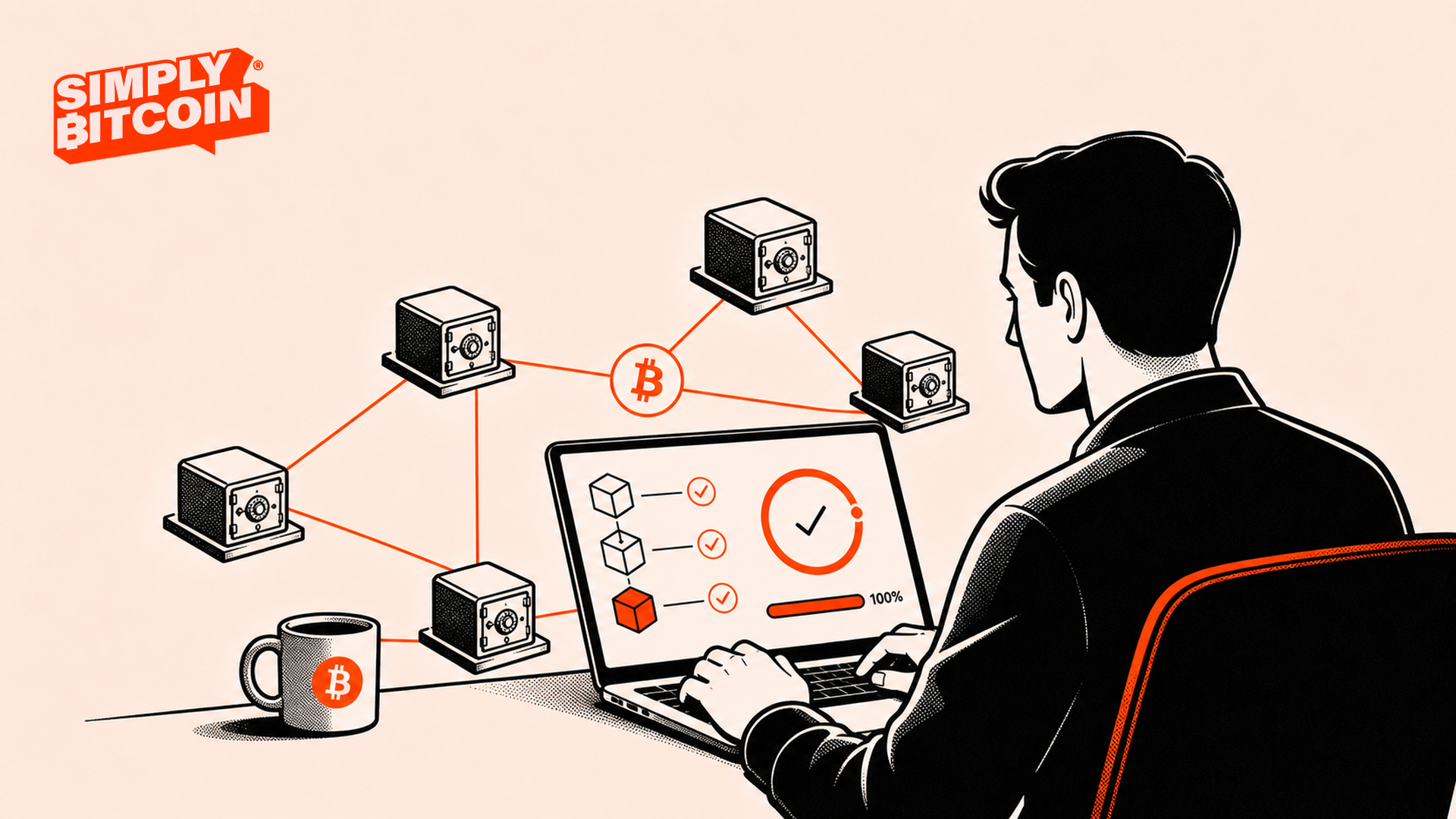
THE DIVISIBILITY PROBLEM
One troy ounce of gold is worth a lot. If you want to pay for a coffee with gold, you are dealing with sub-gram amounts that require specialized scales, assay verification, and counterparties willing to accept them. In practice, gold does not function as a medium of exchange for everyday transactions.
One bitcoin is divisible into 100 million units, called satoshis. You can send one satoshi to anyone in the world with an internet connection. As the Lightning Network extends Bitcoin's reach into everyday payments, those satoshis flow instantly, globally, with fees measured in fractions of a penny. The money that was designed for vaults is now being used for coffee, for freelance payments, for remittances to family in another country. Gold cannot do this.
Divisibility: Bitcoin wins.
CENSORSHIP RESISTANCE
In 1933, Franklin D. Roosevelt signed Executive Order 6102, which made it illegal for Americans to own gold. Citizens were required to hand it over to the Federal Reserve at a fixed price. Hundreds of thousands of ounces of private gold were confiscated. The government had the physical ability to do this because gold, by its nature, is hard to hide and impossible to send across a border undetected at scale.
Bitcoin has no such vulnerability. Twelve words in your head cannot be confiscated at a checkpoint. A key stored on a steel plate cannot be frozen by a court order directed at your exchange. The ability to take true self-custody of bitcoin means no executive order can remove it from your possession without your cooperation.This is one of the most important properties Bitcoin has, and it is one gold has never been able to offer.
Censorship resistance: Bitcoin wins.
GOLD'S ONE REMAINING ADVANTAGE
Gold has five thousand years of track record. It has survived empires, wars, hyperinflations, and technological revolutions. Billions of people around the world recognize it as valuable without needing to understand the technology behind it. That cultural weight is real, and Bitcoin does not have it yet.
But cultural weight is a function of time. Bitcoin is fifteen years old. Gold had millennia to accumulate its reputation. Every year that passes, Bitcoin's track record grows. Every cycle that completes, the argument that this is a passing fad becomes harder to make. Every institution that adds bitcoin to its treasury, every nation-state that makes it legal tender, every developer who builds on top of it, adds another layer to the foundation.
Gold's five-thousand-year head start is shrinking. Bitcoin is compressing that timeline with the speed of the internet.
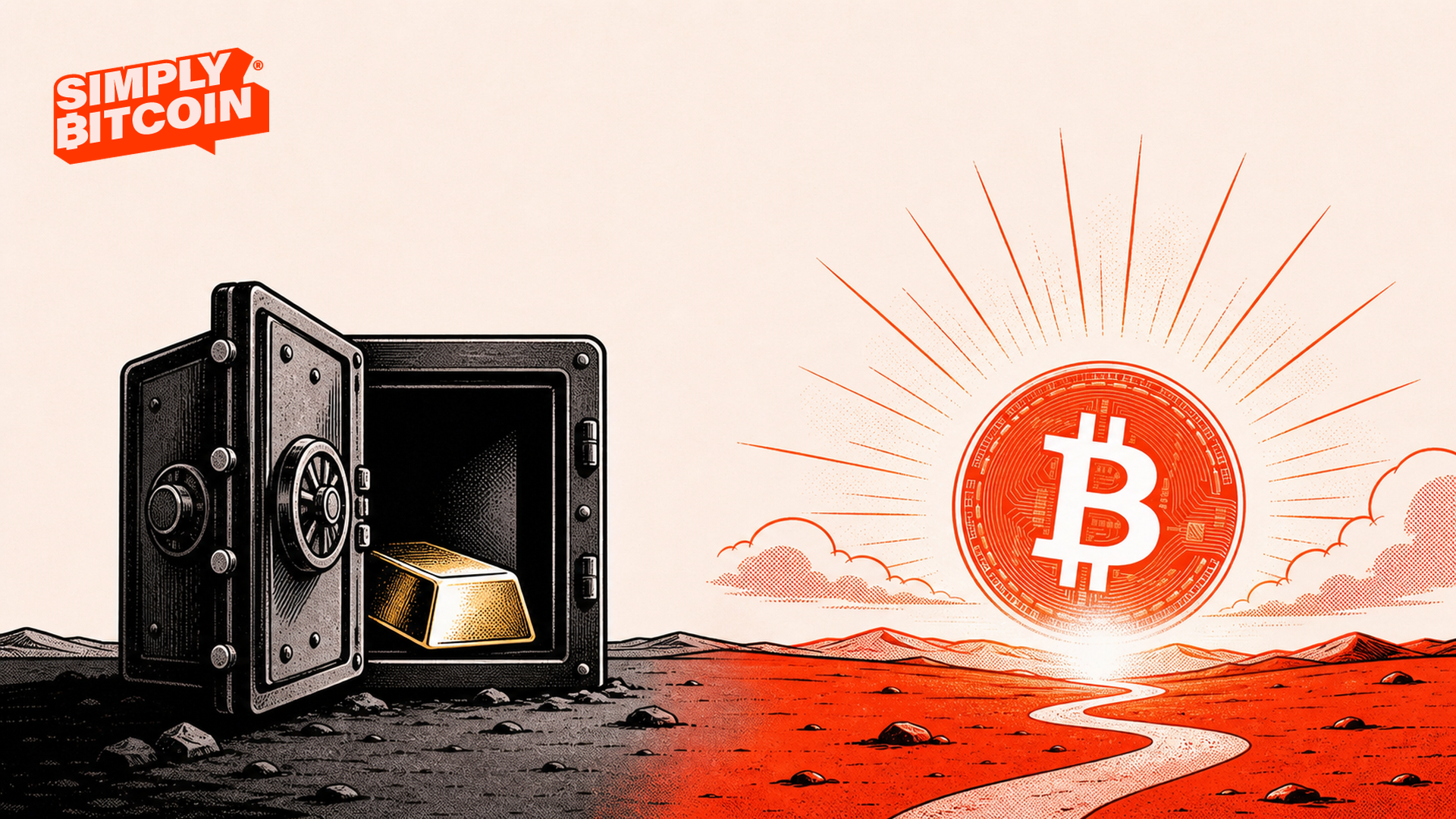
THE CONCLUSION IS ALREADY WRITTEN
Bitcoin is not the digital version of gold. Bitcoin is a superior form of the thing gold was trying to be. It is scarcer, more portable, more verifiable, more divisible, and more resistant to confiscation than any physical asset in history. Bitcoin did not arrive to compete with gold. It arrived to win.