
Every Stolen Bitcoin Becomes A Confession

Steal a million dollars in cash and the trail goes cold the moment the bag changes hands. Steal a million dollars in Bitcoin and the trail never goes cold at all. It just sits there, public, permanent, waiting.
THE LEDGER THAT NEVER BLINKS
Every Bitcoin transaction ever made is written into a ledger that anyone can read, forever. There is no back office to quietly correct, no internal record that only the bank can see. The chain does not forget, and it does not negotiate.
That single design choice changes what theft even means. In most of the financial world, hiding stolen money is a matter of moving it through enough opaque hands that the trail simply ends. In Bitcoin, the trail cannot end. It can only get longer.
CASH DISAPPEARS. BITCOIN DOESN'T.
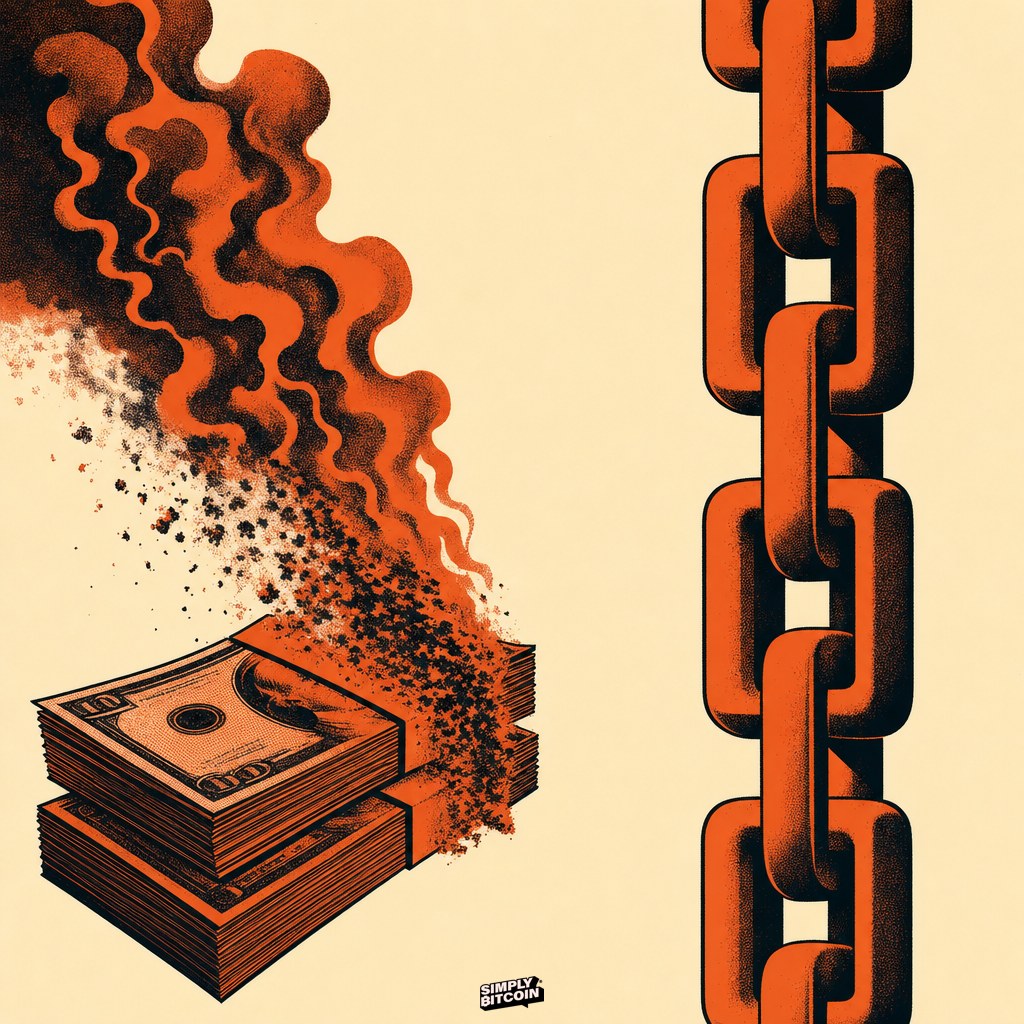
A stack of stolen bills can be spent, buried, or burned, and the record of where it came from goes with it. Wire it through a shell company or two and even a paper trail becomes a maze regulators struggle to walk.
Bitcoin offers no such mercy to the thief. The coins carry their entire history with them, block by block, from the moment they were mined to whatever address holds them right now. There is no version of Bitcoin where the money simply vanishes into the system.
THE MOMENT OF MOVEMENT IS THE MOMENT OF EXPOSURE
A thief holding stolen Bitcoin is holding an asset that becomes more dangerous to use with every passing year, not less. The moment those coins move, whether to an exchange, a mixer, or a merchant, the world is watching, and the world remembers where they started.
Timing analysis, amount correlation, and behavioral patterns frequently allow investigators to link mixer inputs to specific outputs, especially when the perpetrator makes a mistake. Every hop is a new chance to be seen, and there is no hop that erases the ones before it.
The critical breakthrough in most investigations occurs when stolen funds arrive at a centralized exchange, where they can potentially be frozen. Cash out anywhere with a compliance department and the thief has effectively signed the ledger with their own name.

WHY HIDING IS HARDER THAN STEALING
Pulling off a hack takes skill. Living with the proceeds takes something far harder: a plan for money that can never quietly disappear. Sophisticated actors know this, which is exactly why so much stolen Bitcoin sits untouched for years rather than being cashed out fast.
That patience is not innocence. It is an admission that the ledger has already won the first round. The coins are radioactive the instant they are stolen, and no amount of technical skill changes the fact that they are being watched by an entire industry built for nothing else.
THE PATIENCE OF THE CHAIN
Traditional finance measures accountability in days or weeks. A fraud case gets old, evidence disappears, memories fade, and eventually the trail is simply gone. Bitcoin measures accountability in the same units it measures everything else: forever.
A dormant address is not a closed case. It is an open one, sitting in plain view, waiting for the day the person holding it makes a single mistake. The chain does not need to catch a thief today. It can wait as long as it takes, and it never loses the file.
THE CONFESSION IS BUILT IN
This is the part critics of Bitcoin rarely reckon with. They imagine a system with no rules as a criminal's dream, when the opposite is true. A network with no gatekeepers but total, permanent transparency is one of the worst possible places to hide a crime, because hiding requires forgetting, and Bitcoin was built never to forget.
Every theft becomes a public record the thief cannot edit. Every address becomes evidence that outlives the news cycle, the investigation, and often the thief's own patience. The ledger does not need to catch anyone by force. It only needs to remember, and it always does.