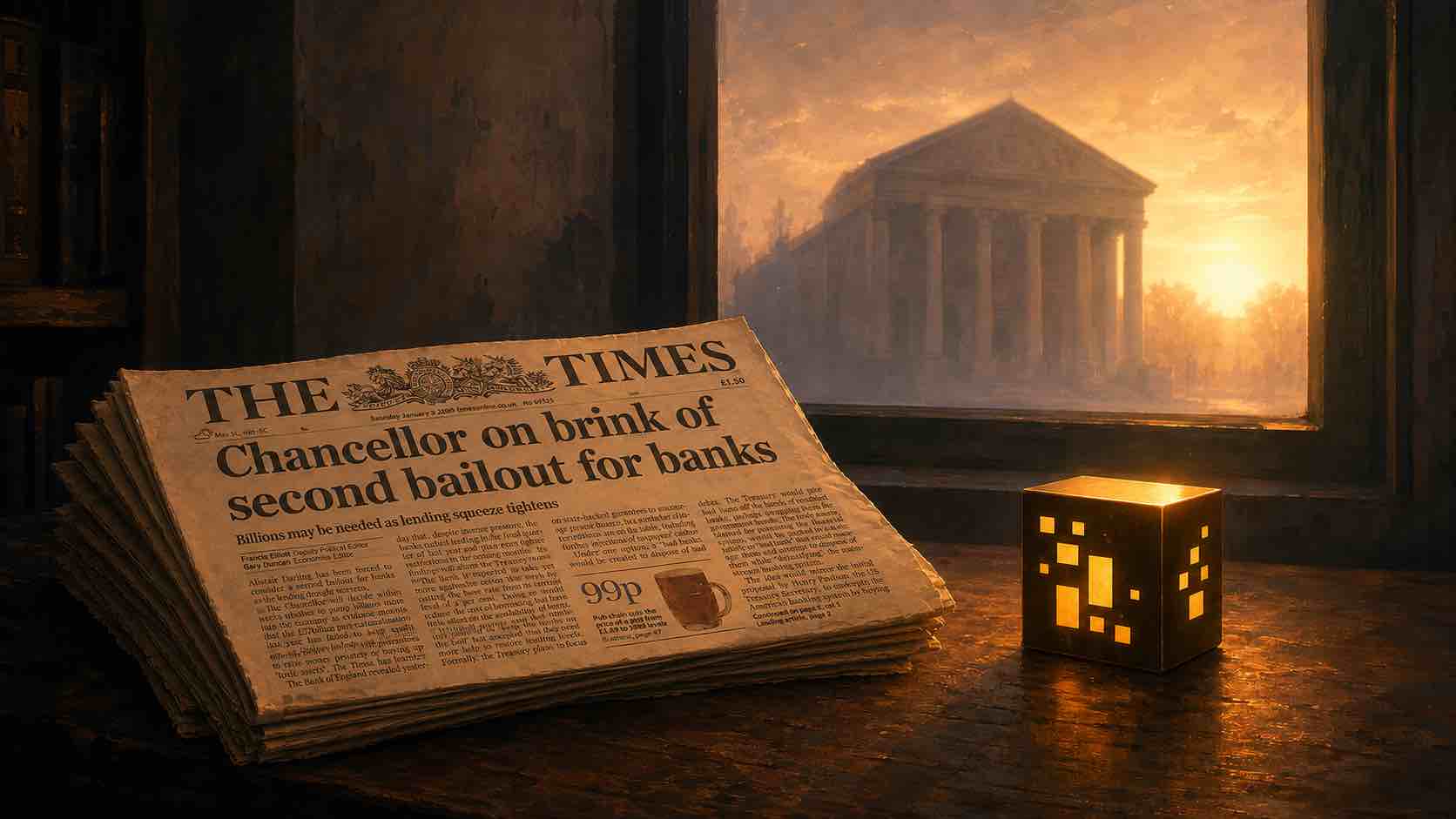
Bitcoin Is the Bank Account Billions of People Never Had
The conversation in the West goes like this: Bitcoin is a hedge against inflation. A store of value. An alternative to a system that still mostly works for you, just less well than it used to.
That framing misses the bigger story by a mile.
For two billion people on this planet, there is no system that works. No bank account. No savings instrument. No stable currency. No way to hold value across time without watching it dissolve. Bitcoin isn't a hedge for those people. It's the entire infrastructure.
The Unbanked Problem is not a Policy Problem
Governments and NGOs have spent decades trying to bring banking to the unbanked. Billions of dollars. Endless initiatives. Mobile money. Microfinance. Financial inclusion summits.
The fundamental problem has not been solved.
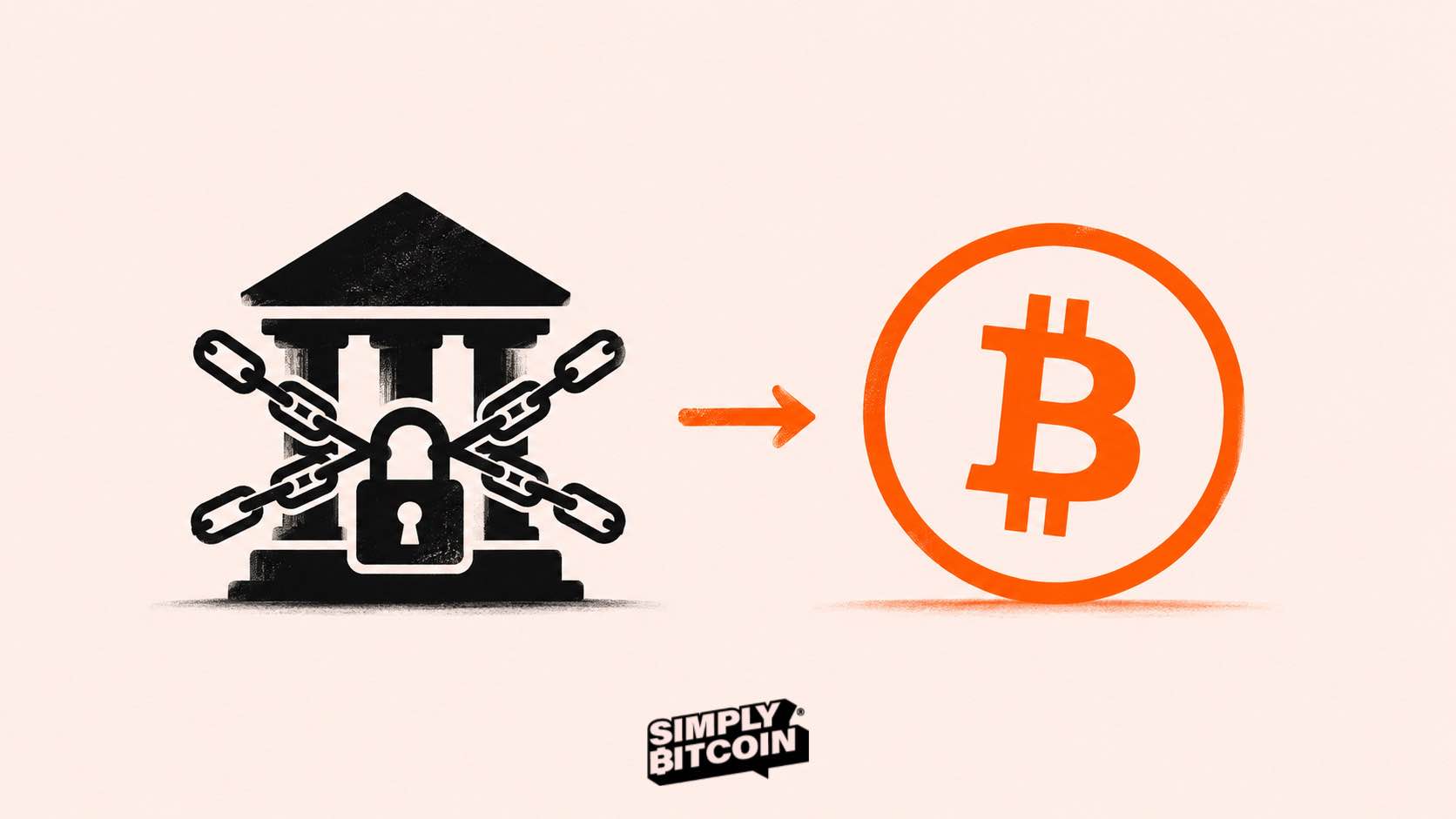
You know why? Because the tools being offered are the same tools that failed in the first place. They require permission. They require ID documents millions of people don't have. They require trust in institutions that have a long track record of seizing, freezing, and devaluing.
The problem was never access. The problem was trust.
Bitcoin solves the trust problem. Not with a new institution. With mathematics.
What Hard Money Actually Means for the Rest of the World
Nigerians watched the naira lose over 60% of its value in a single year. Argentines have learned to price in dollars because the peso is a joke. Lebanese woke up one morning to find their bank accounts frozen.
These are not edge cases. These are lived realities for hundreds of millions of people.
When Westerners debate Bitcoin's price action, people in Caracas are figuring out how to get out of bolivars before their wages evaporate. When Twitter argues about volatility, a small business owner in Harare is wondering whether to hold cash or buy goods immediately before prices change again.
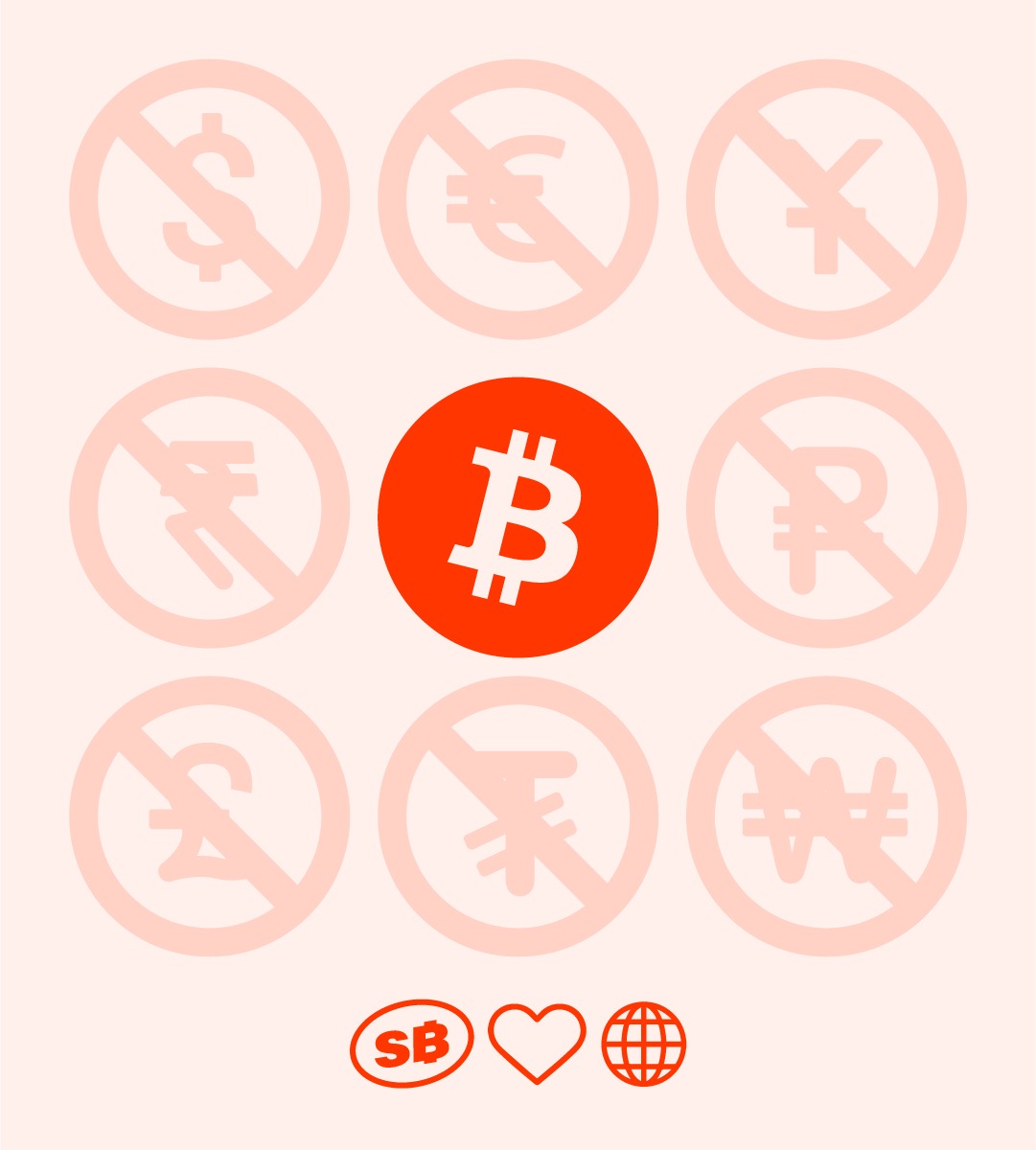
Bitcoin might seem volatile in dollar terms. It is the most stable monetary asset available in naira terms, bolivar terms, and lira terms. Context matters.
Hard money is not a luxury for the developing world. It is survival infrastructure.
Permissionless is the Point
Here is what Bitcoin lets you do that no traditional financial system allows.
Open a wallet with no ID. No credit check. No minimum balance. No bank branch within 50 miles required. No approval from anyone. You need a phone and an internet connection. In some setups, you don't even need that.
Send value across a border instantly. No correspondent bank. No wire fee eating 10% of a migrant worker's remittance. No three-day wait. No arbitrary hold on "suspicious" transfers to family in another country.
Hold savings that cannot be confiscated by a government that decides your assets are inconvenient. Cannot be inflated away by a central bank that answers to no one you voted for.
This is not a feature list for tech enthusiasts. This is a survival toolkit for people living under failed monetary systems.
Bitcoin doesn't ask where you're from, nor does it ask who gave you permission.
Bitcoin is for everyone!
The Sovereign Individual Story is a Global One
The Bitcoin community sometimes tells this as a Western story. A story about freedom from the Fed. About opting out of a system you were born into.
That story is real. But it is the small version.
The large version is what happens when billions of people who have been locked out of any real monetary system suddenly have access to the hardest money ever created. No gatekeepers, no application and no rejection letter.
Bitcoin doesn’t care that your country's central bank is corrupt, or that your government has a history of seizing savings. Your credit score, your passport, your zip code don’t matter.
The rules apply equally, every single time. For everyone.
That is not just a financial innovation. It’s a civilizational one.