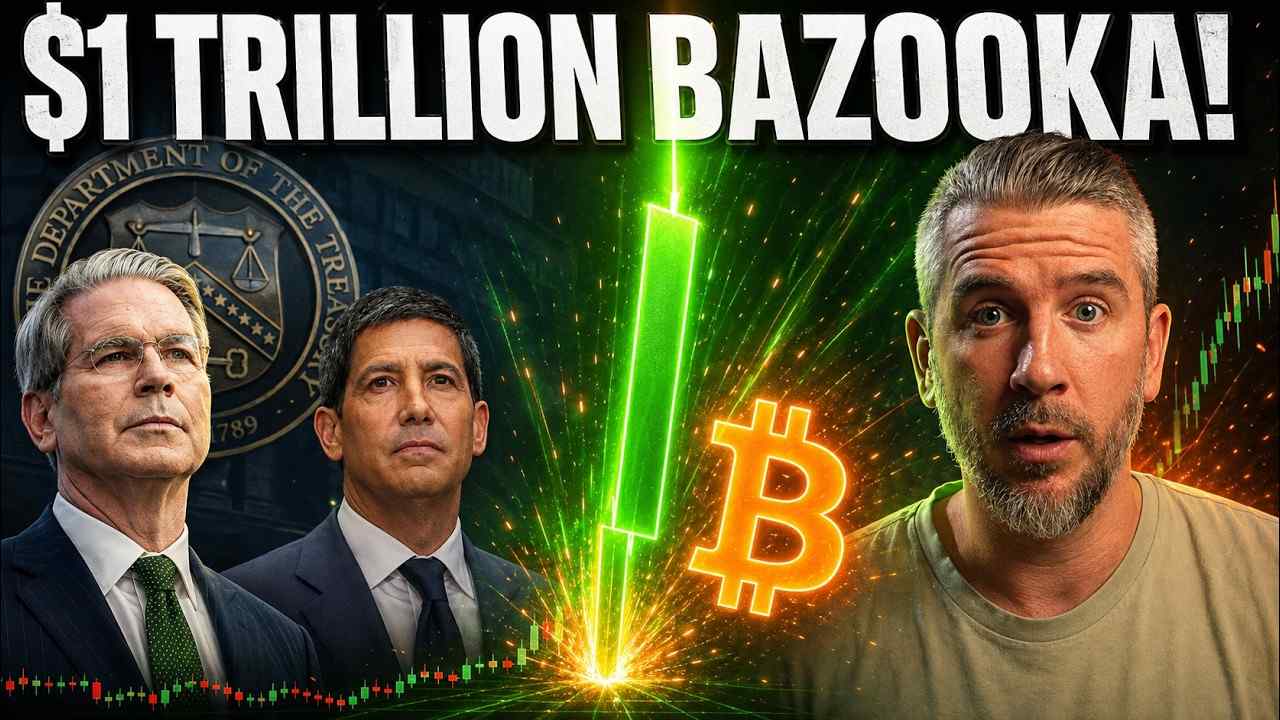
You Verify The Ledger. You Still Trust The Headline.

A headline said El Salvador had given up on Bitcoin. It took less than a day to fall apart, and the way it fell apart says more about how information moves than the story itself ever did.
THE HEADLINE THAT OUTRAN THE FACTS
Bloomberg reported that President Nayib Bukele's government was backing a new app called Sivar, built by a startup named Modveon, to move stablecoins over Coinbase's Base network for remittances. Readers who stopped at the headline came away with a simpler story: Bitcoin country was quietly swapping Bitcoin for stablecoins.
El Salvador's National Bitcoin Office called that framing fake news within hours and repeated what had already been public since the government sold the Chivo wallet to a private operator: no plans for a state bitcoin, crypto, or stablecoin wallet of any kind. Sivar is a remittance app built by a private company. The treasury is a separate thing entirely, and the two got collapsed into one sentence because one sentence travels better than two.
Modveon's own chief executive told Bloomberg that the government "keeps embracing Bitcoin when it comes to treasury and as a store of value," and that the stablecoin push was about moving money, not about what the treasury holds. That distinction got dropped somewhere between the interview and the headline, because a reversal story is more shareable than a nuance.
THE PART THAT WAS ALREADY PUBLIC
Here is what makes the episode strange. El Salvador has bought roughly one bitcoin a day since November 2022, through a bear market, a bull market, and an IMF deal that stripped Bitcoin of legal tender status without ever touching the buying. A public reserve tracker launched in 2024 logs every one of those purchases on chain, in real time, for anyone with an internet connection.
The claim that the treasury was being abandoned was checkable in the time it takes a page to load. Nobody had to trust the Bitcoin Office's statement or Bloomberg's framing. The ledger itself was sitting there, updating daily, saying the opposite of the headline. The correction did not require a source. It required a click.
VERIFY WAS NEVER A SLOGAN
A bank balance is a number someone tells you. Four digits on a screen, and you trust that the institution behind them is solvent, that the ledger matches what they claim, that the promise holds. There is no way to check it yourself. You take the bank's word or you take your chances.
A bitcoin balance is different in kind, not just in degree. Anyone can run a full node, download the entire transaction history, and confirm for themselves what a given address actually holds. Confirmation does not come from a press release or a bank officer's word. It comes from thousands of independent computers agreeing on the same history, a block at a time, and anyone can download that software and check the agreement personally. The phrase don't trust, verify exists because Bitcoin is the first monetary ledger where verification replaces trust as a structural feature, not a courtesy.
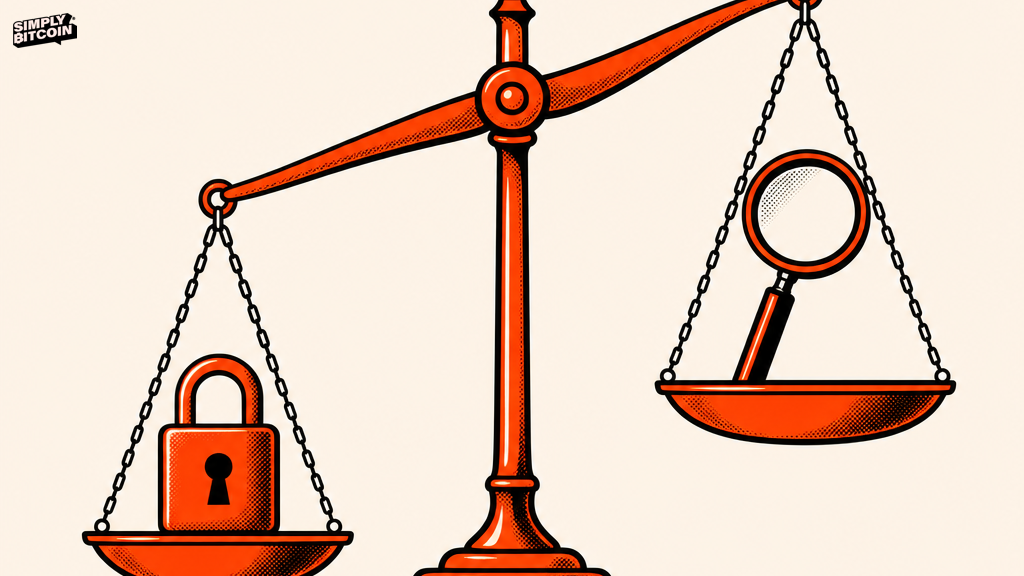
THE DISCIPLINE STOPS AT THE PROTOCOL'S EDGE
And yet the same instinct that makes a Bitcoiner demand a full node before trusting a balance will accept a headline about Bitcoin without opening a second tab. The claim about El Salvador spread through timelines full of people who would never run a wallet they couldn't audit, repeating a story they never audited at all.
Picture the actual moment. A headline lands, it says Bitcoin country quit Bitcoin, and the instinct is to feel something before checking anything: betrayal, vindication, panic, depending on which side of the argument a reader sits on. That feeling arrives faster than the click it would take to open the tracker, and for a lot of people it wins the race.
That is not hypocrisy so much as a gap nobody has closed yet. Verification is a habit Bitcoin forces onto the money. It does not automatically extend itself to the news about the money. The discipline has to be chosen again, every time, outside the protocol, where nothing forces it.
THE CLAIM ALWAYS GETS A HEAD START
This is also how the old system survives. An institution does not need anyone to disbelieve the correction. It only needs the first version to move faster than the second one, long enough to shape what people remember. A bank counts on you trusting the number on the screen instead of asking what backs it. A wire service counts on you trusting the headline instead of asking what it actually reported.
Bitcoin's entire pitch is that nobody should have to extend that kind of trust to anyone about anything that matters to their money. The reserve tracker is proof the pitch works when people use it. A headline that outran it by a full day is proof the habit of checking has not caught up to the tool that makes checking possible.
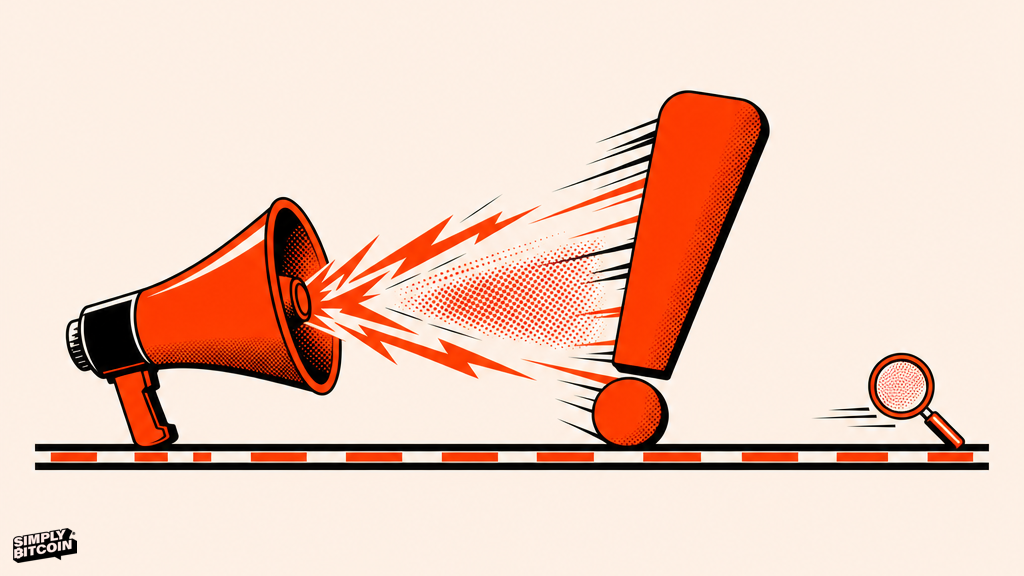
The ledger updates every day whether anyone looks at it or not. The real question this episode raises is not whether El Salvador still buys Bitcoin. It already answered that, in public, on chain, before Bloomberg ever filed. The question is why so many people who could have checked in ten seconds chose to argue instead.