You Can Vote Against A War. You Cannot Vote Against How It Gets Paid For.
In May 2025, India and Pakistan spent four days firing missiles and dropping bombs at each other. Both sides claimed jets shot out of the sky. Both governments called the outcome a victory. Neither population was ever asked how any of it would get paid for.
That is not an oversight. It is how war finance has worked for over fifty years, almost everywhere, and the bill it leaves behind lands somewhere very different from the battlefield.
THE BILL NO ONE SIGNED
No referendum asks permission before a treasury writes a check for war. The decision gets made in a briefing room, the money gets borrowed by the afternoon, and the bill arrives years later addressed to nobody in particular, because it is addressed to everybody who has no choice but to hold the currency.
You can march. You can vote out an administration. You can write to your representative. None of it touches how the fighting actually gets financed, because the financing decision was never put to anyone in the first place. It happens upstream of the ballot, in a room the ballot does not reach.
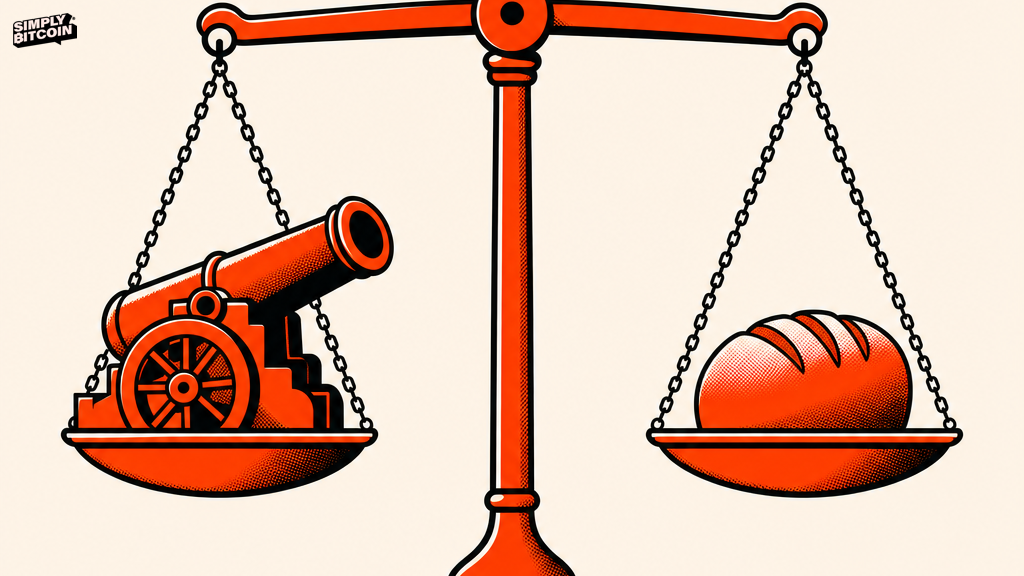
THE OLD RULE: GUNS OR BUTTER, PICK ONE
That arrangement is newer than it feels. When a nation's money was tied to a metal it could not conjure on command, a war had to be paid for honestly, in public, while it was happening. Taxes rose visibly. Bonds were sold door to door. Rationing showed up on a dinner table, not in a footnote.
By 1971, Vietnam spending on top of a decade of domestic programs had pushed the United States past what its gold reserves could honestly back. Nixon did not cut the spending. He cut the dollar loose from gold instead, and the rest of the world's currencies followed it off the anchor within two years. The war did not get cheaper. It got easier not to notice the price, because the price stopped being collected up front.
FIAT REMOVED THE CHOICE
Once a currency answers to no metal, no fixed supply, nothing scarcer than a keyboard entry, the guns-or-butter choice disappears. A government can fund both, indefinitely, by borrowing against people who have not been born yet and repaying them later in a currency worth less than the one it borrowed.
Inflation is how that bill actually gets collected. It does not knock on a door or mail a form. It quietly takes a little more purchasing power from every saver, every wage earner, every retiree on a fixed income, none of whom were anywhere near the room where the war got funded.
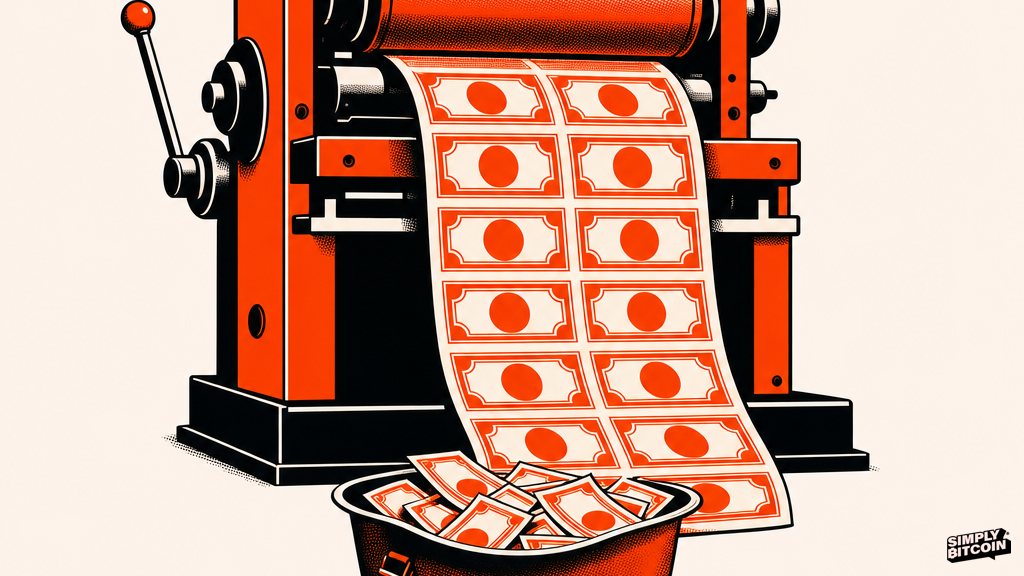
THE DEBT DOESN'T ASK WHO WON
India and Pakistan paid for their jets, missiles, and air defense systems the way every modern military does, on borrowed money. The debt gets serviced through the currency. The currency gets diluted when the bill comes due, regardless of which side claims victory or simply claims survival.
That is the part a ceasefire does not end. The fighting stopped after four days. The financing of it keeps showing up in both countries' money supply for years after the headlines move on, landing on people who never fired a shot and were never asked whether the fight was worth what it would eventually cost them.
AN ASSET THAT CANNOT BE CONSCRIPTED
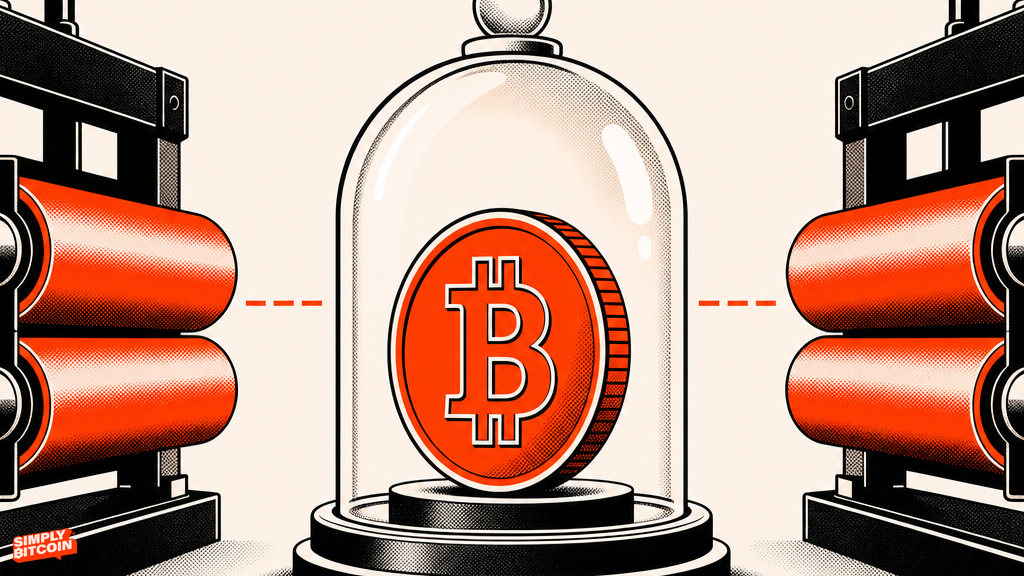
Bitcoin's supply does not answer to a finance ministry. Twenty one million was fixed before any of this fighting started, and no emergency session changes it. A state can tax a Bitcoin holder. It can regulate an exchange. It cannot quietly dilute a cold wallet the way it dilutes a bank balance, because there is no lever marked print more that reaches it.
That does not make war impossible. States have always found a way to fund the fights they want. What it removes is the easiest way to fund one: the invisible way, where the cost gets spread across a currency nobody ever had to approve spending in the first place. A saver holding Bitcoin instead of cash is holding something a war cannot quietly bill.
THE CONFLICT NOBODY LIKES ADMITTING
Here is the uncomfortable part. Every war financed this way, every round of debt that eventually gets inflated away, makes the one asset that cannot be diluted more valuable. That is not a reason to root for conflict. It is an observation about what kind of asset a debt-financed, war-prone monetary system was always going to reward.
Sitting with that discomfort is more honest than pretending it is not there. The point was never to profit from someone else's war. It is to stop being the one who automatically pays for wars you never voted on, using savings you never agreed to debase.