
You Can Subsidize A Price. You Cannot Subsidize The Work.

Diesel just did something no press release could talk it out of. The national average price hit $6.285 a gallon this month, up more than thirty cents in a single week, the highest number in the history of the government's own tracking. It did not spike because of a rumor. It spiked because the fuel was not there.
The same week, Bitcoin climbed back above $80,000. The establishment will tell you these are two unrelated charts: one a fuel problem, the other a speculative asset doing its thing. They are not unrelated. Both are showing you what happens when a real cost meets a system built to hide costs.
THE PRICE THAT COULDN'T HIDE
A currency price can be argued with. A trading desk can hedge it, a central bank can talk it down, a headline can smooth it over for an afternoon. A barrel of diesel cannot be argued with. It either reaches the truck or it doesn't, and no amount of confident commentary changes which one happened.
That is what makes diesel different from almost every other number in the financial press. It is not a sentiment reading. It is a delivery record. When refineries run near their ceiling and reserves sit below their seasonal floor, the price is not opinion. It is the system telling you exactly how much room is left.
You do not need to own a diesel truck to have a diesel problem. Diesel touches nearly every step between a farm and a shelf: the equipment that plants the crop, the truck that hauls the harvest, the delivery that stocks the store. When ExxonMobil's Joliet, Illinois refinery went dark this month after a power failure, that was not a headline about one company's bad week. That was one more link in a chain with almost no slack left.
THE OLDEST TRICK IN THE PLAYBOOK
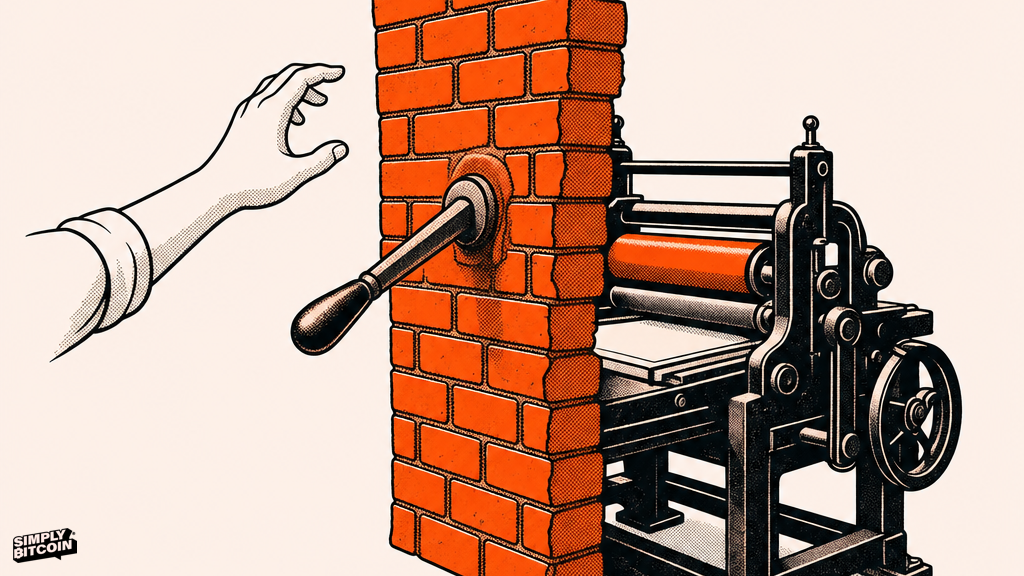
When a price like that gets uncomfortable, the political instinct is always the same: make the number smaller. A subsidy pays down what the buyer sees. A price cap freezes the sign outside the gas station. An export ban keeps the barrels home. An emergency reserve release puts more gallons on the market today than existed there yesterday.
None of these create fuel. Every one of them borrows against a future that has to pay the difference. A subsidy still needs a payer, just not the one standing at the pump. A cap does not conjure a gallon into existence, it only hides the gallon that isn't there. A reserve release spends a buffer that somebody has to refill later. The relief is real. It is also rented.
THE SAME SCRIPT, DIFFERENT COMMODITY
Currency intervention runs the identical play with an easier tool. Oil requires drilling, shipping, and a working refinery. Money requires a keystroke. Since the dollar's last physical anchor was cut loose in 1971, every uncomfortable financial number has had the same fix available: create more of the thing that measures the problem, then call the resulting calm a recovery.
A currency intervention doesn't settle an imbalance any more than a price cap fills a tank. It just moves the discomfort somewhere less visible, usually into a future bill nobody has opened yet. That is the trade a fiat system is always making: pay in currency you can print now, or pay in the good you cannot print later. Diesel is what happens when that second bill comes due while the first one is already overdue.
WHAT MAKES A COST REAL
Bitcoin was not built to fix diesel markets, and it holds no claim on a barrel sitting in a tank somewhere. But it was built on the same physical honesty diesel just demonstrated: a cost that cannot be talked down, only paid.
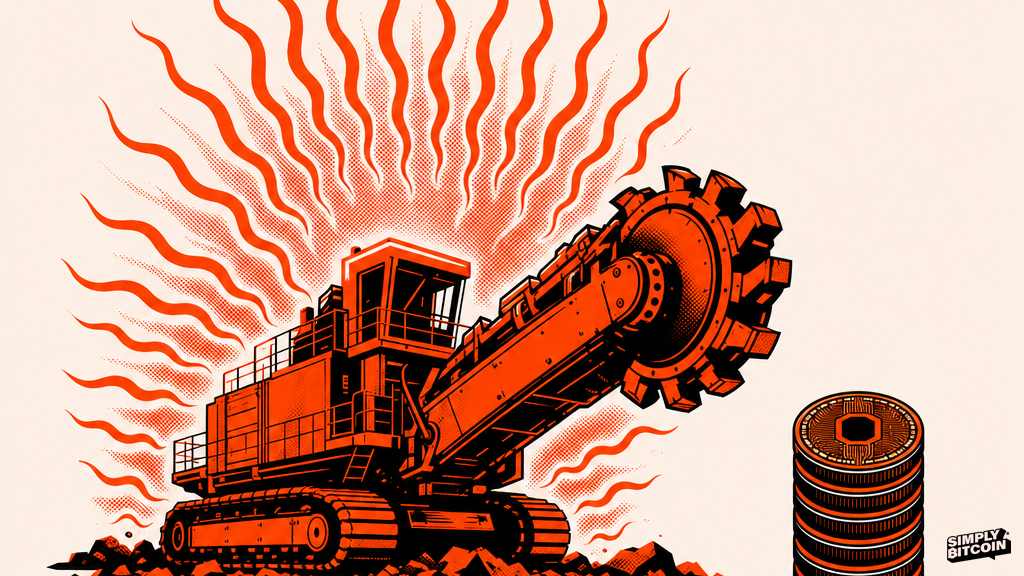
Every block on the network is bought with electricity machines actually burned, computation that actually happened, on hardware sitting somewhere drawing real power off a real grid. There is no version of a block that gets produced more cheaply because a regulator wished it so. The work is the cost, and the cost is the proof.
NOBODY CAN SUBSIDIZE THE WORK
Here is the difference that matters. A government can subsidize a diesel price. A central bank can print its way around a shortage of dollars. Neither can subsidize a hash. There is no keystroke that produces a valid block, no reserve release that lowers the difficulty, no export ban that makes the next ten minutes of work cheaper than it actually is.
Raising the cost of energy does not raise Bitcoin's supply the way it raises the price of everything diesel touches. Twenty one million stays twenty one million whether electricity is cheap or brutal. The energy market can punish an inefficient miner. It cannot touch the cap. That separation, cost on one side and supply on the other, is the thing no fuel subsidy, no price control, and no currency intervention has ever managed to build.
THE HONEST SCALE
Diesel spiked this month because the physical world stopped taking IOUs. Somewhere in the chain between the crude and the truck, a link broke, and no policy statement could weld it back together fast enough to keep the price where officials wanted it.
Bitcoin's hash rate runs the same test every single day, just without needing a shortage to prove it. It is a cost nobody gets to subsidize, defer, or paper over with the next intervention. Diesel told the truth this month because it had no choice. Proof of work tells the truth by design.