The Remittance Industry Charges a Tax on Poverty. Bitcoin Ends It.
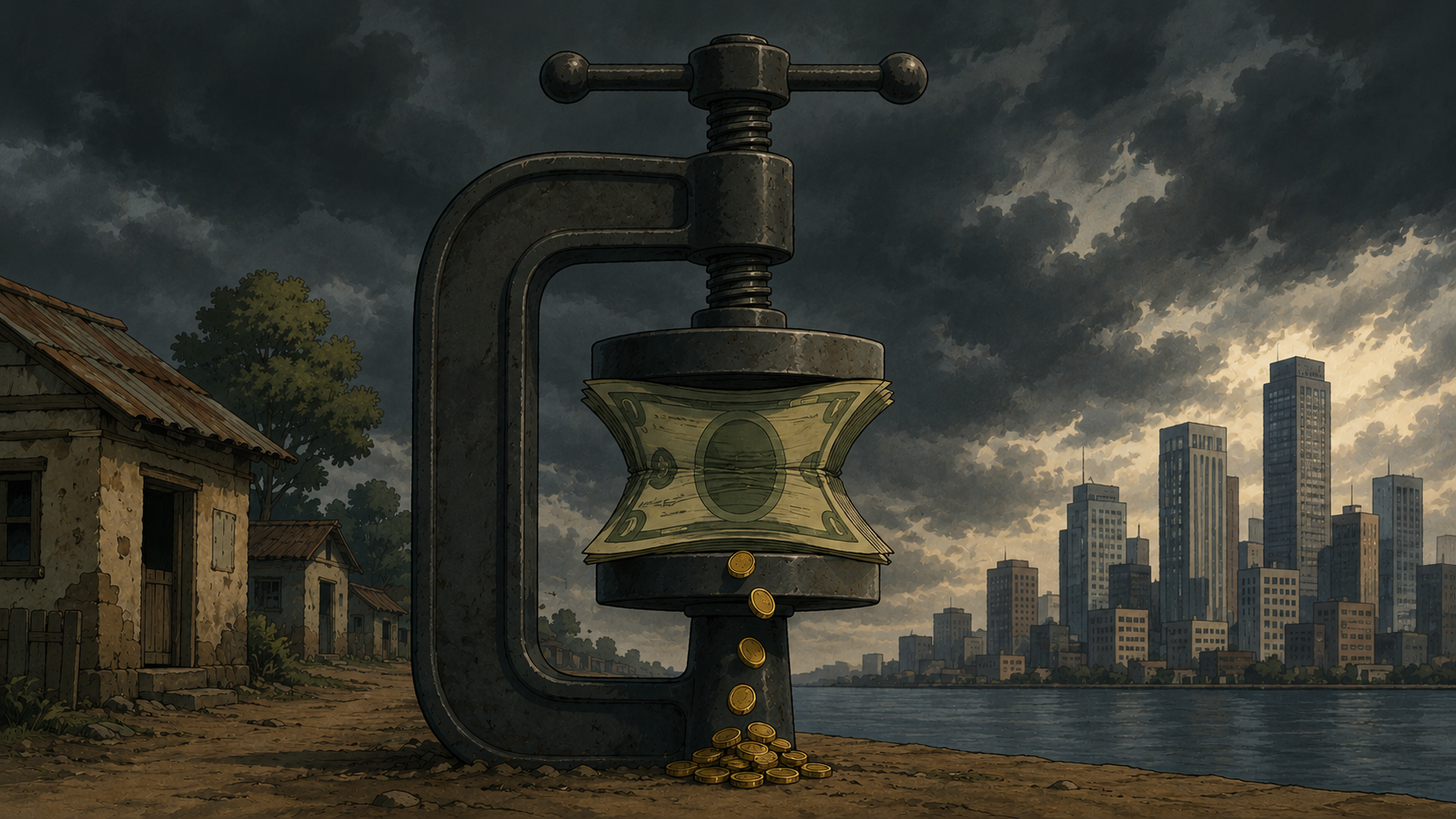
Every year, hundreds of millions of people send money home. An IT specialist in the USA. A construction worker in Dubai. A nurse in London wiring cash to Manila. The sums are small. The fees are not.
The global remittance market moves over $800 billion annually, and the industry built to handle it has spent decades perfecting the art of skimming from people who can least afford it. The World Bank estimates the average cost to send money internationally hovers around 6 percent. On a $200 transfer, that's $12 gone before a single peso or taka reaches the family waiting on it. Multiply that across billions of transactions and you are looking at tens of billions of dollars drained, every year, from the working poor of the world, and handed to middlemen who did nothing more than stand between two people who wanted to exchange value.
Bitcoin ended this. Not eventually, but now.
THE MATH IS BRUTAL
Run the numbers for a moment. A Philippine OFW sending $300 home every month pays roughly $18 in fees. Over a year that's $216. Over a decade that's more than $2,000 handed to a bank or wire service for the privilege of moving their own money. For a family scraping by on remittances, that is not a rounding error. That's a month of groceries. That's school fees for a semester. That's a compounding theft dressed up as a service charge.
Western Union, MoneyGram, and the correspondent banking network they rely on were built in an era when moving money internationally genuinely required infrastructure, paper, and human couriers. That era ended. The fees did not. What persists today is not a cost structure, it is a toll. And the people paying it are the ones who have no alternative, except one.
That alternative is Bitcoin.
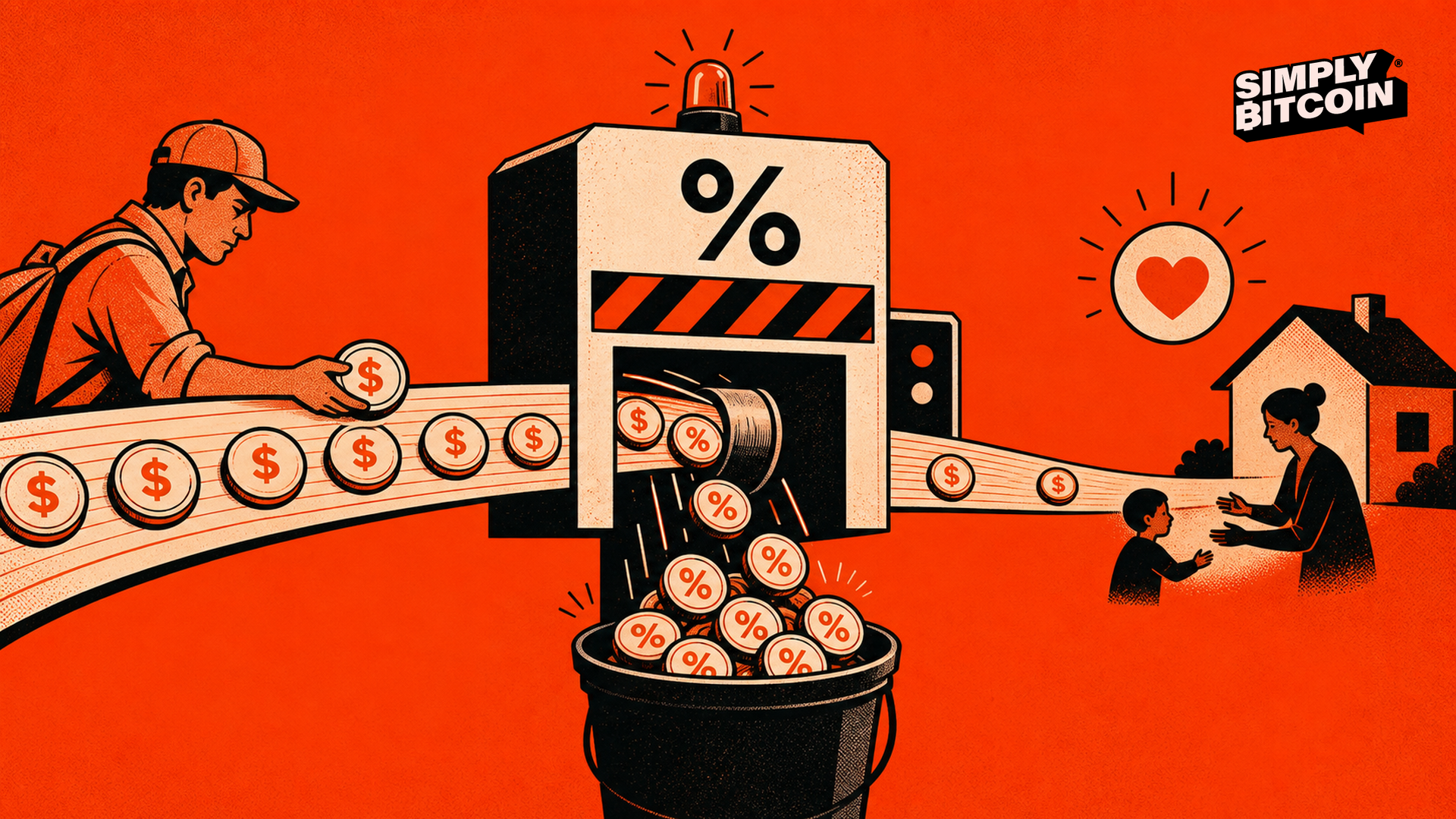
WHAT LIGHTNING DOES TO THE TOLL BOOTH
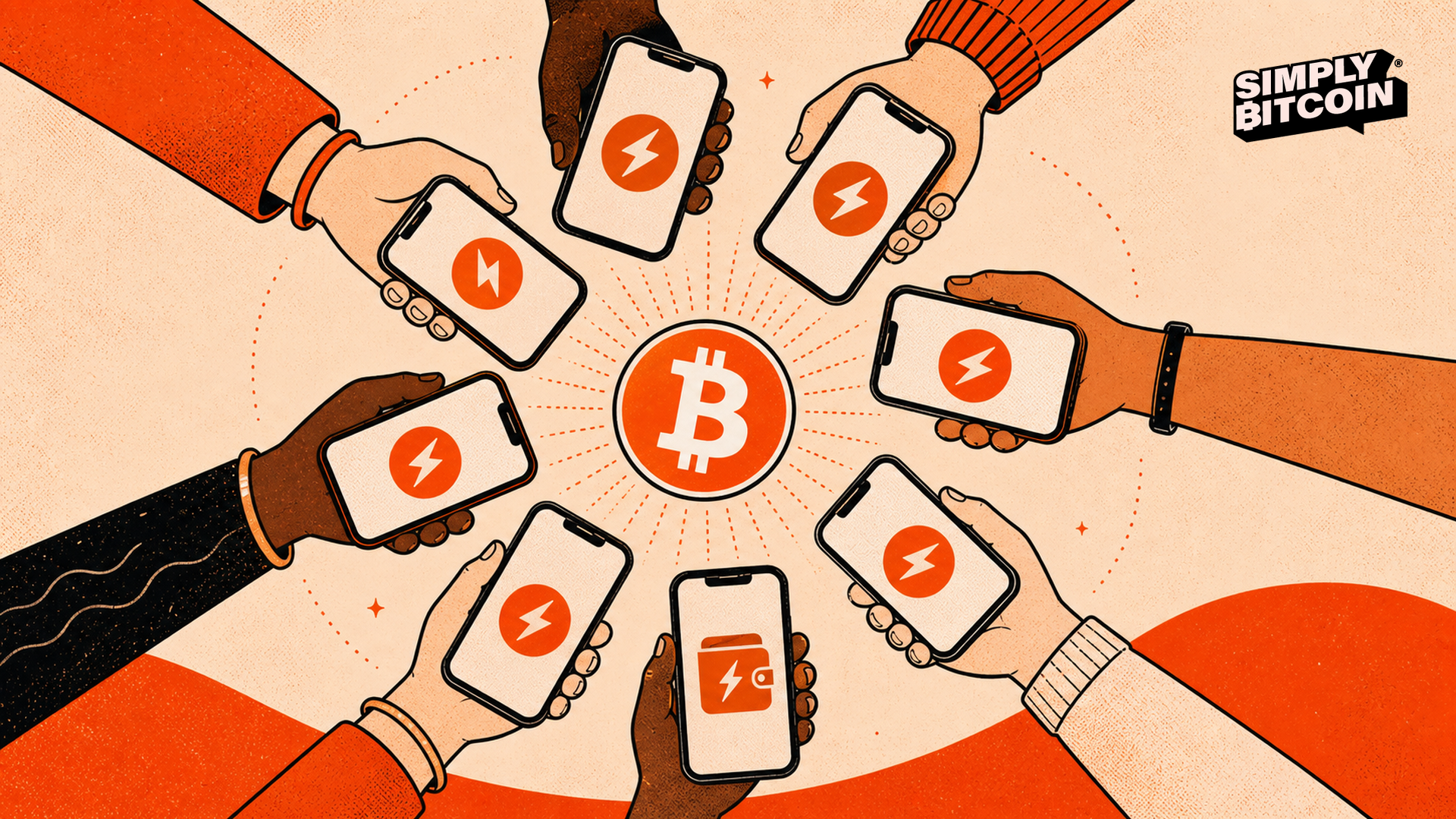
The Lightning Network is Bitcoin's payment layer, and it was built for exactly this use case. Payments settle in seconds. Fees are fractions of a cent. There is no minimum transfer size, no identification requirement to receive funds, no business hours, and no correspondent bank in the middle taking their cut. A worker in the United States can open a Lightning wallet, load it with bitcoin, and send $200 to a family member in Nigeria who receives it instantly, in full, with no paperwork and no waiting period.
The recipient can hold it as bitcoin, which is a meaningful option in countries where the local currency is losing purchasing power every year. Or they can convert it to local currency through a local exchange or Bitcoin circular economy. Either way, they receive more than they would have through any traditional channel, and they receive it faster.
This is a fundamental reordering of who gets to participate in global commerce on equal terms.
The Lightning Network routes around the rent-seekers. Every dollar not paid in fees is a dollar that stays in the family. Over millions of transactions, across hundreds of millions of people, this compounds into something historic.
SOVEREIGNTY IS NOT ONLY FOR THE WEALTHY
One of the most powerful things about Bitcoin is that it does not ask where you come from. It doesn't check your credit score, your national ID, your immigration status, or the stability of your government. You generate a wallet, you hold the keys, you send and receive value from anywhere in the world with an internet connection.
For the billion-plus people living in countries with capital controls, where governments restrict how much money can cross borders, Bitcoin is not a convenience. It is freedom of movement for their wealth. A Venezuelan who managed to save in bitcoin during the bolivar collapse did not watch their savings evaporate. An Argentine whose government froze dollar accounts holds their bitcoin regardless of what Buenos Aires decides to do that week.
Financial sovereignty has historically been the exclusive province of the wealthy and the well-connected, people with access to offshore accounts, trusts, and foreign real estate. Bitcoin gives every person on earth access to a bearer asset that cannot be frozen, confiscated, or inflated away by the country they happen to live in.
This is arguably the most significant expansion of individual financial rights in human history.
THE CIRCULAR ECONOMY ALREADY EXISTS
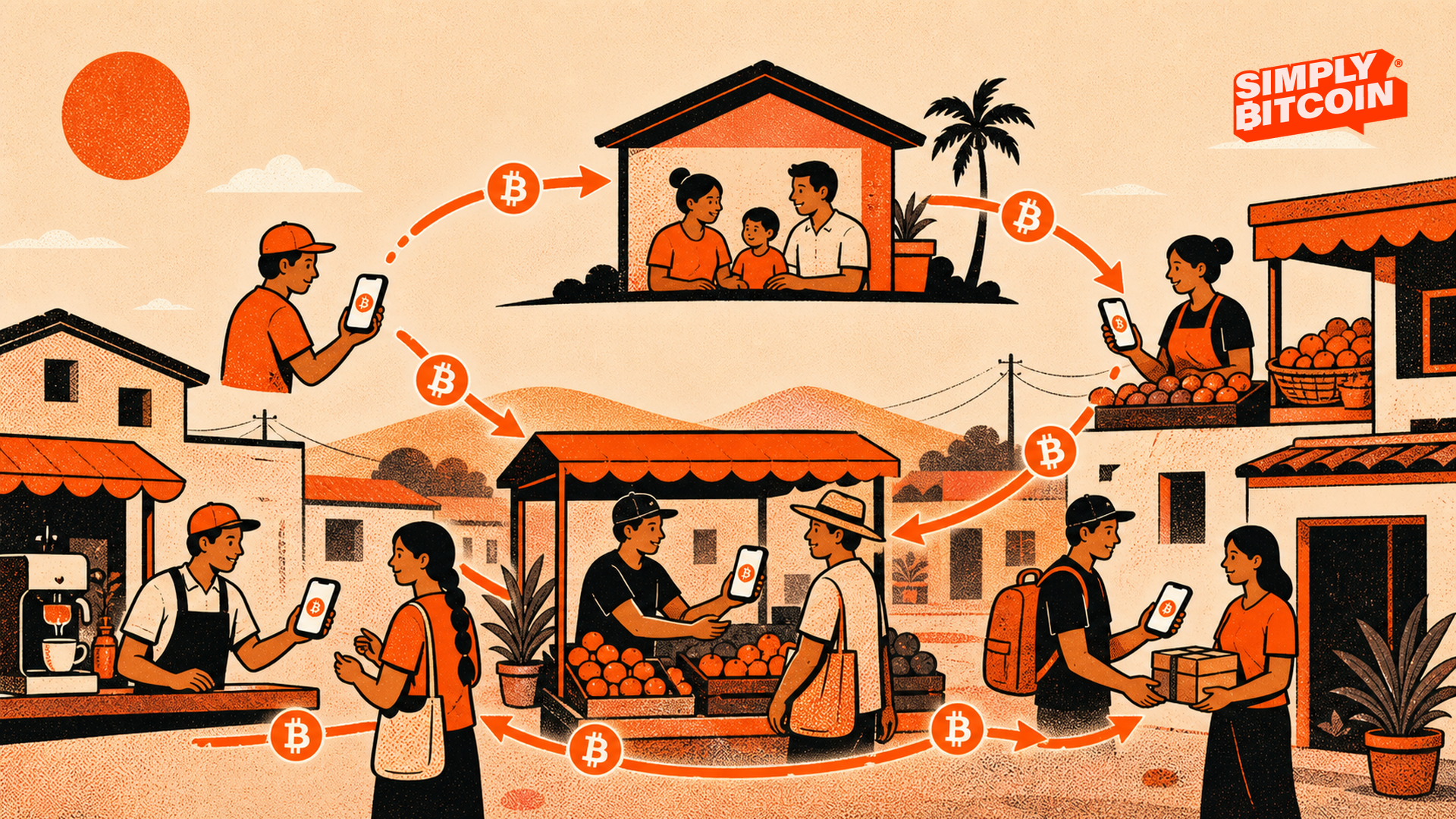
El Salvador made Bitcoin legal tender in 2021, and regardless of how that implementation has been at the government level, what emerged at the community level tells the real story. In places like Bitcoin Beach, circular economies formed where workers earn in bitcoin, spend in bitcoin locally, and send bitcoin home to family without touching the traditional banking system at all. The fee savings are real. The speed improvements are real. The autonomy is real.
This is not a pilot program. It is people discovering that they do not need permission to transact with one another, and building around that fact. The circular economy model is replicable anywhere. It requires nothing more than willing participants and a wallet.
The remittance companies built their business on the assumption that people had no other option. That assumption is now false, and every bitcoiner who helps someone in their community set up a wallet is quietly disassembling the toll booth one transaction at a time.
The $48 billion extracted from the world's workers every year was never a cost of doing business. It was a tax on the absence of alternatives. Bitcoin is the alternative. The toll booth is coming down.