The Fed's Only Choice Is How It Loses

There is a dial in front of the Federal Reserve with exactly two settings, and both of them lead to the same room. Raise rates to defend the dollar, and the interest bill on the national debt turns into a problem of its own. Cut rates to protect the debt, and the currency backing that debt gets diluted instead. Either way, something gives, and it is never the debt.
TWO LEVERS, ONE OUTCOME
For most of modern memory, the Fed's rate decision got framed as a dial between growth and inflation. That framing assumed the government's own debt load was small enough to be a side effect of the decision, not the reason for it. That assumption stopped holding once the debt got large enough to answer back.
Now the debt does the answering. Raise rates and the interest expense on the debt does not just rise, it starts competing with everything else the government spends money on. Cut rates, or lean on the long end directly, and the government is inflating its way around the problem instead of paying it down. Both moves land on the same place: the dollar sitting in your account.
THE ARITHMETIC BEHIND THE TRAP
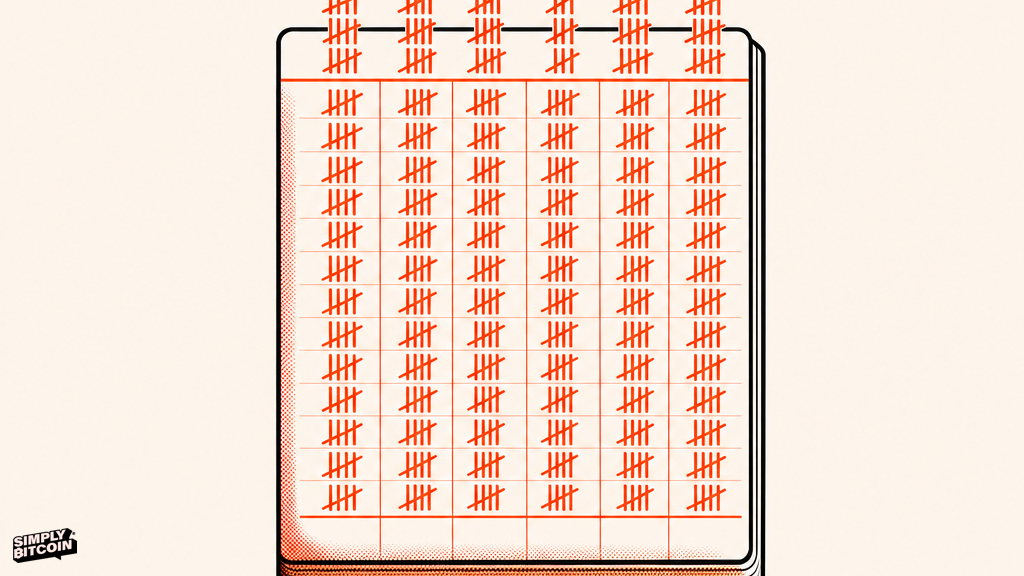
As of August 05, 2026, total gross national debt is $39.83 trillion. Measured against the size of the economy that has to service it, US public debt has reached 100 percent of GDP for the first time since the aftermath of World War II, closing in on the postwar peak of 106 percent of GDP.
Interest on that debt is not a rounding error anymore. Net interest as a share of outlays is forecast by the Congressional Budget Office to be 13.95 percent in FY2026, 14.25 percent in FY2027, and 14.94 percent in FY2028. That climb happens whether the Fed hikes or cuts. It is baked into the size of the debt itself.
THE ONLY TIME AMERICA TRIED THIS BEFORE
The country has faced a debt load like this exactly once, at the end of World War Two. The comforting version of that story says growth solved it. The research on the actual mechanics disagrees: the fall in the debt to GDP ratio from 1946 to 1974 is often attributed to high rates of economic growth, but most of the decline can in fact be explained by primary budget surpluses, surprise inflation, and financial repression.
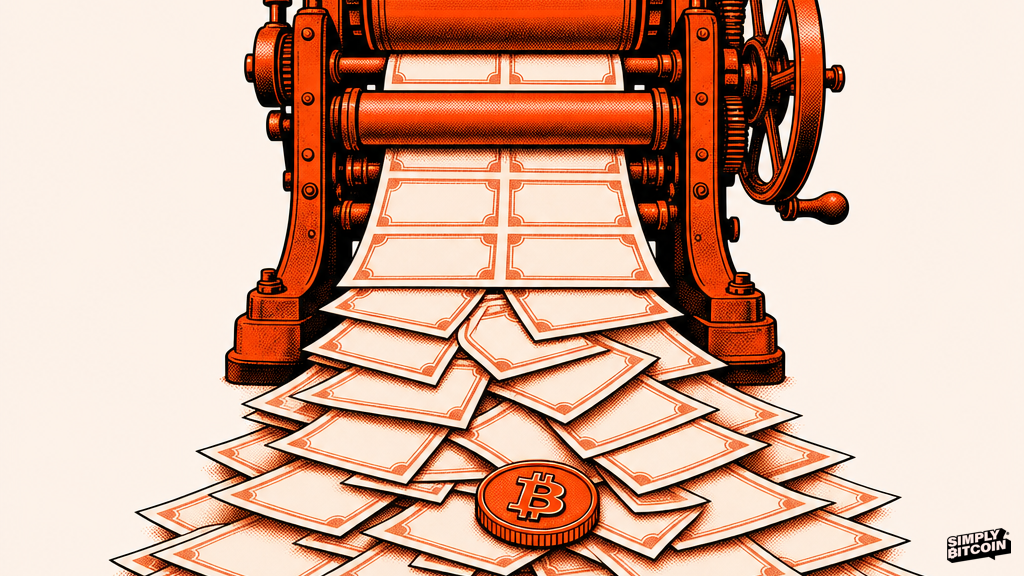
Financial repression is a polite name for a simple move: hold interest rates below the rate of inflation for years, on purpose, so the debt shrinks in real terms while the people holding it eat the loss. It worked, once. It also required conditions that no longer exist.
WHY THE QUIET VERSION IS OFF THE TABLE NOW
In 1946, the United States emerged from a global war with high debt, but also with a young population, strong growth prospects, and a political commitment to fiscal restraint. Today America faces the opposite: an aging population, structurally rising entitlement spending, and persistent deficits with no credible plan to rein them in.
Running the postwar playbook again means years of interest rates held below inflation while ordinary savers absorb the difference. That is not a policy announcement, it is a multi-year transfer from paychecks to the balance sheet, and no one elected on that promise gets reelected after delivering it. The quiet version of debasement needs a population willing to sit still for it. This one is not built that way.
A FIXED SUPPLY DOESN'T CARE WHICH LEVER THEY PULL
This is the part that makes the whole dial irrelevant to one asset in particular. Bitcoin's supply schedule does not consult the Fed's meeting calendar. It does not tighten if rates rise or loosen if rates fall. Twenty one million was set before the decision existed, and it stays set no matter which way the decision goes.
The Fed is not choosing whether the dollar loses value. It is choosing the mechanism and the timeline. That is a real choice with real consequences for everyone holding dollars, bonds, and anything priced in them. It is not a choice that touches an asset whose supply was never on the table to begin with.