The Digital Dollar Comes With A No Button. Bitcoin Never Had One.

A market structure bill can fail a procedural vote in the Senate. A central bank can raise its policy rate and admit, on the record, that inflation still isn't under control. Both things can happen in the same week, and Bitcoin doesn't have to fall. Sometimes it rallies instead.
That reaction confuses anyone who treats Bitcoin's price as a referendum on Washington's mood. It isn't one. The confusion clears up once you separate what a failed vote actually touches from what it doesn't, and look at what the alternative on the table is actually designed to do.
WHAT A FAILED VOTE ACTUALLY TOUCHES
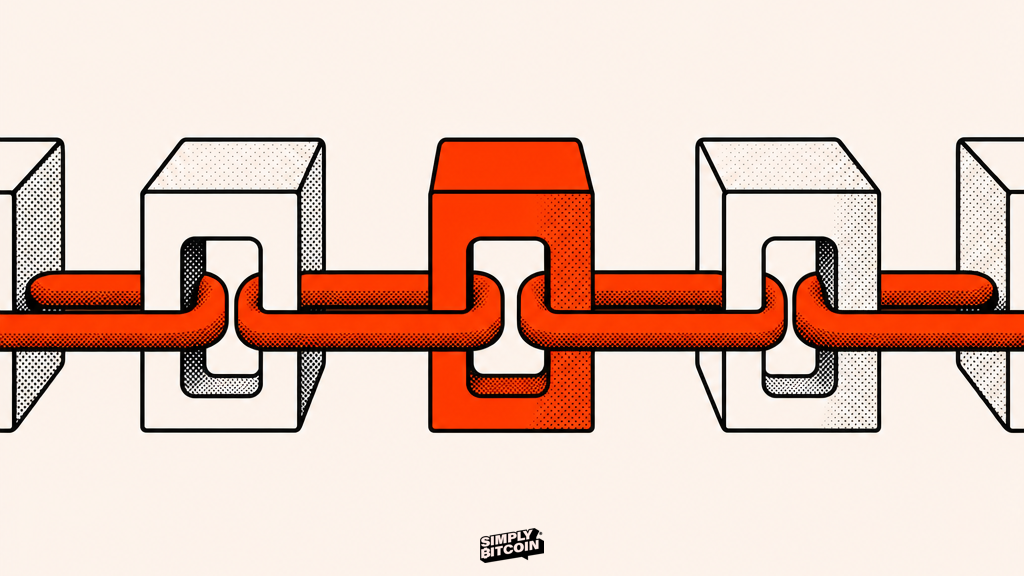
A market structure bill is a law about custody, disclosure, and who regulates what. It is not a switch wired into Bitcoin's protocol. Whether it passes or dies in a cloture vote, the halving schedule doesn't move, the difficulty adjustment doesn't pause, and the network keeps closing a new block roughly every ten minutes with or without a quorum in Washington.
Bitcoin was already running before anyone drafted a bill to regulate it, and it will keep running if every future version of that bill dies in committee for the next decade. A legislature can decide how an exchange is licensed. It cannot decide whether a block confirms, because the thing doing the confirming isn't in the room.
THE MONEY DESIGNED TO COME WITH CONDITIONS
The alternative on the table isn't nothing. Every time a bill meant to give Bitcoin regulatory clarity stalls, the same policy idea resurfaces from the other side of the argument: a central bank digital currency, a digital dollar issued directly by the state instead of routed through a private bank account.
Issuing a currency directly doesn't just move cash onto a new rail. It gives the issuer control over what rides on that rail. A digital dollar can be built to expire on a date. It can be restricted to approved categories of merchant. It can be frozen from an account without the account holder's cooperation, because the issuer holds the ledger and the ledger is the point of control.
None of this is speculative. In October 2020, Shenzhen gave fifty thousand lottery winners two hundred digital yuan each, money built to expire six days later if they didn't spend it. That pilot wasn't a bug report. It was a proof of concept: a government finding out, in public, that it could make money disappear on a schedule it chose.

THE RULE BITCOIN NEVER HAD A FIELD FOR
Bitcoin's protocol has no data field for a merchant category. No field for an expiration date. No admin key that freezes or unfreezes a balance because a court, a regulator, or an executive order asked nicely. Every node on the network runs the same rule, and the rule has no branch in it labeled unless.
That absence isn't an oversight waiting to be patched. It's the entire design. Proof of work exists to make the rule expensive to break, not to make it easy to add exceptions to later. A confirmed transaction doesn't need anyone's permission to have already happened, and it doesn't need permission from the next Congress either.
WHY THE MARKET STOPPED TRADING THE HEADLINES
Once enough capital understands that distinction, it stops pricing Bitcoin off legislative outcomes and starts pricing it off supply, adoption, and the balance sheets already stacking it. A bill failing doesn't return a single satoshi to circulation. A rate hike doesn't add a mechanism to the code that lets anyone claw one back either.
Compare that to money that lives entirely inside the system it's issued by. A rate decision there changes the price of credit, the value of a deposit, and the willingness of a bank three states away to lend to a farmer, because that money's behavior is a direct function of a committee's vote. Bitcoin's behavior isn't, and the market has started pricing the difference instead of the news cycle around it.
THE CHOICE UNDER EVERY HEADLINE ABOUT CRYPTO LAW
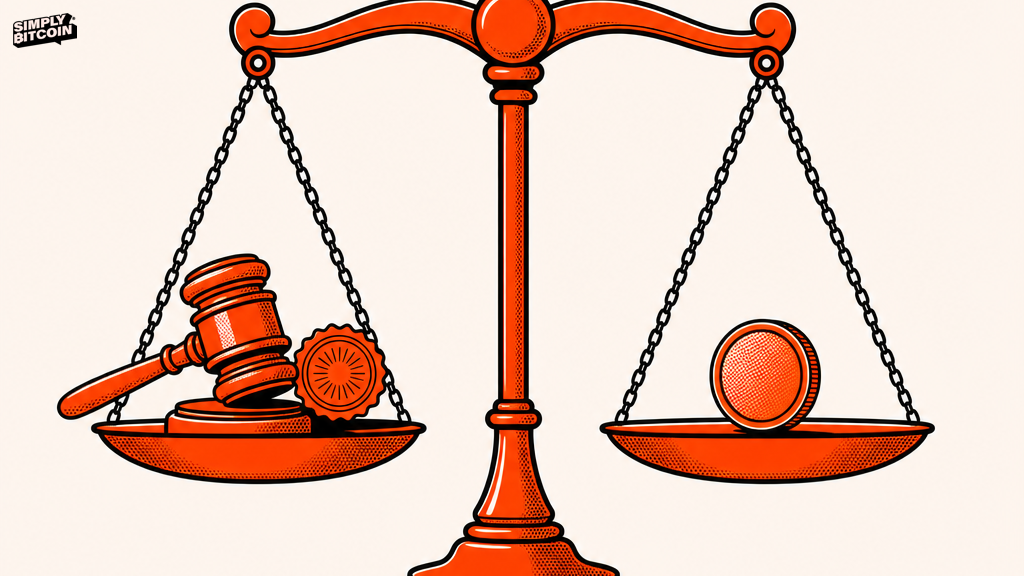
Strip away the vote counts and the committee names and every fight over digital currency regulation is the same fight: who holds the permission layer over money. A digital dollar with a no button keeps that layer with the state, wrapped in better technology than a paper ledger but governed by the same authority that has always decided what money is allowed to do.
Bitcoin never built that layer in the first place. Nobody can vote it in later either, not because nobody has tried, but because the rule that would need to change is enforced by every node that refuses to run the new rule. That isn't a policy position. It's the reason a bill can fail, a rate can rise, and the asset with no permission layer just keeps closing blocks.