Scarcity Doesn't Answer A Margin Call

When bitcoin's price falls hard, the argument that gets repeated the loudest is also the laziest. The cap is fixed, so hold on, the math wins eventually. That is true over a long enough horizon. It is also useless to the person forced to sell at the bottom because somebody else's balance sheet ran through their position.
Scarcity and liquidity are not the same promise. One describes what bitcoin's supply schedule can never become. The other describes whether you get to choose the day you sell. Confusing the two has cost people exactly the outcome the fixed supply was supposed to protect them from.
THE PROMISE THE CAP NEVER MADE
The 21 million cap is a supply guarantee, not a price guarantee. The protocol does not know what is happening three floors up at a brokerage, and it has no opinion on a margin call placed against a position somewhere else entirely. It guarantees what bitcoin cannot become. It says nothing about what a leveraged holder has to do with the bitcoin they already own when a bet made in a different market goes wrong.
That distinction sounds academic until the day it is not. A person who bought bitcoin outright and never borrowed against it has no call to answer, no matter how far the price moves. A person who used that same bitcoin as collateral has a creditor on the other end of the position, and the creditor's schedule does not bend to anyone's investment thesis.
A MARGIN CALL DOESN'T CHECK YOUR TIME HORIZON
In March of 2020, bitcoin lost roughly half its value in a matter of hours as global markets seized up over the onset of a pandemic. The ledger kept producing blocks on schedule the entire time. Nothing about the code failed. What failed was a stack of leveraged positions that needed dollars immediately, and the only liquid asset many of those holders had on hand to raise them was the bitcoin they believed in for the next decade.
A broker demanding cash this afternoon does not negotiate with a ten year thesis. It does not care that the supply is capped, that the halving is scheduled, or that the holder planned to never sell. It wants dollars by the close, and if bitcoin is what is sitting in the account with a bid, bitcoin is what moves.
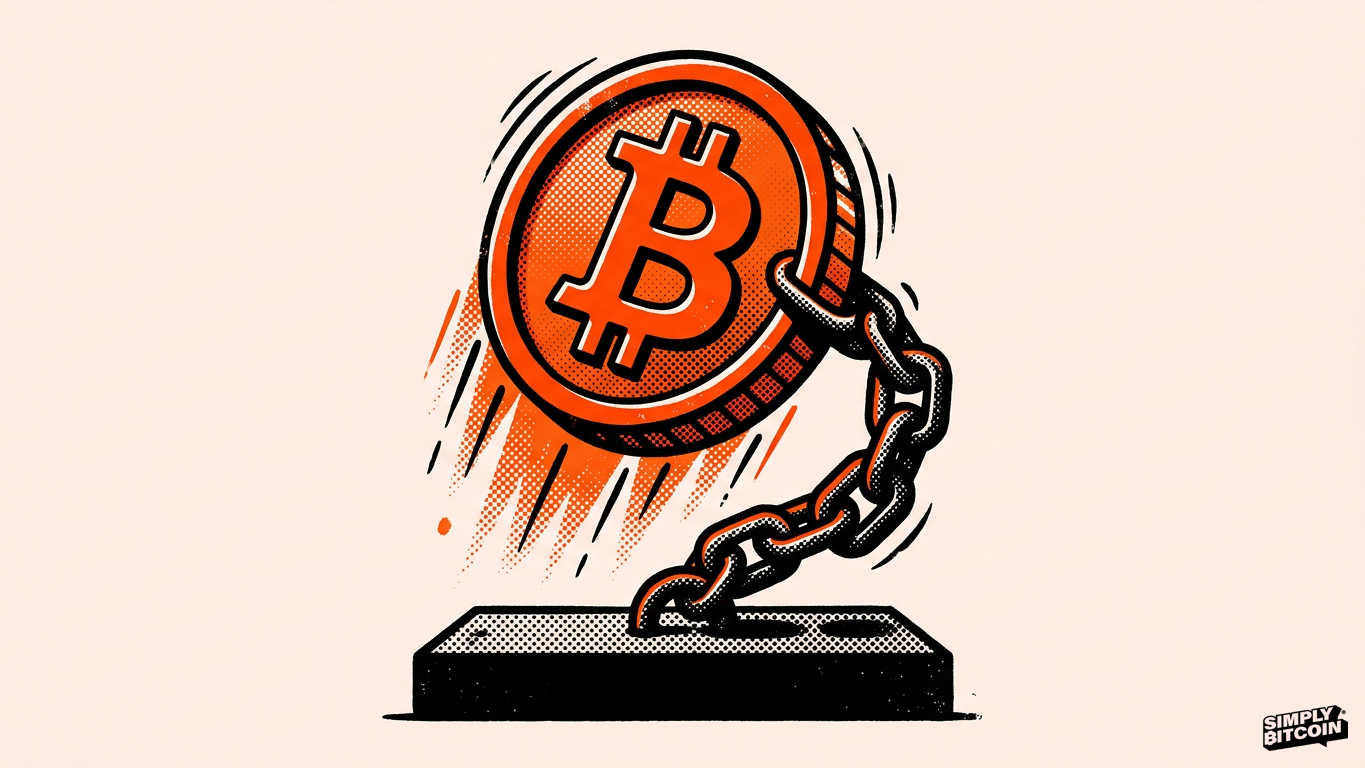
THE DEBT IS IN DOLLARS. THE ASSET ISN'T.
This is the mismatch that does the damage. A loan taken out to buy more exposure is denominated in whatever currency the lender wants back, not in whatever asset the borrower actually trusts. When that loan comes due, the lender does not accept conviction as payment. It accepts dollars, on its timeline, regardless of what the borrower holds or how right the borrower turns out to be a year later.
Picture the version of this that actually happens to someone. A saver spends years building a position, holds through every drawdown, genuinely understands the case. Then an unrelated shock hits, maybe a bank somewhere locks millions of people out of their deposits and the fear spreads into every market at once. A lender calls in collateral. The saver sells into the panic not because the thesis broke, but because somebody else's obligation became due on a day the saver did not choose.
WHAT A FLUSH IS, AND WHAT IT ISN'T
A leverage flush and a monetary failure are different events wearing the same red candle. A flush empties out overextended positions, resets funding rates, and clears the weak hands that should never have been using borrowed money in the first place. It says nothing about whether the 21 million cap still holds, nothing about whether the ledger settled every block correctly, and nothing about whether a bank somewhere just froze three million accounts on the same afternoon.
Treating the two as the same event is how a credit problem gets mistaken for a referendum on an asset's design. The protocol did not break during a flush. The protocol never offered a promise about short term price. It only ever promised supply, and supply held through every version of this that has happened so far.
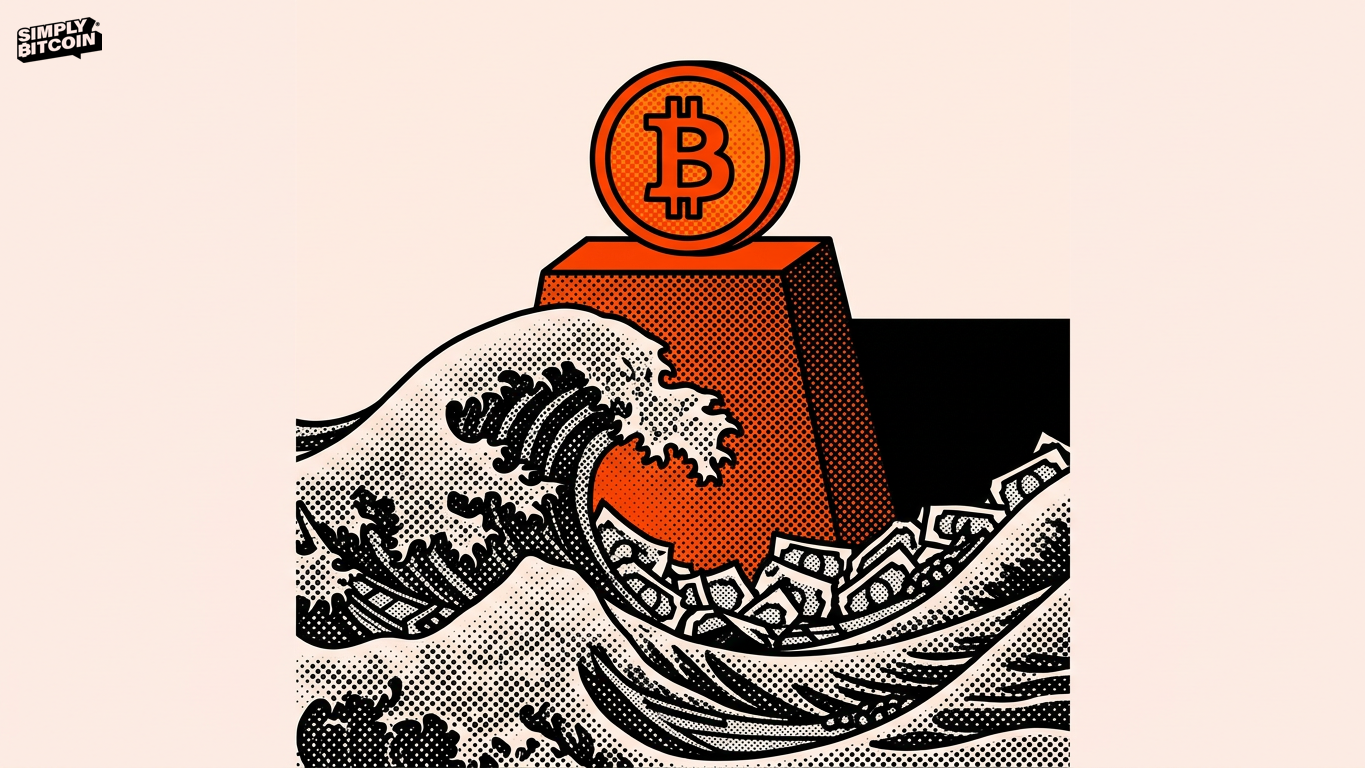
THE DIFFERENCE BETWEEN OWNING AND OWING
The actual lesson is not that scarcity failed anybody. It is that leverage puts another party's schedule inside your position, and that party's schedule can outrank your own judgment the moment the market turns. A holder with no loan against their bitcoin has no call waiting for them. The protocol does not margin call a single person. Only a creditor does, and only a borrower has one.
This is why self custody without debt sitting on top of it is a different animal than self custody with leverage underneath it. The private key still works the same way in both cases. Only one of them has somebody else's claim riding along with it, ready to force a sale on a day that has nothing to do with the holder's own reasoning.
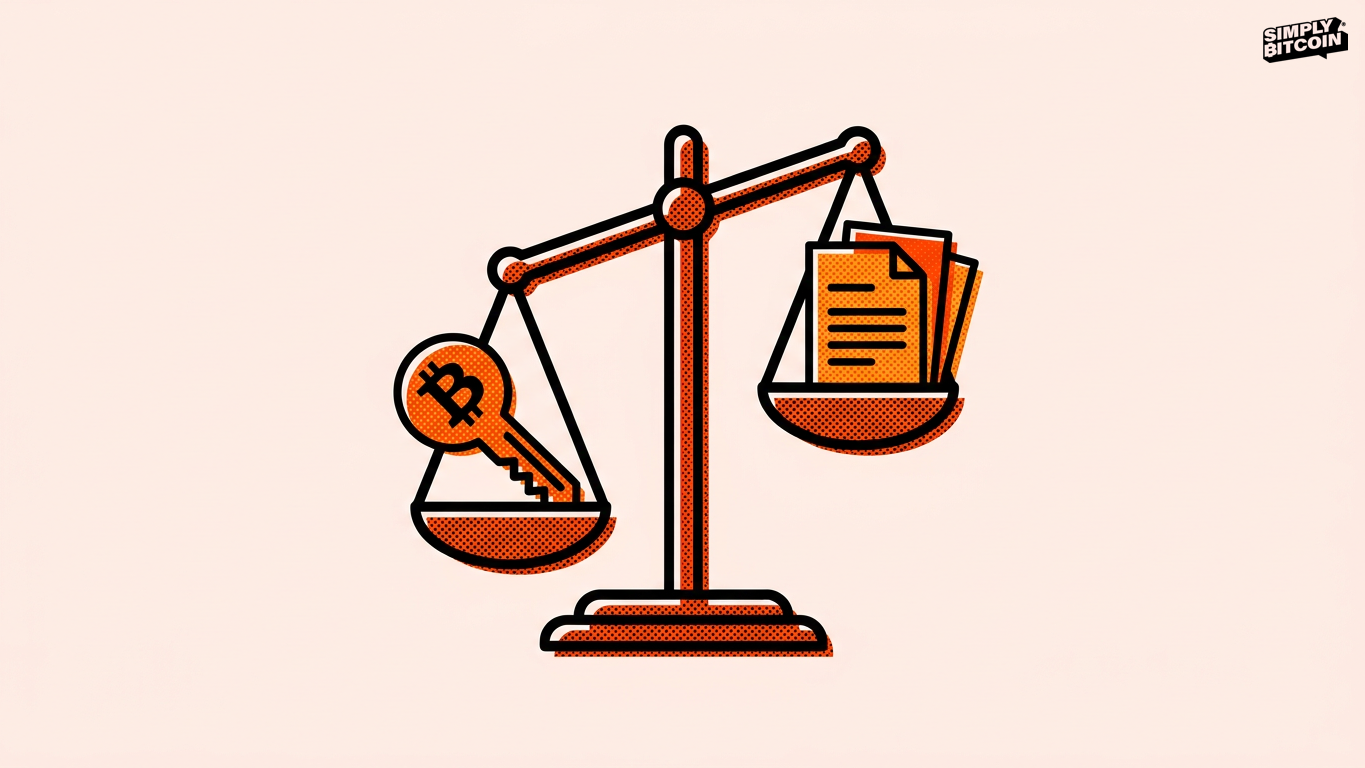
WHAT PROTECTS YOU ISN'T CONVICTION. IT'S THE ABSENCE OF A CALL.
The cap protects the coin. Staying out of debt against it is what protects the holder. Conviction is necessary and still not sufficient, because a person can understand bitcoin correctly and still be forced to sell it at the worst possible hour if someone else holds a claim on the position.
Making a long thesis survive a short crisis is not a matter of believing harder. It is a matter of structure, owning the asset outright so that no lender's calendar ever gets a vote in when it leaves your hands.


Daily Bitcoin news, analysis and interviews. New shows every single day.
Subscribe on YouTube