Satoshi Disappeared. Bitcoin Never Needed Him Again.
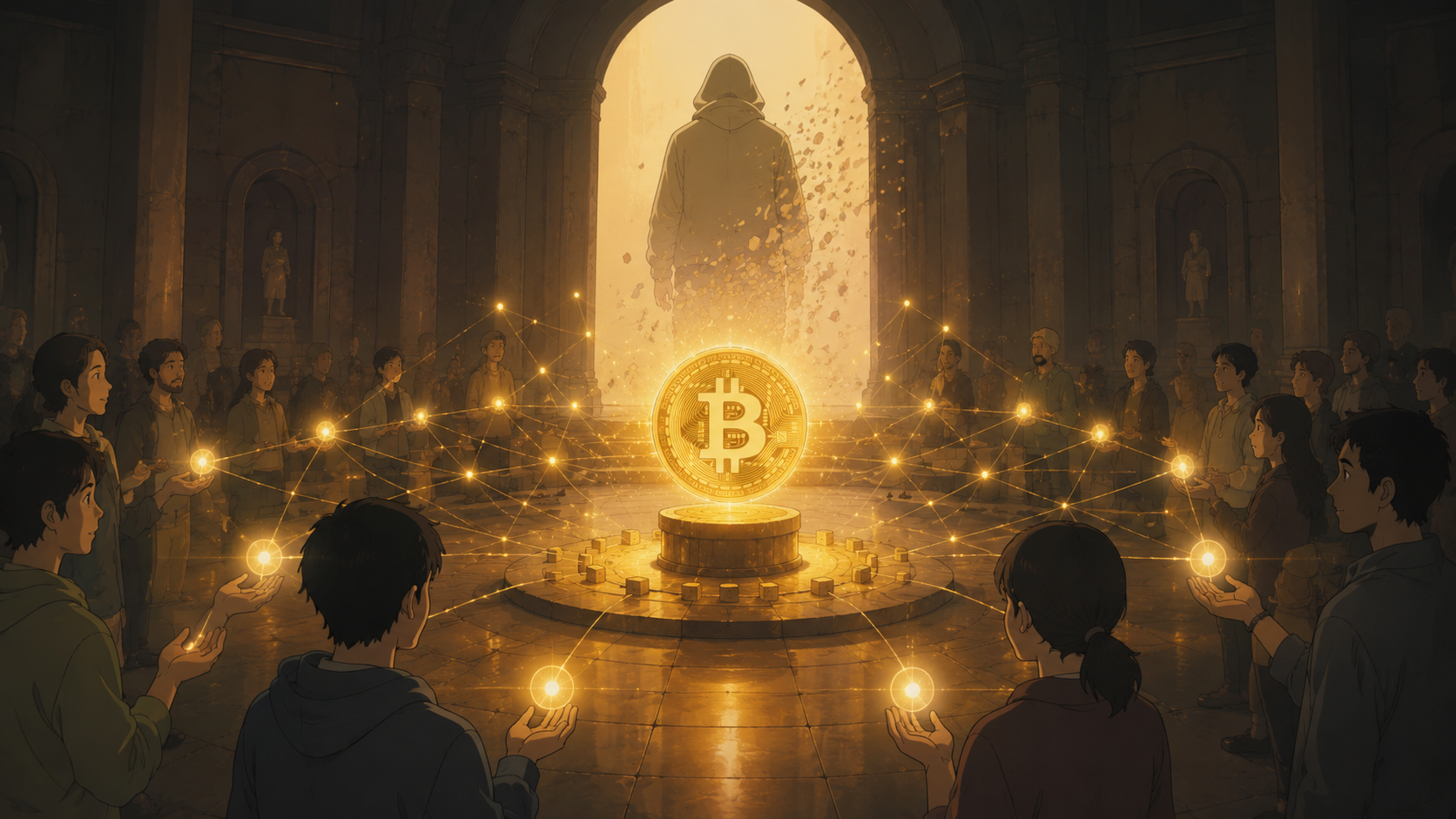
In late 2010, a person or group calling themselves Satoshi Nakamoto sent a few final messages to the Bitcoin developer community, handed off the alert key, and walked away. He built the most important monetary network in human history and then removed himself from it entirely, on purpose, before anyone could turn him into a figurehead.
That single act tells you almost everything you need to know about what Bitcoin actually is.
THE DISAPPEARANCE WAS THE DESIGN
Every other movement in history has needed a leader to survive. Take away the founder and the thing wobbles, splinters, or dies with them. Satoshi understood that Bitcoin could never be that. If Bitcoin needed him to keep functioning, it would have already failed the one test that matters: can this survive without anyone in charge.
So he left. And Bitcoin didn't wobble. It kept mining blocks every ten minutes, kept enforcing the same rules, kept settling transactions with zero interruption, because the entire system was built to run on math and incentives instead of personality and charisma.
Satoshi's disappearance wasn't a mystery to be solved. It was the final proof of concept.
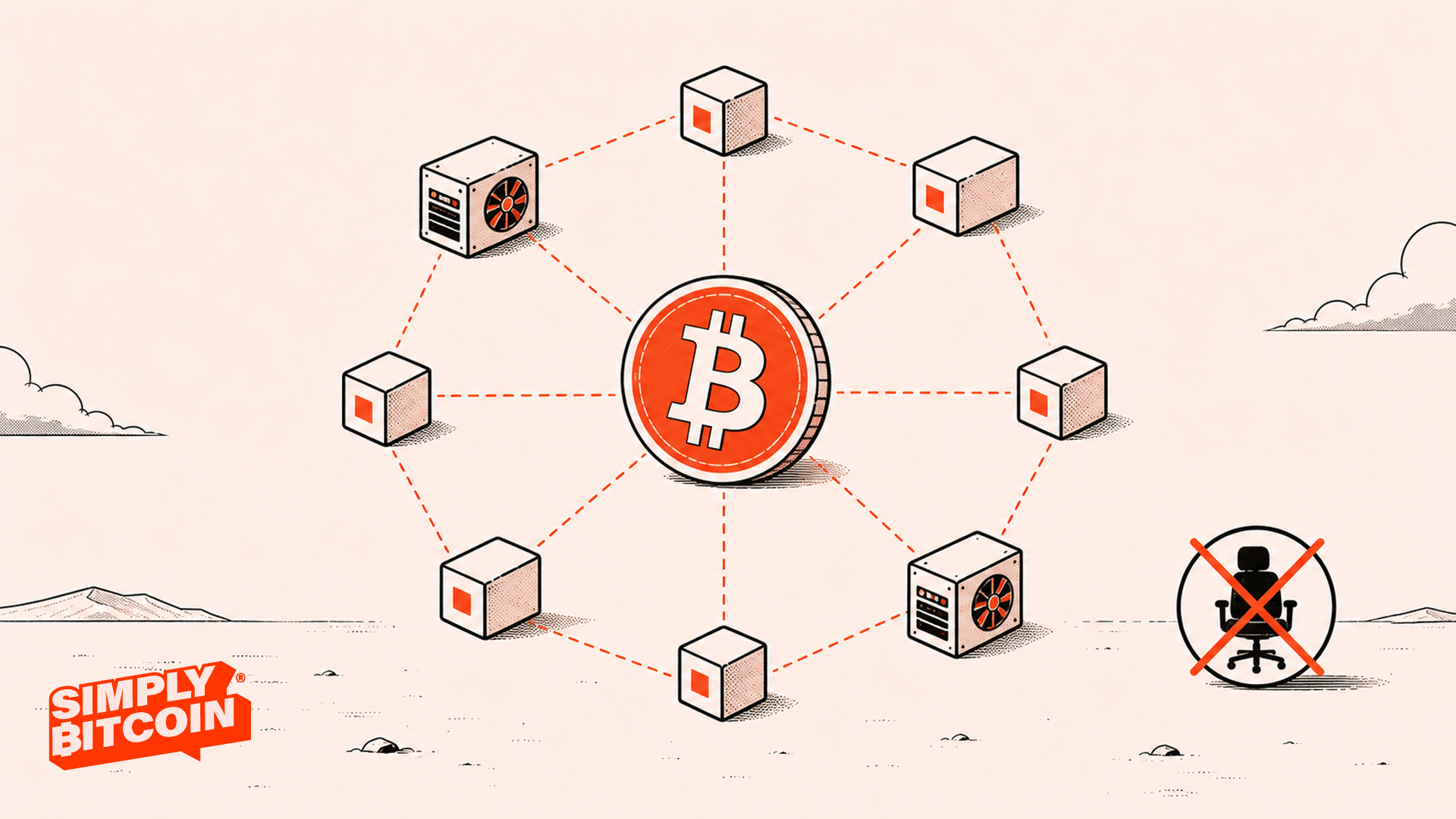
NO ONE CAN BE PRESSURED, BRIBED, OR SUBPOENAED
Every centralized project has a pressure point. A CEO who can be summoned to testify. A foundation that can be sanctioned. A lead developer who can be leaned on by a government until the roadmap bends. Bitcoin has none of that, because there is no one left to pressure.
You cannot subpoena a protocol or threaten a piece of open source software with jail time. The absence of Satoshi didn't create a leadership vacuum. It created something regulators and central banks still haven't fully processed: a monetary network with no one home.
This is why Bitcoin gets discussed in Senate hearings, dissected by economists, and attacked in op-eds, and none of it moves the protocol an inch. The rules keep enforcing themselves whether the world approves or not.
THE COMMUNITY BECAME THE CUSTODIAN
Without a founder to defer to, the people who showed up had to actually understand the system instead of just trusting a leader's word. That's why Bitcoiners run their own nodes. That's why the culture obsesses over verifying instead of trusting. That's why every proposed change to the protocol gets debated in the open for years before anything ships.
Satoshi didn't leave behind followers. He left behind participants, and that distinction is the whole game. A follower waits to be told what to think. A participant runs the software, checks the rules for themselves, and holds the network accountable in real time. Bitcoin's culture of self-verification exists precisely because there was no one left to verify things for you.
EVERY OTHER MONEY HAS A NAME ATTACHED TO IT
The dollar has a Federal Reserve chair whose speeches move markets. The euro has a central bank president. Every fiat currency on earth answers to a committee of people who can be named, replaced, or pressured. That's the model humanity has run with for centuries, and it means every currency's rules are only ever as stable as the people currently in charge of them.
Bitcoin broke that model permanently. There is no chair to replace nor a committee to lobby. The monetary policy was set once, in code, and it enforces itself the same way in Lagos, in Buenos Aires, and in a data center outside Beijing. That kind of consistency has never existed in money before, and it only exists now because the one person who could have centralized power around himself chose not to.
THE ABSENCE IS THE PROOF
People sometimes treat Satoshi's anonymity as a loose end, a piece of trivia to be solved. It's the opposite. Every day that goes by without Satoshi resurfacing is another day of evidence that Bitcoin doesn't need a leader to keep growing, keep securing trillions of dollars in value, and keep onboarding new believers who never needed permission from anyone to start stacking sats.
He gave the world a system, then got out of the way so the system could prove it didn't need him. Fifteen years later, it still hasn't.
Bitcoin didn't survive because someone was watching over it. It survived because no one had to.