
Proving You Own Gold Takes Years. Bitcoin Proves Itself In Seconds.
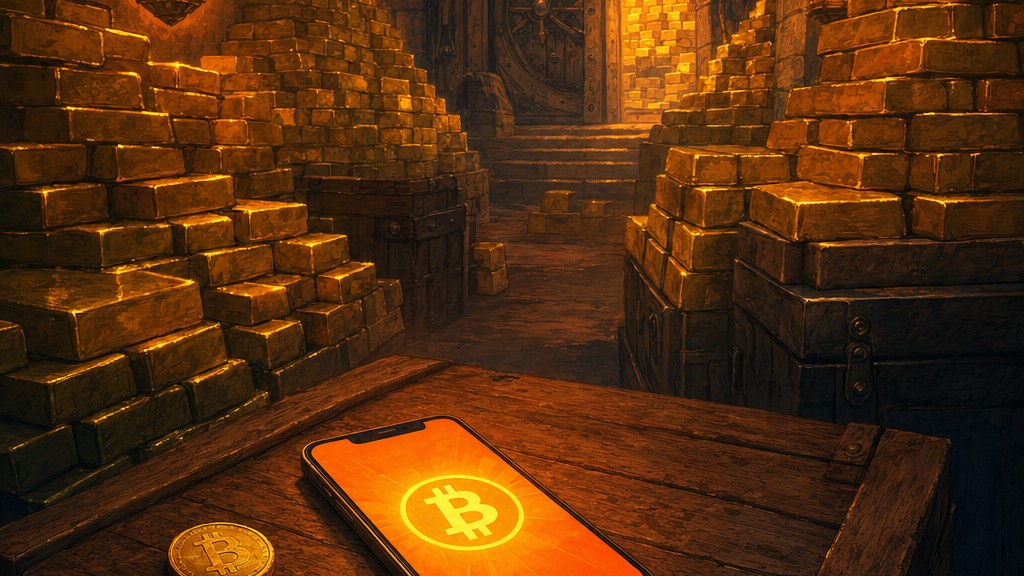
Last week, a team of KPMG accountants spent weeks inside a vault, physically lifting and counting gold bars by hand. They were auditing Tether, the company that now holds close to 100,000 bitcoin and roughly 146 tons of gold. One asset took a small army and a month of manual labor to verify. The other took a glance at a public ledger.
A HEAVY LIFTING EXERCISE
Tether's own chief executive did not dress up what the gold side of the audit actually required. Tether's reserves include around 150 tons of bullion, and CEO Paolo Ardoino called the audit "a heavy-lifting exercise." KPMG did not take Tether's word for the gold. The firm said it "physically counted and inspected every individual gold bar held by Tether, verifying the existence and identifying information of each bar rather than relying solely on reports from custodians or counterparties."
That is the honest price of trusting a metal. Someone has to travel to where it sits, open the vault, and lift every bar with their own hands.
FOUR YEARS TO BRING HOME WHAT WAS ALREADY THEIRS
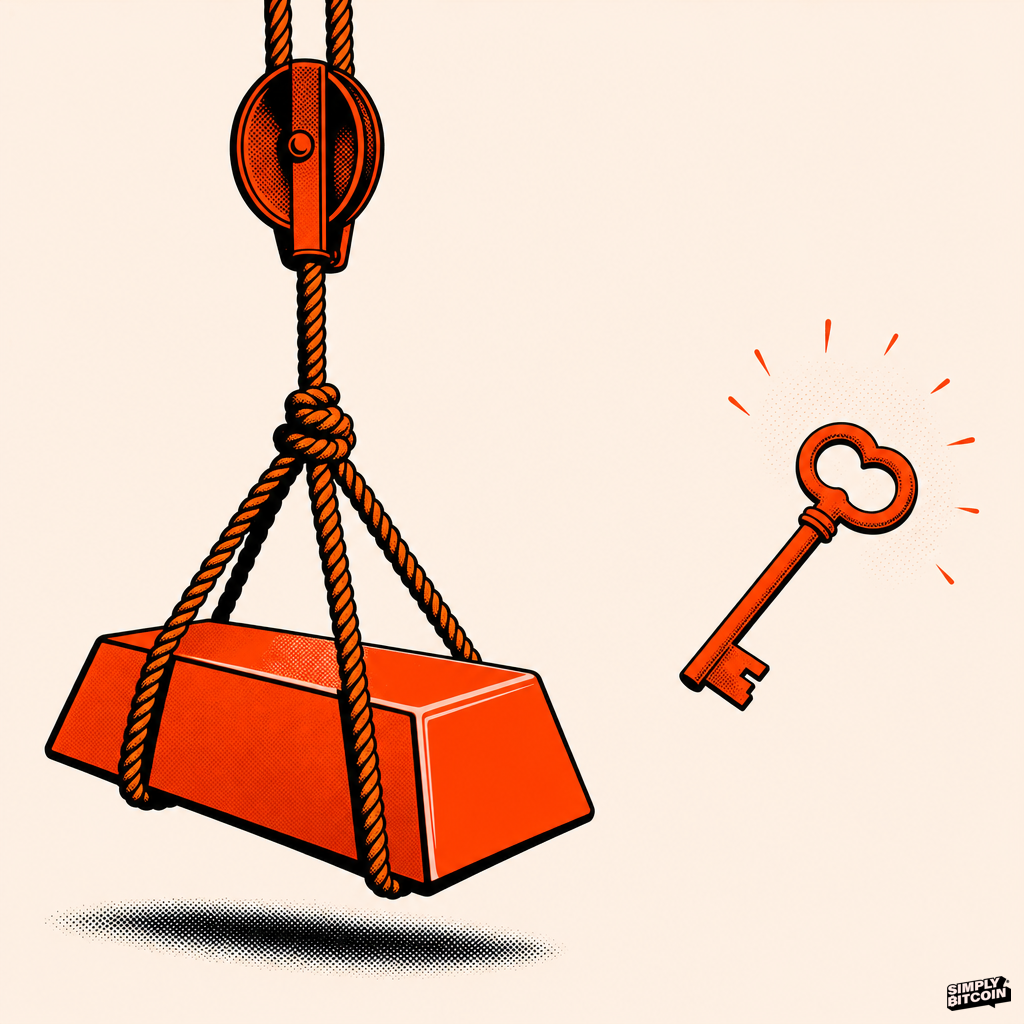
Tether is not the extreme case. Germany's Bundesbank owns some of the most closely watched gold reserves on the planet, and in 2013 it announced a plan to move part of that gold from foreign vaults back to Frankfurt. The Bundesbank said it would repatriate 674 metric tons of gold from vaults in Paris and New York by 2020 to restore public confidence in the safety of Germany's reserves.
The plan was expected to take seven years, and at the time many asked why it would take so long to return just 674 tons of gold. Germany had been bringing gold home to Frankfurt from the two cities since 2013, and in total 743 tons were transferred before the project was completed three years ahead of schedule. A country moving its own property, already owned outright, still needed four years of chartered flights and armed logistics to prove it was real.
ONE AUDIT, TWO DIFFERENT PROOFS
Here is the part that should stop you. The same KPMG audit that required a team on the ground counting gold bar by bar covered Tether's bitcoin holdings in the same report. Tether holds close to 99,000 bitcoin worth some 5.8 billion dollars alongside 146 tonnes of gold. No auditor flew anywhere to confirm the bitcoin. No one put on gloves. The entire holding can be checked against a public address, matched to the blockchain, and confirmed by anyone with an internet connection in the time it takes to load a page.
Same company, same balance sheet, same auditors. One asset demanded a physical inspection. The other simply proved itself.
VERIFICATION HAS A PRICE, AND MOST PEOPLE CANNOT PAY IT
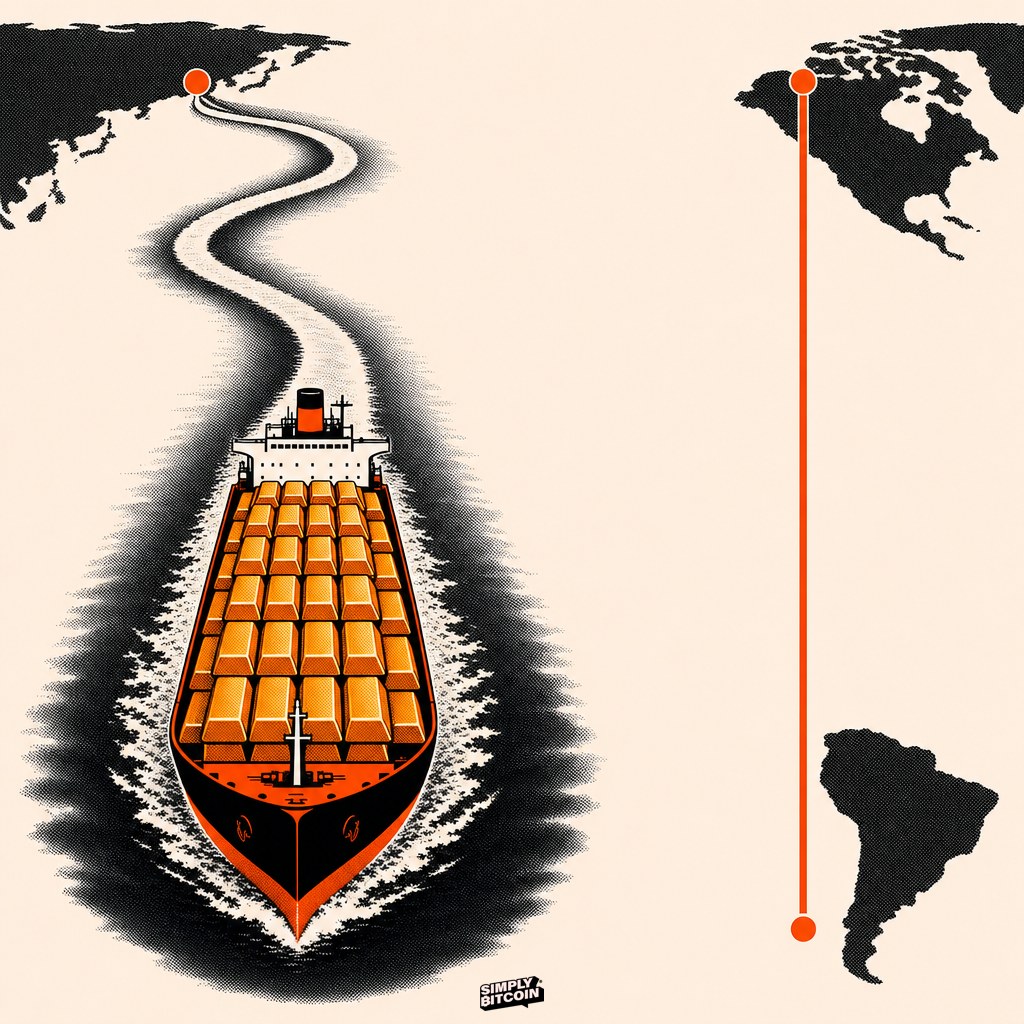
This is not a Tether problem or a Bundesbank problem. It is gold's actual cost structure, and it scales with who is asking. A central bank can charter a plane. A stablecoin issuer can hire a Big Four firm and fly a team to a Swiss vault. An ordinary saver cannot do either. They pay a dealer's markup, trust a certificate they cannot independently confirm, and hope the bar in the photo is the bar in the box.
Bitcoin does not have a version of this problem that only the wealthy can solve. A person holding a fraction of a coin verifies it the identical way a company holding a hundred thousand coins does: check the address, check the chain. The cost of proof does not rise with the size of the vault, because there is no vault.
THE REAL COST OF OWNERSHIP
The price tag on any asset is not the whole price. The real cost is what it takes to prove, to yourself and to everyone else, that you actually have it. For gold, that cost is a vault, a flight, an armed convoy, and sometimes years. For bitcoin, that cost is already built into the asset itself.
Germany's gold was real the entire time it sat in New York and Paris. It still took four years to prove it. Bitcoin never asks anyone to wait that long.