A Hack Needs A Verdict. Self-Custody Needs None.

On October 29, a single operator wallet emptied Binance across ten blockchains in about twenty minutes. By the time anyone could react, the exchange had lost more than any custodian in the history of the asset class, and the internet split into two camps before the dust settled: hacked from outside, or robbed from the inside.
SIX BILLION DOLLARS AND A QUESTION NOBODY COULD ANSWER ALONE
On October 29, 2026, an attacker moved approximately USD 6.36 billion out of Binance wallets on ten blockchains, most of it in about 20 minutes, making it the largest crypto theft on record, about four times the USD 1.5 billion Bybit hack of February 2025. Within hours, two competing explanations were racing across the same on-chain data: a sophisticated external theft, or an exchange staging its own collapse.
Here is the part that matters more than which story wins. Neither story let a single depositor verify anything on their own. Both required trusting someone else's report.
A MACHINE TOLD TO SIGN ANYTHING
Binance's first explanation was a compromised laptop. The exchange initially said the hack may involve a compromised DevOps engineer's laptop, which allowed an attacker to gain access to a service container and submit unauthorized withdrawal transactions. That story didn't survive the weekend. Binance co-CEO Richard Teng said on X that the attack was not a one click action but rather a complex process, after an initial investigation suggested the hack went through an engineer's laptop.
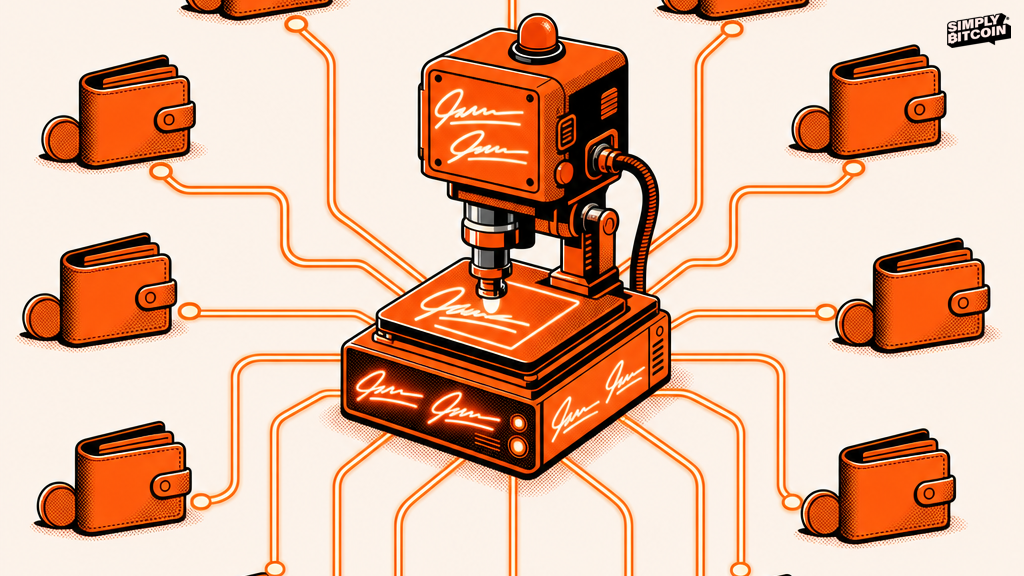
What actually moved the money, according to Binance's own account, was a wallet-signing exploit built on a newer Ethereum standard. According to Binance's CEO Richard Teng, the hackers used a multi-signature protocol called EIP-7702 to execute the attack on Binance's hot wallet. Strip the technical name away and the shape of it is simple: an automated system was handed the authority to sign on the exchange's behalf, and something outside the exchange learned how to trigger it. Whether that something started on a stranger's laptop or an employee's badge doesn't change the structural fact. One signing machine held every key, and whoever controlled it for twenty minutes controlled six billion dollars.
TWO VERSIONS OF THE SAME ON-CHAIN DATA
By Friday, theories about an inside job were circulating widely enough to need a formal response. Theories spread on social media that the Binance hack was an inside job or that Binance staged it to hide losses, but a fact check of the available evidence found no public evidence for any of these claims, with blockchain investigators attributing the attack to North Korea's TraderTraitor group. That attribution hardened into an official finding within two days. The FBI said late Saturday that it has determined North Korea was responsible for the theft.
Notice what that timeline actually required. It took trained blockchain forensics firms, a federal law enforcement investigation, and a public statement from the exchange itself to settle a question that, for everyone holding a balance on that platform, was really just: do I still have my money. A depositor couldn't check that independently. They could only watch the adjudication happen in public and wait for a verdict.
THE MONEY THAT COULD BE FROZEN AND THE MONEY THAT COULDN'T
The industry's response was fast and, on its own terms, impressive. The industry came together to freeze approximately $3 billion on-chain, with Circle, Tether and Ripple moving to freeze stablecoin funds tied to the hack, including more than 800 million in USDC, over 1.5 billion in USDT, and funds held in RLUSD.
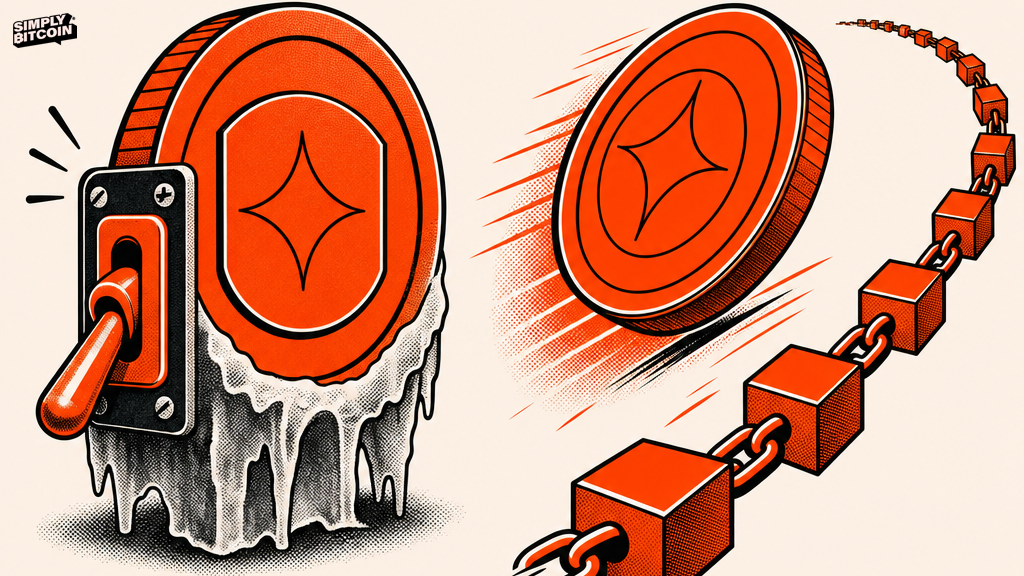
A stablecoin has an issuer, and an issuer has a switch. That switch does not know the difference between a thief's wallet and yours.
That is the part worth sitting with. The same freeze authority that clawed back three billion dollars from a thief in hours is a permission layer sitting on top of every dollar of that asset, not just the stolen portion. It worked beautifully this time because it was pointed at a thief. It works exactly the same way if it is ever pointed somewhere else. Meanwhile, the Bitcoin that moved in the same heist answered to no issuer at all. Nobody could freeze it, not because nobody wanted to, but because there was no switch to find.
WHY A VERDICT WAS EVER NECESSARY
Resolution, when it came, still had to run through the company that lost the money. Binance says it has restored backing for 90% of assets affected by its $6.3 billion hack and resumed phased withdrawals, saying it has resumed withdrawals of bitcoin and other cryptocurrencies following the record theft. Ninety percent restored is a genuinely strong recovery. It is also, by definition, a number that only the custodian could produce, on a schedule only the custodian controlled, for an account balance only the custodian's ledger could confirm.
That dependency is the actual story here, and it would be the story no matter which theory about the hack turned out to be true. A depositor at a custodial exchange does not own a balance. They own a claim on a balance, and the claim is only as good as the report that validates it. Whether that report follows an external hack or an internal failure, the depositor's position is identical: wait, watch the forensics, and trust the number when it finally arrives.
OWNERSHIP THAT DOESN'T WAIT FOR A VERDICT
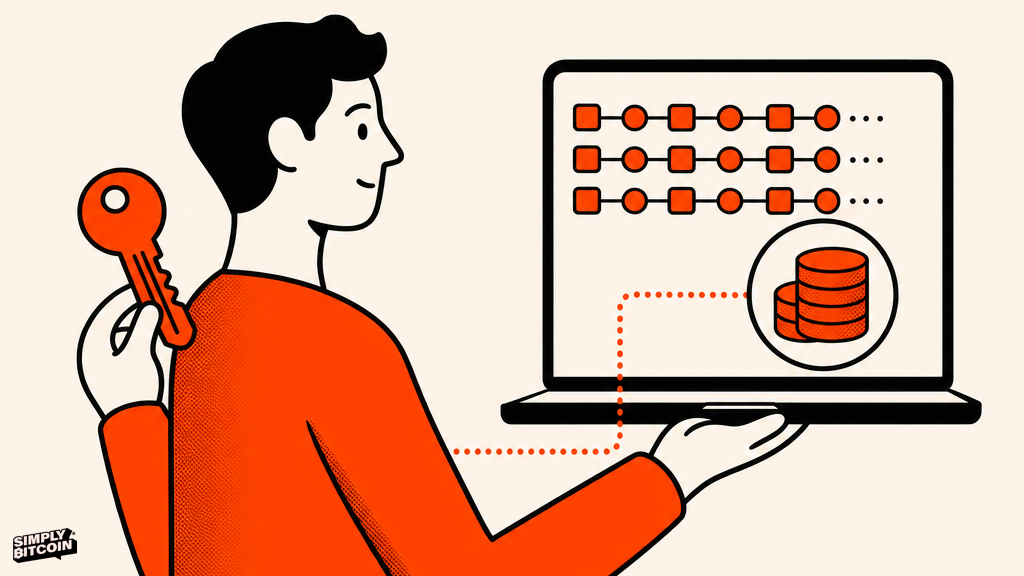
Self-custody removes the need for a verdict entirely. If the keys are yours, the question of whether your money is still there isn't adjudicated by a forensics firm, a federal agency, or a corporate statement. It's answered by checking a public ledger that doesn't care who you are or what story is trending.
Nobody had to ask whether an individual's own wallet survived the Binance hack. The question only exists where ownership is a claim instead of a fact. Six billion dollars moved because one signing system held every key for everyone at once. The fix was never going to be a faster forensics team. It was never needing the forensics team to answer a question about your own money in the first place.


Daily Bitcoin news, analysis and interviews. New shows every single day.
Subscribe on YouTube